
Most Common Car Insurance Discounts Available to Columbia Drivers

Shoppy Columbia SC Insurance
A diverse group of five professionals sit around a conference table, smiling and discussing documents in a bright, modern office setting.

Did you know? Columbia drivers routinely unlock more than five car insurance discounts on a single policy—far outpacing many other U. S. cities. This unique local trend often means bigger savings for South Carolina residents than the national average and reveals just how much your ZIP code and lifestyle could impact your insurance premium. In this guide, we’ll analyze the most common car insurance discounts available to Columbia drivers, revealing the local secrets behind lower car insurance rates and practical steps you can take to maximize your savings today.

Friendly insurance agent meeting with a diverse Columbia family in a bright, modern Columbia, SC insurance office discussing the most common car insurance discounts available to Columbia drivers.

Uncovering the Most Common Car Insurance Discounts Available to Columbia Drivers: Surprising Local Facts

When it comes to car insurance in Columbia, SC, drivers here benefit from a set of discounts shaped not just by insurance company programs but also by local factors—from storm risk to traffic flow near the University of South Carolina. Recent surveys and data from South Carolina insurers show Columbia residents on average secure more discounts per insurance policy than drivers in other metropolitan areas. This translates into measurable savings and a markedly lower cost of car insurance compared to other cities.

What makes Columbia unique is its blend of highly competitive local insurance companies, a dense population of students and retirees, frequent weather events, and regional regulations that all factor into robust discounting strategies. As a result, policyholders often identify opportunities for savings in categories like bundling, good student, and safe driver discounts—sometimes even stacking multiple offers. Understanding why these discounts exist, and how to qualify, is the first step toward reducing your insurance premium and taking control of your insurance costs in South Carolina.

Startling Data: Columbia Drivers Save More Than the National Average on Car Insurance

“A typical Columbia policyholder identifies more than five potential discounts per policy, far surpassing many U.S. metros,” notes industry analyst Maria Richards.

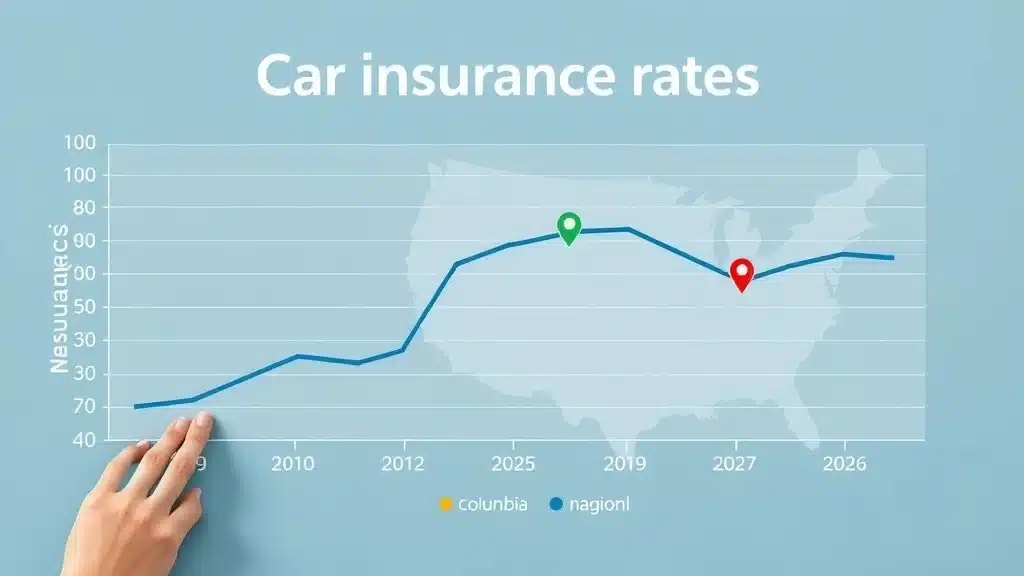
Columbia’s insurance market stands out because drivers here save, on average, 12–18% more on car insurance premiums compared to the national average. This is largely driven by the diversity of insurance companies operating in the area and the prevalence of categories like student and home-auto bundling discounts. Local agencies and national carriers both compete vigorously, tailoring their offerings based on ZIP code data, student presence, and weather exposures, and giving you more ways to cut your insurance costs than you might realize.

What You’ll Learn About the Most Common Car Insurance Discounts Available to Columbia Drivers

  • Which car insurance discounts are most widely offered by insurance companies in Columbia
  • How local factors in South Carolina affect auto insurance savings
  • How to qualify for the most valuable car insurance discounts in Columbia
  • Expert tips for maximizing your insurance premium reductions

Understanding Car Insurance in Columbia: How Local Drivers Benefit from Discounts

Aerial view of Columbia, South Carolina neighborhoods showcasing cars and homes, demonstrating how local factors affect the most common car insurance discounts available to Columbia drivers.

To fully understand the most common car insurance discounts available to Columbia drivers, it’s essential to consider the local ecosystem. Columbia’s insurance market is shaped by more than just driver behavior—it’s influenced by the city’s unique geography, population density, university presence, and weather patterns like hurricane risks and seasonal flooding. This means drivers in Columbia face a different set of pricing and discounting factors than those in other South Carolina cities, or across the nation.

For instance, South Carolina’s regulatory environment and city-specific risks make insurance companies highly competitive and creative with their insurance discount strategies. Whether it’s safe driving, low mileage due to increased remote work, or student-related perks, being aware of these local trends helps you unlock the right discounts for your unique situation. The right knowledge puts you in a better position to lower your car insurance rate—often significantly—by matching your lifestyle and vehicle profile to the most lucrative offers.

Factors That Influence Car Insurance Rates and Discounts in Columbia

  • ZIP code variances in insurance premium
  • Regional risk factors: weather, traffic congestion, and accident rates
  • How South Carolina insurance regulations shape discount strategies

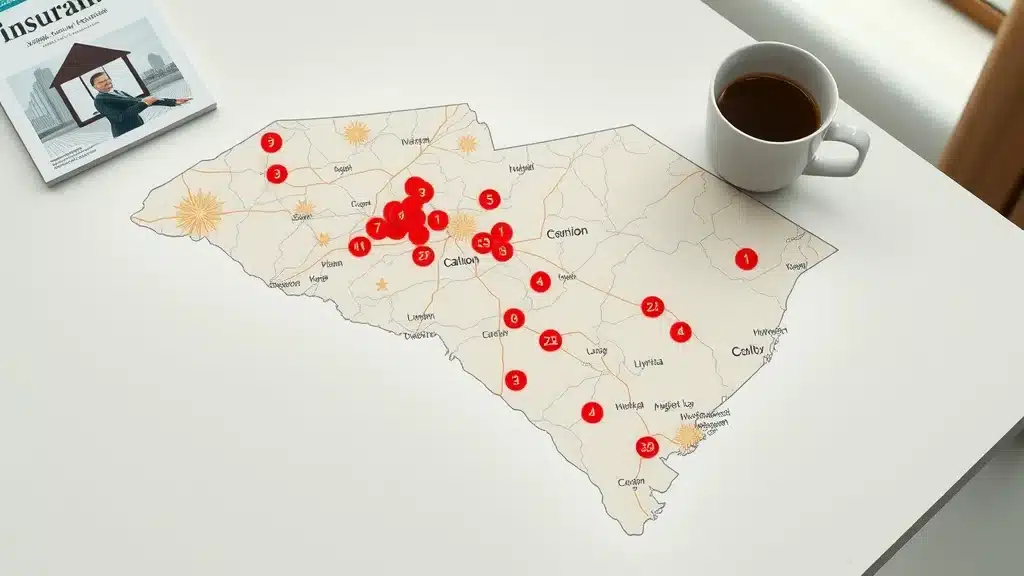
The cost of car insurance in Columbia varies widely, even from neighborhood to neighborhood, due to ZIP code-based risk assessments. For example, Southeast Columbia may see higher insurance rates due to accident frequency or storm risk, while quieter neighborhoods reap safer driver discounts due to fewer claims. Closely related are local regulations that incentivize insurance companies to offer unique bundles or compliance-based savings—think paperless billing, early sign-up, or anti-theft device incentives.

Local Insurance Companies and Discount Structures

  • Difference between national and local insurance companies in discount offerings
  • Why some insurance companies specialize in Columbia-specific discounts

Columbia’s insurance landscape spans both national brands and strong local or regional carriers. National insurance companies typically offer the full gamut of standardized discounts—safe driver, multi-policy, good student—while local insurers often add ZIP code-specific or occupation-based incentives. Some Columbia-based agencies even design custom offers for USC students, retirees, or downtown employees, recognizing risks and opportunities unique to this market. This competition is a win for local drivers, fueling generous insurance rate reductions and the opportunity to tailor a cost-effective insurance policy to your profile.

Modern insurance agency building in downtown Columbia, SC with clear signage, illustrating where many drivers seek the most common car insurance discounts in Columbia.

Types of Car Insurance Discounts in Columbia: The Most Common Categories

Whether you’re a student, a family with multiple cars, or a commuter with a squeaky-clean record, there are several car insurance discount categories nearly every Columbia driver should know:

Safe Driver Discount: Lower Car Insurance Premiums for Accident-Free Records

“Insurers typically reward Columbia drivers with spotless records through safe driving discounts, which can slash the average cost by up to 20%.”

If you have a history of good driving with no at-fault accidents or recent violations, you’re in line for one of the largest insurance premium cuts. Columbia’s insurance companies track driver behavior closely through claims and public records, sometimes checking driving history every policy renewal cycle. Safe driver programs can result in 10-20% reductions and often stack with other car insurance discounts. Maintaining a clean record is therefore both the best long-term strategy and one of the most straightforward ways to reduce the cost of car insurance in Columbia, especially in the context of the city’s often congested traffic patterns and busy intersections—which makes this discount even more valuable for local drivers.

Confident Columbia driver buckling seatbelt in modern sedan, exemplifying the safe driver discount benefit in Columbia car insurance policies.

Multi-Policy and Bundling Discounts with Columbia’s Insurance Companies

  • Combining auto insurance and homeowners insurance for greater savings
  • Auto insurance advantages for renters in student-dense ZIP codes

In Columbia, bundling your auto insurance with homeowners, renters, or even life insurance under the same insurance company often results in substantial savings. This is particularly true for families or student households in areas close to the University of South Carolina where renters’ coverage is common. Insurance companies love multi-policy customers, offering discounts that can reach 15–25% off your total insurance premium. If you’re in a rental-heavy ZIP code or own a home in Shandon, Five Points, or Rosewood, it’s wise to request a quote for bundling policies—not only for the savings but for the simplicity of managing your insurance in one place.

Columbia couple reviewing insurance policy documents at home, demonstrating the savings from bundling policies with local insurance providers.

Good Student Discounts: Lower Insurance Rates for University of South Carolina Students

“Students maintaining at least a B average are among the biggest local beneficiaries in insurance cost reductions,” says local agent Derrick Lee.

This is a standout perk for the thousands of university students and families with teenagers in Columbia. Insurance providers view academic performance as a proxy for responsibility, so students maintaining a solid GPA can access significant insurance premium reductions. Many local insurance companies offer 10–20% off for students at the University of South Carolina or other local colleges. Parents and students should be proactive—submit transcripts or official grade reports to ensure you receive every eligible good student discount. In competitive South Carolina ZIP codes, these savings can translate to hundreds per year, easing the cost of living for families and new graduates alike.

Proud University of South Carolina student holding report card and car keys, showcasing the benefit of good student discounts on Columbia car insurance policies.

Low Mileage and Usage-Based Discounts: Urban Driving Patterns in Columbia

  • Telematics programs and app-based monitoring
  • Unique discounts for drivers who commute less due to remote work or USC campus living

Since the rise of remote work, more Columbia residents are driving fewer miles. Many insurance companies now offer discounts to drivers who log below-average miles annually—often under 7,500–10,000. Usage-based insurance (UBI) programs in Columbia use smartphone apps or telematics devices to track driving habits for further savings. Students living on or near campus, or professionals who primarily work from home, often qualify for reduced insurance costs—reflecting the lower risk associated with minimal travel. The advantage here is twofold: you save money, and you gain insight into your driving patterns, which can help maintain lower insurance rate eligibility year over year.

Vehicle Safety and Anti-Theft Feature Discounts

  • Impact of anti-theft devices on insurance rate
  • Full coverage vs. minimum coverage and related discounts

Modern cars equipped with safety features—like advanced airbags, lane-keep assist, or theft deterrents—can score meaningful policy discounts in Columbia. Insurance providers are quick to reward drivers who invest in accident prevention or theft reduction, especially since the city occasionally experiences surges in property crime. Documentation of anti-theft installation or proof of manufacturer safety packages can drop your insurance premium, whether you carry minimum coverage or full coverage. The choice between minimum and full coverage also influences which discounts you’re eligible for, with comprehensive policies often unlocking additional saving opportunities for drivers in higher-risk or urbanized areas.

Modern car interior in Columbia, SC showing advanced safety technology and anti-theft icons, related to car insurance discount eligibility.

Loyalty, Early Signing, and Paperless Billing Discounts Across South Carolina

  • Benefits and limitations of long-term relationships with insurance companies
  • Digital document savings and billing choices tailored to Columbia residents

Loyalty discounts reward customers for staying with the same insurance company for several years, while early signing deals encourage drivers to switch policies before their current one expires. In Columbia, paperless billing discounts are increasingly common, as they reduce administrative costs for insurers and appeal to eco-conscious drivers. These savings may seem minor in isolation but are easily stacked with larger discounts, providing incremental relief on your overall insurance costs. However, be mindful that the best deal isn’t always the one you currently hold; regular checkups with your insurance company every policy cycle will help ensure you’re still benefiting from the region’s most common and generous discounts.

Comparing Car Insurance in Columbia: How to Choose the Right Insurance Company & Discounts

Top Insurance Companies in Columbia for Car Insurance Discounts

Company Popular Discounts Eligibility Requirements Unique Local Perks
State Farm Safe driver, multi-policy, good student Clean record, bundled policies, B average for students USC student affinity; local agent network
GEICO Military/federal, telematics, paperless Military/federal position, usage tracking app enrollment Frequent Columbia military and university employee deals
Allstate Drivewise, new car, bundling Drivewise app, new model ownership, home/auto bundle Hyper-localized claims service, disaster prep resources
Local SC Mutuals Loyalty, early signing, educator discounts Policy tenure, early switch, school employee or retiree Custom rates for city workers and educators

Evaluating Bundled Discounts: Home, Auto, and Renters Insurance in South Carolina

  • Which combinations generate the most savings?
  • Complexity of cross-policy discounts for Columbia families or students
  • Insurance cost comparisons and bundled average cost tables

Bundling is one of the strongest ways to lower insurance premiums in Columbia, but the actual savings can depend on your household makeup, homeownership status, and insurer choice. For most, combining auto insurance with homeowners insurance brings the steepest discounts—given South Carolina’s high homeownership rates and storm-related risks, insurance companies reward bundled protection against both property and vehicle damage. Students and renters, especially in neighborhoods around USC, should look for insurer-specific policies that offer special rates for combining renters and auto. Always compare the average cost of individual versus bundled policies across multiple insurance companies to ensure you’re truly getting the lowest possible insurance cost for your unique circumstances.

Local insurance agent uses tablet to explain bundled home and auto discount programs to a young family in Columbia, SC.

Factors That Impact the Cost of Car Insurance in Columbia, SC

Columbia’s Car Insurance Rate Differential by ZIP Code: Traffic, Weather, and Risk

  • Downtown, Shandon, and Northeast Columbia insurance rates compared
  • How hurricane season and flooding risk are priced into car insurance rates

The car insurance rate you pay in Columbia is tightly linked to your ZIP code. Downtown ZIPs typically carry the highest premiums due to increased traffic, accident probability, and property crime. Suburban neighborhoods like Shandon and Northeast Columbia often get lower rates—but are still impacted by South Carolina’s volatile storm seasons. After major hurricanes, some insurance companies introduce temporary surcharges or adjust regional discounts, placing extra value on anti-theft or comprehensive coverage. Understanding these nuances will help you anticipate rate changes and negotiate the best possible auto insurance deal for your area.

How Vehicle Type and Driver Profile Affect Insurance Premium and Eligibility for Discounts

  • Minimum coverage vs. full coverage and discount impacts
  • Teen drivers, retirees, and their eligibility for specific discounts

Your choice of vehicle and your driver profile—age, experience, driving history—affect both your insurance premium and eligibility for discounts. Newer vehicles, especially those with safety features, qualify for more significant discounts, while teen drivers can tap into good student and safe driver programs. Retirees in Columbia, who often drive less, are prime candidates for low-mileage discounts. Consider whether you need minimum coverage for an older vehicle, or full coverage to protect a new investment; your decision not only determines your base rate, but also the suite of discounts you can access with your insurer.

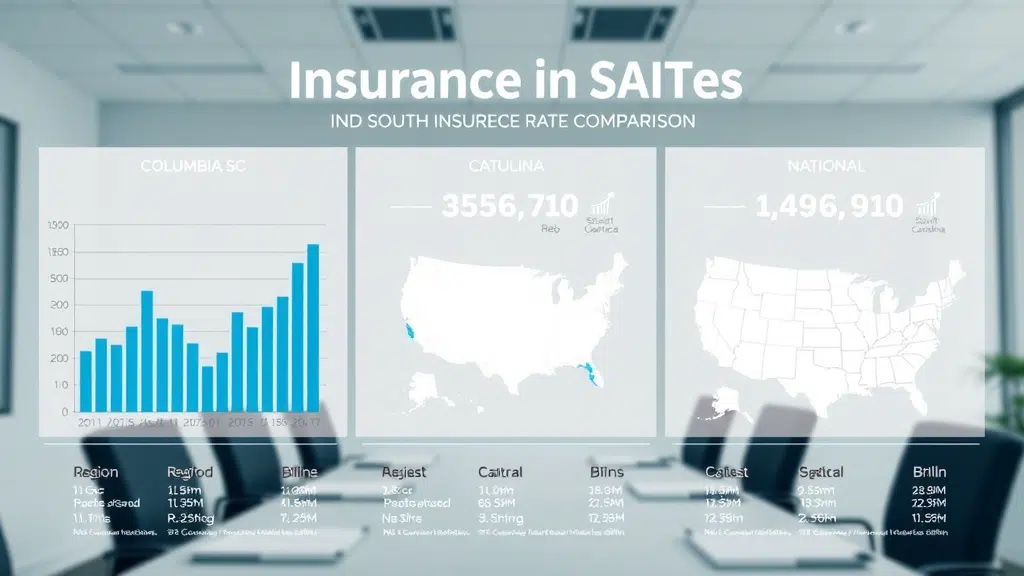
Average Cost of Car Insurance in Columbia Versus South Carolina and National Averages

Area Minimum Coverage (Annual) Full Coverage (Annual) Notes
Columbia, SC $580 $1,650 5–15% below national average, strong local discounts
South Carolina (State Avg.) $705 $1,845 Above Columbia average due to other high-risk cities
National Average $740 $1,900 Columbia drivers save up to $250/year on average

Maximizing Savings: How to Qualify for the Most Common Car Insurance Discounts Available to Columbia Drivers

Checklist: Steps to Take Before Shopping for Car Insurance in Columbia

  • Gather proof of safe driving, student transcripts, and vehicle safety documents
  • Compile prior insurance premium statements and compare insurance costs

Before seeking quotes from insurance companies, assemble documentation supporting your eligibility for the most common discounts: recent driving history, academic transcripts for students, and proof of any installed safety features. Review your last insurance policy’s declarations page to ensure you understand your current coverage and premium. Comparing at least three quotes—highlighting each discount you may qualify for—will deliver the most accurate snapshot of potential savings within Columbia’s car insurance market.

How to Negotiate Discounts with Insurance Companies and Agents

  • Best practices for requesting additional discounts or reviewing eligibility annually
  • Sample scripts and data-driven arguments to use with local insurers

Be proactive: ask agents to review your full list of possible discounts at every renewal or when changing your policy. Don’t hesitate to request a review of safe driver or bundling options even if you’ve never bundled before. If you’re a university student, campus employee, or local government worker, mention your affiliation as many local insurers support occupation-based deals. Keep data on recent claims, accident-free periods, and details about your annual mileage. Scripts such as, “Could you review additional student, usage-based, or loyalty discounts for my policy?” and “Can you compare my current rate with what’s available for newer Columbia drivers?” encourage agents to dig into the broadest menu of savings.

Local Columbia insurance agent and driver shaking hands in an office, securing new car insurance discounts for Columbia drivers.

Common Pitfalls: What Discounts Are Often Overlooked by Columbia Drivers?

  • Paperless, device-based, and loyalty perks underutilized in South Carolina
  • Discounts for military, federal, or university employees in Columbia

Many local drivers miss out on paperless billing or automatic payment discounts, even though these are simple to claim. South Carolina also sees underutilization of device-based monitoring programs (like Drivewise or SafeDrive) that can add up to 10% to your savings, especially for low-mileage and safe drivers. If you’re a military member, public school teacher, or university employee, always ask your insurance company about exclusive perks—these occupation-specific discounts sometimes aren’t advertised heavily but can provide superior value for Columbia residents.

Most Common Car Insurance Discounts Available to Columbia Drivers: People Also Ask

Which insurance company offers the most discounts?

Major insurers like State Farm, GEICO, and Allstate offer the broadest array of policy discounts in Columbia—including safe driver, bundling, good student, and telematics-based savings. Local South Carolina mutuals sometimes add ZIP code-specific or occupation-focused offers. Comparing at least three providers will help you see which insurance company matches your unique eligibility and coverage needs for the best overall premium.

What discounts can I ask for car insurance?

The most common discounts include safe driver, multi-policy bundling, good student, low mileage/usage-based, vehicle safety equipment, anti-theft protection, military, educator, loyalty, paperless billing, and early signing. Always ask your agent which apply to your situation and request documentation of any occupation or organizational affiliation that could further lower your insurance premium.

Is it better to have a $500 deductible or $1,000?

A lower deductible ($500) means higher monthly premiums but less out-of-pocket cost in the event of a claim; a higher deductible ($1,000) can significantly reduce your premium, but you’ll pay more if an accident occurs. Columbia drivers who rarely make claims and have safe driving records often opt for higher deductibles to maximize their premium discounts, but always weigh this against your financial ability to cover a sudden expense.

Is the safe driving discount worth it?

Yes—qualifying for a safe driving discount often results in the largest percentage reduction in your insurance costs. In Columbia, where traffic can be congested and accident risk is high in some ZIP codes, maintaining a clean record not only lowers your base premium but often unlocks stacking with other discounts. Consistent safe driving is one of the most effective ways to keep your insurance costs competitive over time.

Expert Tips and Key Takeaways: Most Common Car Insurance Discounts Available to Columbia Drivers

  • Bundling policies remains one of the highest-yield discounts in the Columbia market
  • Student and safe driver discounts are particularly impactful for younger and university-affiliated drivers
  • Columbia’s storm risk can affect eligibility or size of some premium deductions—ask for weather-related discounts
  • Don’t forget to revisit and renegotiate discounts regularly as your circumstances change

Frequently Asked Questions on Car Insurance in Columbia, SC

How do I find the best insurance company in Columbia for my needs?

Start by identifying your personal criteria: budget, desired coverage (minimum or full), service reputation, and preferred discount options. Compare quotes from national and local providers, inquire about all available discounts, and check insurer ratings for customer service and claims response. Local agents in Columbia often offer added insight on weather risks and community-specific programs.

Can I combine multiple discounts for maximum savings?

Yes. Most insurance companies in South Carolina allow discounts to stack—for example, you can get multi-policy, safe driver, good student, and paperless billing savings on a single policy. Always ask your agent to review your eligibility annually or when your life circumstances change (like a new job or move to a new ZIP code).

Are there exclusive discounts for military, teachers, or public employees in Columbia?

Yes. Many providers offer additional discounts for military, teachers, university, or public service employees in Columbia. These are sometimes not well publicized, so always mention your affiliation and request information about available occupation-based incentives during your quote comparison process.

Do all insurance companies offer the same car insurance discounts?

No. While most providers offer a core set of common discounts, local insurers and national carriers competing in Columbia frequently launch unique or more generous discounts tailored to the city’s climate, traffic, and community needs. Comparing multiple insurance companies is key to ensuring you’re capturing every eligible savings opportunity.

Final Thoughts: Making the Most of Car Insurance Discounts in Columbia

A Local Perspective on Future Trends in Columbia’s Car Insurance Discount Landscape

“As Columbia’s demographics and traffic patterns evolve, so too will the discount strategies of insurers—making it crucial for drivers to stay informed and proactive.”

Keep these trends in mind and revisit your policy regularly—every driver’s situation changes, and so do the available deals in Columbia’s dynamic insurance market.

Get Car Insurance In Columbia Nowhttps://insuranceshoppingexperts.com/columbia-sc-car-insurance/

An upbeat, quick-paced explainer featuring animated South Carolina drivers reviewing their insurance statements and interacting with local agents, highlighting key discounts with simple iconography, overlayed footage of Columbia neighborhoods, and quick expert interview snippets. The video closes with a call-to-action about comparing insurance company discounts.

Sources

Columbia drivers can access a variety of car insurance discounts tailored to their unique circumstances. One notable opportunity is the Defensive Driving Course Discount. By completing a state-approved defensive driving course, drivers can receive a 10% discount on liability and collision coverage, with the savings lasting for three years. This course, which takes about 5. 5 hours and can be completed online, offers substantial savings over time. (1800insurance. com) Another significant discount is the Multi-Policy Bundling Discount. By combining auto insurance with homeowners or renters insurance under the same provider, policyholders can save between 15% to 25% on both policies. This not only reduces costs but also simplifies policy management. (1800insurance. com) For students, the Good Student Discount is particularly beneficial. Maintaining at least a B average can lead to substantial reductions in insurance premiums, as insurers view academic performance as an indicator of responsibility. (everquote. com) Additionally, the Low Mileage Discount rewards drivers who log fewer miles annually, often under 7,500–10,000 miles. With the rise of remote work, many Columbia residents qualify for this discount, reflecting the lower risk associated with minimal travel. (everquote. com) By understanding and leveraging these discounts, Columbia drivers can significantly reduce their car insurance premiums.
What Does Full Coverage Car Insurance Really Cover in Columbia SC?

Shoppy Columbia SC Insurance
A smiling man and two women stand outdoors near a car, holding papers and notebooks, with houses and trees in the background on a sunny day.

More than 40% of Columbia drivers mistakenly believe their ‘full coverage’ car insurance protects them from every possible scenario – but is that really true? This misconception can have costly consequences, especially in a city shaped by local traffic patterns, unpredictable weather, and South Carolina’s specific insurance laws. If you drive in Columbia, understanding what full coverage car insurance truly provides—and what it leaves out—is essential for protecting yourself, your vehicle, and your finances. In this comprehensive guide, we break down everything you need to know about full coverage car insurance in Columbia, SC, using local insights, real-life scenarios, and clear explanations tailored for Midlands drivers.

A Surprising Look at Full Coverage Car Insurance in Columbia SC

“More than 40% of Columbia drivers mistakenly believe their ‘full coverage’ car insurance protects them from every possible scenario – but is that really true?”

Local South Carolina family curious about car insurance coverage, standing by their car in a lush Columbia driveway

Full coverage car insurance is often assumed to be an all-encompassing safety net, but in reality, its protections have defined limits—especially in Columbia, SC. The term “full coverage” itself can be misleading and varies between insurance companies. While it typically bundles several types of coverage into a comprehensive package, it may not cover all risks that drivers in Columbia actually face.

Local factors such as severe weather events, rapidly growing traffic (especially around interstates like I-26 and I-20), and above-average vehicle theft rates further complicate the picture. Many drivers are surprised when they learn what their policy actually excludes and how much premiums can change based on where they live in the city, their driving record, or even their proximity to the University of South Carolina. To navigate these variables, it’s crucial for Columbia drivers to move beyond assumptions and get familiar with what their auto insurance coverage does—and doesn’t—include.

Why Understanding Full Coverage Car Insurance Is Essential for Columbia Drivers

  • Local weather risks: hurricanes & hail
  • Increasing traffic: I-26, I-20, student drivers
  • Insurance and vehicle theft rates in Columbia

If you live or drive in Columbia, your full coverage car insurance decisions are affected by unique local factors. Weather risks like hurricanes, hail, and flash flooding regularly boost claims, making comprehensive coverage especially relevant. Columbia’s traffic—from congested interstates to student-heavy neighborhoods—heightens the risk of collisions, particularly with new or inexperienced drivers. Meanwhile, area vehicle theft and vandalism rates are among the state’s highest, meaning your location and ZIP code can have a direct effect on both coverage needs and policy costs. Understanding these Columbia-specific trends lets drivers choose coverage car insurance options that truly fit their daily realities, not just generic insurance company offerings.

What You’ll Learn about Full Coverage Car Insurance in Columbia SC

  • Comprehensive breakdown of full coverage car insurance components
  • What is and isn’t included in a standard policy
  • Key differences for South Carolina drivers
  • How local factors affect your coverage and costs

This guide walks you through the real definition of full coverage car insurance in Columbia, SC, explains South Carolina’s legal requirements, and highlights how weather, traffic, and theft risks can influence both the scope and price of your policy. By the end, you’ll know exactly what questions to ask before you buy—and how to make sure you’re not left exposed after a claim.

Defining Full Coverage Car Insurance: What Does ‘Full Coverage’ Really Mean in South Carolina?

The phrase “full coverage car insurance” is a catch-all term rather than a specific insurance product. In South Carolina, and particularly in Columbia, it generally refers to an insurance package that goes beyond the minimum state requirements by bundling several types of coverage into one policy. However, each insurer may define the bundle differently, and state law does not regulate the term. Understanding what’s actually included—and what’s not—is key to protecting yourself from unexpected expenses and gaps in your insurance coverage.

Full Coverage vs. Minimum State Requirements for Car Insurance

“Full coverage car insurance is not a standardized product but a combo of protections designed to go beyond legal minimums.”

In South Carolina, the law requires only liability insurance (for bodily injury and property damage) and uninsured motorist coverage. This state-minimum policy covers damages you cause to others but not damage to your own car. Full coverage, on the other hand, typically includes collision coverage (for your own vehicle in an accident) and comprehensive coverage (for non-collision incidents like theft or hail damage), in addition to the basic requirements. This difference is especially crucial in Columbia, where local incidents like major storm events and student driver fender-benders are common. However, even full coverage car insurance has exclusions that drivers should note—otherwise, you could face unexpected costs after an accident or storm.

Key Elements of Full Coverage Car Insurance

  • Liability coverage (bodily injury and property damage)
  • Comprehensive coverage
  • Collision coverage
  • Uninsured/underinsured motorist protection
  • Personal injury protection

A typical full coverage car insurance policy in Columbia will include:

  • Liability coverage: Covers bodily injuries and property damage you cause to others in an accident.
  • Comprehensive coverage: Pays for non-collision events like theft, vandalism, falling objects, and storms (critical in Columbia’s unpredictable weather).
  • Collision coverage: Pays for damage to your car from crashes, regardless of fault—important with busy local traffic and high rates of fender-benders.
  • Uninsured/underinsured motorist coverage: Protects you when the other driver has no coverage (a common challenge near university neighborhoods or busy Assembly Street).
  • Personal injury protection (PIP) or Medical Payments (MedPay): Helps pay for your own medical costs after an accident, regardless of fault—valuable with Columbia’s growing accident rates.

Insurance agent working with Columbia couple to review full coverage car insurance policy details in local office

South Carolina Requirements: Columbia’s Specific Car Insurance Laws and How They Affect Full Coverage

South Carolina law sets strict minimum insurance coverage for all drivers, but going beyond these minimums is highly recommended in urban areas like Columbia due to higher risks. Understanding both what’s legally required and how local factors play in helps you avoid expensive gaps in your coverage car insurance policy. Furthermore, insurance rates and policy options can change dramatically based on your ZIP code, claims history, and exposure to city-specific risks like flooding or heavy student activity.

Mandatory Coverage Insurance Under South Carolina Law

South Carolina requires all drivers to carry:

  • Bodily injury liability: $25,000 per person / $50,000 per accident
  • Property damage liability: $25,000 per accident
  • Uninsured motorist coverage: Same minimums as above

This baseline insurance covers damage and injuries you cause to others—not your own costs in an accident, theft, or weather incident. Anything beyond this—collision, comprehensive, PIP—counts as part of “full coverage. ” Many Columbia drivers add these for extra protection from local risks (student drivers, dense traffic on US-1, frequent hailstorms, and more).

How Columbia’s Unique Risk Profile Impacts Full Coverage Rates

  • Regional traffic patterns (USC, Vista, Five Points)
  • ZIP code rating: Forest Acres, Irmo, North Columbia
  • Weather events: hail, flooding, hurricanes

Insurers evaluate Columbia’s unique risk factors when setting your premium—and in some neighborhoods, rates can spike due to:

  • High traffic density—major roads and busy intersections see more frequent accidents, especially near the University of South Carolina, the Vista, and Five Points.
  • ZIP code risk—places like Forest Acres or Irmo may see higher rates due to theft or accident frequency, compared to North Columbia suburbs.
  • Weather risks—hail, flooding, and even hurricanes mean comprehensive and collision coverage can be crucial for your financial protection.

These local risks make it vital to tailor your auto insurance coverage to actual risks—not just state legal baselines.

What Is Included in Full Coverage Car Insurance in Columbia SC?

So, what does full coverage car insurance really cover in Columbia SC? Here’s a detailed breakdown of each major protection included in a standard full coverage package offered by most insurance companies in the city:

Collision Coverage in Full Coverage Car Insurance

Columbia driver relieved after minor collision, inspecting car bumper in local parking lot with police lights in background

Collision coverage pays for damage to your own vehicle after a crash, whether you’re at fault or not. In Columbia’s busy shopping centers or crowded campuses, fender-benders and accidents in parking lots are common. Even with a clean driving record, collision insurance shields you from paying thousands out of pocket if your car is damaged by another driver, a stationary object, or even a non-vehicular incident, such as a rollover. However, you’ll need to pay a deductible—typically $500 or $1,000—before your coverage kicks in.

This coverage is especially important for newer vehicles, those under lease or loan, or anyone who can’t easily afford major repairs. While South Carolina law does not require collision coverage, most lenders mandate it for financed vehicles. In Columbia’s unpredictable traffic conditions, having this protection as part of your coverage car insurance is a wise move.

Comprehensive Coverage and Non-Collision Damage

Comprehensive coverage takes over where collision leaves off, providing payment for damages caused by events other than crashes. This includes theft, vandalism, fire, falling trees or branches (a real threat in Columbia’s stormy summer months), hail, flooding, and even hitting an animal on rural stretches just outside city limits. Similar to collision coverage, comprehensive requires a deductible before payments start.

With Columbia’s elevated risk of hailstorms and the occasional hurricane, many drivers have seen firsthand how valuable this element of full coverage car insurance can be. Without it, damage from severe storms or even a stolen car would fall entirely on the vehicle owner. In neighborhoods with higher property crime statistics, like parts of Forest Acres or Rosewood, comprehensive coverage is almost essential.

Liability Coverage in Full Coverage Policies

Liability coverage is required by state law but is still a major component of any full coverage policy. It pays for bodily injury and property damage you cause to others if you’re found at fault in a wreck. In practice, liability coverage helps pay for the other driver’s medical bills, repairs, legal costs, and sometimes even lost wages. Because Columbia’s dense urban layout and mix of local and student drivers mean higher accident risks, opting for coverage limits above the state minimum is recommended to better protect your financial assets.

If you cause a multi-car pileup on I-20 or accidentally injure a cyclist near Five Points, your liability insurance covers their losses, up to the limits in your policy. However, if costs exceed those limits, you could be personally liable—another reason to discuss optimal coverage levels with a local insurance agent familiar with Columbia’s trends.

Uninsured and Underinsured Motorist Coverage

Uninsured and underinsured motorist coverage steps in when another driver either has no insurance or not enough to cover all the damages from an accident they cause. With thousands of uninsured vehicles reported in Richland County annually, this component of full coverage car insurance is more valuable than many realize—especially in neighborhoods around Assembly Street and near USC where drivers may lack adequate protection.

If you’re hit by an uninsured driver, or a motorist whose policy isn’t sufficient to pay for your injuries and car repairs, this coverage pays for your expenses (up to your policy limits). South Carolina law requires a minimum amount of uninsured motorist coverage, but higher limits are advisable given the number of underinsured drivers in Columbia’s busy traffic corridors.

Comparison of Full Coverage Car Insurance Components in South Carolina
Coverage Type What It Covers Deductible? SC Legal Requirement?
Liability (bodily injury/property damage) Others’ injuries and property damage in accidents you cause No Yes
Uninsured/Underinsured Motorist Your costs if hit by a driver with no/insufficient insurance No Yes (minimums)
Collision Coverage Your car’s repairs after any collision (even if you’re at fault) Yes No
Comprehensive Coverage Non-collision losses: theft, vandalism, hail, flood, animals Yes No
Personal Injury Protection (PIP)/MedPay Your medical expenses after an accident No No

What Is NOT Included in Full Coverage Car Insurance in Columbia SC?

Despite its name, full coverage car insurance does not mean absolute or unlimited protection. Every policy has exclusions—and understanding these is critical in Columbia, where local drivers face unique claims situations.

Common Exclusions: What Full Coverage Car Insurance Doesn’t Cover

  • Mechanical breakdowns
  • Normal wear and tear
  • Personal property in the vehicle
  • Driving for rideshare without extra endorsement

Some of the most common surprises for Columbia drivers are:

  • Mechanical breakdowns and regular wear and tear (engine trouble, brake issues, etc.) are almost never covered—separate warranties or mechanical breakdown insurance is required.
  • Personal property inside your vehicle (like laptops or sports equipment) isn’t protected by auto insurance, but by homeowners or renters insurance.
  • Rideshare activities (Uber, Lyft) are generally excluded unless you buy a rideshare endorsement. If you’re using your car for commercial purposes without the proper add-on, your claim may be denied.

Frustrated Columbia driver searching under seats for missing personal property not covered by full coverage car insurance

Before buying full coverage car insurance, Columbia drivers should ask their insurance agent to clarify exactly what’s excluded, as policy exceptions can differ by insurance company and by individual plan.

How to Supplement Your Full Coverage Car Insurance for Greater Protection

To fill the gaps in your full coverage policy, consider:

  • Mechanical breakdown insurance for repairs beyond accident-related damage.
  • Homeowners or renters insurance to cover personal items stolen from your car.
  • Rideshare endorsements if you drive for Uber, Lyft, or similar companies.
  • Gap insurance if you’re financing or leasing—a key way to pay the “gap” between your loan balance and your car’s actual cash value after a total loss.

Supplemental insurance options are often affordable and can be crucial for Columbia drivers with higher risks due to local commuting patterns, severe weather, or frequent use of their vehicle for work.

What Is Considered Full Coverage Car Insurance in South Carolina? [PAA]

Complete Answer Based on State Law and Local Practice

In South Carolina, “full coverage car insurance” is not defined by law, but by typical industry standards. It usually means a combination of state-required liability and uninsured motorist coverage, augmented with collision and comprehensive protection, and, optionally, personal injury coverage. In Columbia, most drivers consider full coverage to include higher-than-minimum liability limits, robust protection against weather and theft, and sufficient collision coverage to repair or replace their car after accidents. Additional endorsements, like roadside assistance or MedPay, may be bundled on request.

Remember, what’s “full” can differ between insurance companies. Always verify precisely what your policy includes and which add-ons make sense for your Columbia commute and residence.

What Full Coverage Doesn’t Cover? [PAA]

Answer with Local Examples and Exclusion Scenarios

Full coverage won’t pay for mechanical breakdowns, tire blowouts, or routine maintenance—even during a heat wave or icy snap typical in Columbia. Personal possessions stolen from your vehicle during a downtown festival are not covered by your auto insurance, and accidents while you’re driving for Uber without a rideshare endorsement are excluded. If you try to make a claim for flood damage after parking on a city street during a hurricane—but skipped comprehensive coverage—that loss won’t be paid. Always check your policy limits and ask for written clarification from your insurance agent.

What Does Full Cover Insurance Include? [PAA]

List Everything Included in Columbia’s Typical Full Coverage Policies

Full coverage policies in Columbia SC usually incorporate:

  • Liability insurance (bodily injury and property damage)
  • Comprehensive insurance (theft, hail, fire, vandalism, falling objects)
  • Collision insurance (accidents, single-car crashes, rollovers)
  • Uninsured/underinsured motorist protection (hit-and-runs, insufficiently insured drivers)
  • Personal injury protection or MedPay (your and your passengers’ medical bills)
  • Optional extras (rental reimbursement, roadside assistance, gap insurance—if selected)

Columbia drivers should review their plan’s limits annually, especially after severe weather events or car value changes, to ensure ongoing adequate protection.

What Is All Covered in Full Coverage Car Insurance? [PAA]

Explicit Breakdown by Category: Liability, Collision, Comprehensive, etc.

Infographic with icons for liability, collision, comprehensive, and uninsured motorist car insurance components over subtle Columbia skyline

Here’s a full breakdown of what’s included in most Columbia full coverage car insurance policies:

  • Liability coverage: Pays for bodily injuries and property damage you cause
  • Collision coverage: Pays for damage to your car after an accident—regardless of who’s at fault
  • Comprehensive coverage: Pays for non-crash events (theft, vandalism, weather, animals)
  • Uninsured/underinsured motorist coverage: Pays when you’re hit by a driver with no or insufficient insurance
  • Personal injury/MedPay: Pays your medical expenses after a crash
  • Optional protections: Rental reimbursement, towing, gap coverage for leased/financed cars

Each of these covers a distinct risk, but none covers every situation—so policyholders should supplement as needed for their Columbia lifestyle and risks.

Local Factors That Affect the Cost and Scope of Full Coverage Car Insurance in Columbia SC

The cost and detail of your full coverage car insurance will vary significantly in Columbia depending on local factors that are often overlooked in most insurance guides. Insurers use local data to calculate risk and premiums, which is why two cars on the same block may see dramatically different bills—even when coverage seems identical on paper.

How ZIP Code, Weather, and Traffic Influence Your Premium

Your ZIP code matters: Neighborhoods in Forest Acres or downtown may have higher rates due to theft or accident rates, while more suburban areas could pay less. Weather events, such as hail and flash floods, can increase the cost of comprehensive coverage, particularly after major storm claims in the region. Traffic patterns near busy shopping corridors and university lots raise accident frequency, making collision insurance a bigger part of full coverage premiums. Even the type of car you drive—sports car, sedan, or pickup—will influence your rate.

Sample Premium Differences by Columbia ZIP Code and Vehicle Type
ZIP Code Vehicle Type Average Annual Full Coverage Premium Typical Claims Frequency
29201 (Downtown, USC) 2019 sedan $2,150 High (student claims, theft)
29206 (Forest Acres) 2020 SUV $1,900 Moderate (hail, storm)
29063 (Irmo) 2018 pickup $1,700 Low (suburban, some flooding)
29203 (North Columbia) 2016 compact $1,850 Medium (accidents, moderate theft)

Downtown Columbia SC street with traffic, showcasing range of vehicles and cityscape under afternoon sun

Reviewing your premium annually—especially after a change in address—can help you avoid surprises and ensure you’re only paying for the coverage you need based on your specific risks in Columbia, SC.

Tips to Get the Best Value from Full Coverage Car Insurance in Columbia SC

  • Discounts for USC students and safe drivers
  • Bundling options: home and auto
  • Shopping around versus loyalty discounts
  • Annual review of your insurance coverage needs

Shop around: Rates in Columbia can differ widely even among major insurers, so comparing several quotes is wise. Look for local discounts, such as those for USC students, multi-car families, or safe driving records. Bundle policies—combining home and auto can yield significant savings. Don’t forget to review your needs annually, as car values, local risks, and available discounts change over time.

Real Claims Stories: How Full Coverage Car Insurance Responded to Actual Incidents in Columbia SC

“When the 2018 hailstorm hit, residents of Forest Acres saw firsthand the difference between state minimum and true full coverage car insurance.”

  • Severe storms and total loss
  • Student driver accidents
  • Uninsured motorists on Assembly Street

After a devastating hailstorm in Forest Acres, drivers with only basic liability coverage faced repair bills in the thousands—while those with comprehensive car insurance were able to quickly settle claims and get back on the road. In other local cases, student drivers around Five Points were shielded from years of financial hardship by full coverage policies after causing multi-car fender-benders. And when uninsured motorists caused wrecks on Assembly Street, victims with uninsured motorist coverage received vital compensation—even when at-fault drivers disappeared before police arrived.

FAQs about Full Coverage Car Insurance in Columbia SC

  • Do lenders require full coverage car insurance on financed vehicles in Columbia?
    Yes, if your car is financed, lenders almost always mandate comprehensive and collision coverage until your loan is paid off, regardless of what state minimums require.
  • Is gap insurance part of full coverage?
    No, gap insurance is an optional add-on designed to pay the difference between your car’s loan value and actual cash value if totaled. It’s wise for newer cars or high-rate loans.
  • How can I lower my full coverage premium in South Carolina?
    Raise your deductibles, maintain a clean driving record, bundle policies where possible, and regularly shop quotes from multiple insurers to secure the best value.
  • What should USC students know about car insurance coverage?
    Student drivers often face higher premiums due to inexperience and accident rates. Seek student and good-grade discounts, and consider higher liability limits living in dense city neighborhoods.

Key Takeaways: Full Coverage Car Insurance Deep Dive for Columbia Drivers

  • Full coverage car insurance is a customizable package, not a set policy
  • Review what is and isn’t covered before buying
  • Local factors in Columbia affect rates and risks
  • Supplement full coverage as needed for personal circumstances

Get Car Insurance In Columbia Now

Compare Local Full Coverage Car Insurance Quotes and Make Informed Decisions

Ready to see how your options stack up? Compare local full coverage car insurance quotes for Columbia SC here and make sure your next policy actually covers all your real-world risks.

Sources

Understanding the specifics of full coverage car insurance in Columbia, SC, is crucial for ensuring comprehensive protection. The South Carolina Department of Insurance provides a detailed overview of automobile insurance requirements and options in the state. (doi. sc. gov) Additionally, GEICO offers insights into auto insurance coverages available to Columbia drivers, including liability, collision, and comprehensive options. (geico. com) These resources can help you navigate the complexities of car insurance and make informed decisions tailored to your needs.

How to Switch Car Insurance Companies in Columbia SC (Step-by-Step Guide)

Shoppy Columbia SC Insurance
Several cars drive down a suburban street lined with trees and houses in the daytime, under a partly cloudy sky. The scene looks calm and residential, with well-maintained lawns and sidewalks.

Did you know nearly 35% of drivers in Columbia, SC could be saving money by switching car insurance companies, but most miss out due to common misconceptions? For local drivers—from Five Points to Forest Acres—fine-tuning your auto insurance not only means potential savings but also better coverage tailored to our city’s unique traffic, storm, and student living landscape. This comprehensive guide breaks down exactly how to switch car insurance companies in Columbia SC, local considerations you can’t ignore, and how to make the transition without fear of lost coverage or costly mistakes.

A Surprising Fact About Car Insurance Switching in Columbia, SC

“Did you know? According to the South Carolina Department of Insurance, nearly 35% of Columbia drivers could save by switching car insurance companies—but most never do due to common misconceptions.”

What You’ll Learn: Navigating Car Insurance Changes in Columbia

  • The precise steps involved in how to switch car insurance companies in Columbia SC
  • Key factors that impact car insurance rates locally
  • Tips to avoid a lapse in coverage during your switch
  • Local considerations: traffic patterns, storm risks, and student populations
  • Frequently overlooked documentation and deadlines

how to switch car insurance companies in columbia sc - suburban street scene with relaxed drivers and modern vehicles, Columbia, SC

Understanding Your Current Car Insurance Policy in Columbia

Assessing Your Current Policy Terms and Insurance Cover Needs

Before you switch car insurance, start by reviewing your current policy documents in detail. Understanding what you’re currently paying for—your deductible, liability limits, and included extras—will help you determine whether your insurance cover matches your actual needs. Columbia residents may find that their current policy includes coverage tailored for high storm risk or specific liability minimums set by South Carolina law.

Take inventory of all vehicles and drivers listed, note any recent changes in your household or employment (such as a family member now attending the University of South Carolina), and pay special attention to your current insurer’s renewal and cancellation rules, including any possible cancellation fee. This evaluation forms your baseline for comparing offers and ensures you identify where you could potentially save or require more robust coverage options.

car insurance policy review in Columbia SC - person reviewing paperwork in a home office

Evaluating Existing Coverage Options and Car Insurance Rate in Columbia

Once you understand your current insurance terms, compare the types of coverage you hold—liability, collision, comprehensive, uninsured motorist protection, and more—against your driving habits and local risk factors. In Columbia, storm seasons and college neighborhoods can influence both your need for higher coverage and your car insurance rate. Examine whether your insurance rate has increased year over year, and compare the car insurance premium you pay to advertised rates from other insurance providers in the area.

It’s also smart to check if your current car insurance policy bundles other coverages, such as renters or homeowners insurance, which can affect your overall insurance cost and eligibility for discounts when you switch. Ensure you have recent premium payment receipts and claim histories, as new car insurance providers may request this info during the quoting process.

Recognizing Local Factors Impacting Your Insurance Premium

Columbia drivers face region-specific pricing factors. Insurers may adjust your rates based on your home ZIP code—living closer to downtown or near the USC campus often leads to higher rates due to denser traffic and elevated theft or accident risks. During storm season, insurers monitor claim trends and may adjust prices accordingly or restrict certain types of coverage.

  • High-traffic ZIP codes (like 29201, 29205, or 29203)
  • Seasonal storm risks and flood-prone neighborhoods
  • Dense student housing near the University of South Carolina

All these factors directly impact what you’ll pay for auto insurance. Knowing these local risks helps you better scrutinize any new policy offers and ensure your coverage option is suitable for real-world driving conditions in Columbia.

Columbia SC intersection with traffic, drivers, and university area - insurance rate factors

Why Switch Car Insurance Companies? The Columbia, SC Perspective

Potential Savings from Switching Car Insurance Companies—Factoring in Local Insurance Rate Trends

With significant competition among car insurance companies in Columbia, switching providers isn’t just about price—although local rate trends matter. Over the past five years, Columbia has seen average car insurance rates fluctuate as insurers respond to increases in storm claims, changes in state minimum requirements, and shifting student demographics. By comparing offers annually, you may secure a lower premium without sacrificing important protections.

Many locals remain with their original insurer more out of habit than out of value, despite new providers often offering welcome discounts, multi-policy savings, or perks tailored to local drivers. Even a modest reduction in car insurance rate can add up in a city where costs are creeping up, especially for younger drivers or those with a spotty driving record.

optimistic couple in Columbia researching car insurance rates - lower premium and switch car insurance benefits

Changes in Coverage Needs: Life Events and Local Risks

Major life events—graduating, moving to a new ZIP code, buying a new car, getting married, or sending a child off to college—may alter your required insurance cover in ways your current insurer can’t address efficiently. Storm patterns in Columbia or rising accident rates in student-heavy neighborhoods may also increase your risk exposure, making it wise to review and possibly upgrade your plan.

“USC students and city commuters often experience rate shifts with insurance companies—annual reviews can help you save.”

If your coverage option hasn’t changed in a few years, chances are it could use updating. Local agents often recommend annual reviews for anyone whose car use, garage location, or household drivers shift, as these factors strongly influence the accuracy of your premium.

When Switching Car Insurance Can Improve Customer Service Experience

You’re not just buying coverage—you need responsive, local service. If your previous experience with claims or billing has been less than stellar, it may be time to compare new auto insurance providers that specialize in fast response times, digital claims platforms, and robust customer support. Columbia locals often cite better satisfaction with smaller, region-specific insurers that provide personalized service—especially after a storm or accident.

In an area known for pop-up storms and seasonal risks, a quick-acting car insurance provider can be the difference between a minor inconvenience and significant loss. Don’t underestimate the peace of mind that comes from being able to reach a live agent who knows your area and can advise on local best practices.

Step 1: Compare Car Insurance Companies in Columbia, SC

Researching Top-Rated Insurance Providers and Insurance Policy Options

Begin your transition by identifying reputable car insurance companies serving Columbia. Review consumer satisfaction scores from J. D. Power or the South Carolina Department of Insurance, scan for positive local reviews, and check each insurance provider’s financial stability and complaint record. Local agents often offer helpful insights into which companies are best at handling regional issues—such as quick claim responses during flood season or flexible policies for student-heavy ZIP codes.

When requesting quotes, ensure you compare similar insurance policy types: minimum liability, full coverage, and extras like gap insurance or roadside assistance. Top insurers in Columbia often highlight custom options for multi-car households, student drivers, or bundled home and auto insurance. Always ask whether local discounts are available for safe driving, good grades, or vehicle security features.

auto insurance provider consultation - Columbia, SC agent with client

What to Look for in Auto Insurance Providers: Coverage Options & Financial Stability

A smart insurance shopper in Columbia considers not only price but also the range of coverage options, local claim support, and long-term stability of each insurance company. Review whether the company has robust digital services, offers roadside assistance relevant for storm-prone areas, or provides dedicated agents familiar with South Carolina insurance law. Financial strength ratings (from A. M. Best, for instance) can reveal whether a company can handle large-scale local claims after severe weather.

Policies should be easily customizable, letting you increase liability coverage or add uninsured/underinsured motorist protection if local accident rates spike. Customer service ratings—and the accessibility of local offices—should heavily factor into your decision, as service responsiveness in the event of an accident or claim is essential.

Comparison of Popular Car Insurance Companies in Columbia, SC
Insurance Provider Average Annual Rate Customer Satisfaction Special Features
State Farm $1,370 Excellent Multi-policy discounts, strong local agent network
GEICO $1,240 Very Good Good for students, digital claims
Progressive $1,420 Good Flexible add-ons, easy online management
Allstate $1,510 Good Safe driving discounts, bundling

Step 2: Get and Compare Car Insurance Quotes

Understanding the Variables: Insurance Rate Calculation & Credit Score

Your car insurance rate in Columbia depends on a mix of factors, including your driving record, vehicle type, claim history, and even your credit score. South Carolina law allows insurers to factor credit information into their rate calculations, and many providers consider this when offering discounts or determining eligibility for preferred rates. Always check your credit score before shopping for quotes, as even small changes can impact your offered premium.

To get an accurate quote, you’ll need your vehicle identification number (VIN), driver’s license, current policy declarations page, and proof of address. Be sure all information matches your most recent details, as inaccuracies or omitted data can skew quotes. In the local context, some insurers will adjust rates depending on whether you’re a student, live in a high-traffic ZIP code, or park your car off-street.

Columbia SC coffee shop comparison - diverse group using laptops to check car insurance quotes side by side

How to Compare Insurance Quotes Accurately in Columbia

Comparing car insurance quotes is about more than just price. Review the liability limits, comprehensive and collision deductibles, and extras such as rental car or emergency roadside assistance, all of which can vary between insurance providers. Ensure each quote is for identical coverage types and levels—only then will you be able to make a true rate comparison and identify the best value for your family or household.

  • Gather vehicle details (VIN, make, model, year)
  • Driver history (tickets, accidents, training certificates)
  • Current policy coverages and premium amount
  • Proof of insurance and residency

Completing this checklist for all household drivers ensures no surprises and a swift quoting process, helping you avoid coverage gaps and missed local discounts.

Step 3: Select the Right Auto Insurance Policy for Your Needs

Finding the Coverage Option That Matches Your Needs: Minimums, Add-ons, and Umbrella Coverage

South Carolina law sets minimum coverage requirements—currently $25,000 per person for bodily injury, $50,000 per accident, and $25,000 for property damage. However, many drivers find value in increasing limits or adding comprehensive and collision coverages given Columbia’s risk profile (e. g. , severe storms, high population density). Consider whether you need uninsured/underinsured motorist protection, which is critical in areas with elevated accident rates and high numbers of student drivers.

Umbrella coverage, medical payments, and roadside assistance are all valuable add-ons for multi-car families or those frequently driving in and around downtown. Each coverage option must be weighed for cost versus potential payout in the event of a claim, especially during peak storm season or for families with young student drivers.

Considerations for USC Students, New Residents, and Multi-Car Households

Families with students at the University of South Carolina should confirm that policies accommodate seasonal residence changes and student driver discounts. Multi-car households often qualify for rate reductions when all vehicles are insured on a single policy. New Columbia residents should ensure their policy recognizes their driving history from another state, as some providers will use this data to offer additional discounts or require proof for eligibility.

  • Liability: Meets SC minimums, best for low-mileage or older vehicles
  • Full coverage: Combines liability, collision, and comprehensive (ideal for high-value or new vehicles in storm-prone zones)
  • Uninsured motorist: Critical for central/downtown ZIP codes with higher accident risks

Tailoring your policy based on these local needs can dramatically boost your peace of mind and overall value from any car insurance provider in Columbia.

Columbia SC family with two cars and insurance paperwork - finding the right car insurance policy

Step 4: Secure Your New Car Insurance Policy and Prepare to Switch Car Insurance Companies

Coordinating Start Dates to Avoid a Lapse in Coverage

The timing of your policy switch is critical. Always coordinate your new policy’s start date to overlap slightly with the cancellation date of your current insurer. Even a one-day lapse in coverage can make you liable for accidents or result in penalties from the state. Most local agents recommend an overlap of 24–48 hours to ensure uninterrupted protection, especially during Columbia’s storm season when accident risks spike.

Set reminders on your phone or digital calendar well ahead of both the end date for your existing policy and the beginning of your new policy. Double-check that both your new and current insurance company confirm the exact dates in writing.

Columbia SC car insurance switch - calendar on smartphone to avoid lapse in coverage

Notifying Your Current Insurer and Understanding Cancellation Policies

Notify your existing insurance company in writing before your new coverage starts. Many companies require you to submit a cancellation notice via mail or their customer portal, and some may impose a cancellation fee. Be sure to ask whether you’ll be due a refund for unused premium if switching car insurance in the middle of a policy term.

Keep a copy of your cancellation confirmation and all communications—the state of South Carolina requires proof of continuous insurance, and if your former insurer reports a cancellation before your new policy goes into effect, you could face fines or registration suspension. Understanding these cancellation policies is crucial for a smooth transition.

Transferring Proof of Insurance and Documentation Requirements

Once you secure your new policy, obtain your proof of insurance and update vehicle registration records as required by the South Carolina DMV. Your new provider will supply these documents (often digitally) which you should keep in both your vehicle and on your mobile device. Columbia law enforcement will request proof of insurance during traffic stops or after an accident.

  • Set start/end date reminders and confirm with both companies
  • Request written confirmation of policy switch and cancellation
  • Update all vehicle records and maintain physical and digital insurance cards

Staying organized ensures a seamless handoff between providers without a lapse in coverage that could lead to fines or legal issues.

Common Pitfalls When Switching Car Insurance in Columbia, SC

Risk of a Lapse in Coverage During Switching Car Insurance

The number one mistake drivers make in Columbia is allowing a lapse in coverage, even by a day. Not only does this expose you to significant financial risk if you’re in an accident, but it may also drive up future insurance rates, as insurers see lapsed coverage as a higher-risk behavior. Columbia law also requires continuous coverage, with stiff penalties for non-compliance.

Plan ahead: confirm your new policy’s effective date before submitting a cancellation to your prior insurer and keep all communication documented in case of disputes or delays in processing.

Columbia SC - risk of lapse in car insurance coverage, worried driver reviewing paperwork

Overlooking Local Insurance Requirements and Company Fine Print

Every insurance company has different cancellation policies and documentation needs. Double-check all fine print for early termination fees, notice periods, and required paperwork. Be wary of policies that may offer lower premiums but exclude important coverages or are not compliant with South Carolina minimum requirements.

Local agents can help navigate these rules, ensuring you don’t lose state-required liability or end up facing unexpected out-of-pocket costs after a claim is filed.

Impact on Credit Score and Future Car Insurance Rate

Repeatedly applying for quotes or switching insurers too frequently can result in multiple soft credit inquiries, though these usually don’t impact your credit score significantly. However, frequent insurance changes may cause some providers to view you as a less loyal customer, sometimes resulting in higher future quotes. Consistent payment history, proof of continuous coverage, and maintaining a clean driving record do much more to keep your rates low over time.

Mind your financial health by checking your credit score before seeking quotes and avoid canceling your policy too early—some insurers may report cancellations to credit bureaus or state agencies.

People Also Ask: How to Switch Car Insurance Companies in Columbia SC (Step-by-Step Guide)

What are the steps to switching car insurance?

Switching car insurance involves reviewing your current policy, researching and comparing car insurance companies, getting quotes, selecting the best coverage option, confirming start dates, notifying your current insurer, and transferring proof of insurance to the new provider. Stay attentive to documentation and never allow your coverage to lapse during this transition.

Detailed Answer: How to Switch Car Insurance Companies in Columbia, SC (Step-by-Step Guide)

In Columbia, start by evaluating your existing insurance policy’s coverage and premiums. Use local knowledge (traffic, storm risks, student areas) to guide your comparisons. Gather information on top insurance providers, check reviews from Columbia residents, and request identical quotes from multiple companies. Once you decide, set your new policy start date to overlap with your cancellation date, submit any required paperwork to your old provider, and update your car registration with your new proof of insurance. Be aware of state-specific regulations to avoid any hiccups with the DMV.

How do I change from one insurance company to another?

Changing car insurance companies requires purchasing a new policy, setting its effective date, and canceling your current insurance. In Columbia, ensure at least one day of overlap to avoid legal penalties or driving uninsured. Always receive confirmation of both the new policy and cancelled old policy before you hit the road.

Detailed Answer: Changing from One Insurance Company to Another in Columbia, SC

Secure your new policy and confirm the effective date. Notify your previous insurer by providing written notice—including the new insurer’s details—and request documentation of your cancellation. Wait for confirmation before letting your old policy expire. Update your proof of insurance on file with the South Carolina DMV, and carry the new insurance card at all times.

Do I have to cancel my insurance before switching?

No, you should not cancel your existing car insurance before your new coverage is in effect. Make sure to coordinate start and end dates to ensure continuous protection and compliance with South Carolina law.

Detailed Answer: Managing Cancellations and Start Dates When You Switch Car Insurance

Overlapping policies by at least 24 hours is best practice in Columbia to prevent gaps. Contact your prior insurer to process the cancellation only after confirming the new coverage is active, and track all correspondence for proof in case the DMV requests evidence of continuous coverage.

What is the 80% rule in insurance?

The 80% rule, most commonly applied in property insurance, states that coverage should be at least 80% of the insured property’s value to ensure full reimbursement after a loss. For car insurance, full replacement coverage or agreed-upon value should be confirmed for high-value vehicles.

Detailed Answer: Understanding the 80% Rule and How It Applies to Car Insurance Policyholders in Columbia

While the 80% rule directly applies to home insurance, Columbia drivers should note its logic: underinsuring your vehicle or sticking to bare minimum liability may leave you exposed to large out-of-pocket costs after an accident or disaster. When evaluating new car insurance, always choose coverage that matches at least 80% of your potential repair or replacement costs, especially with Columbia’s weather risks.

FAQs: How to Switch Car Insurance Companies in Columbia SC (Step-by-Step Guide)

  • Is there a penalty for switching car insurance companies in South Carolina?
    Most insurers in South Carolina do not impose a penalty, but check your current policy’s cancellation fee policy. If you have paid your premium in advance, you might be eligible for a refund for unused coverage days.
  • Will my car insurance rate change if I move within Columbia, SC?
    Yes, moving to a different ZIP code in Columbia can affect your rate due to local risk factors such as traffic patterns, storm history, and crime levels.
  • Do I need to provide proof of insurance to my new provider?
    Yes, your new insurance company will want to see your prior coverage details, driver’s license, and sometimes a claims history report before finalizing your new policy.
  • Can I switch car insurance at any time, or must I wait for renewal?
    You can switch providers at any time. Just coordinate your start and end dates so that you do not have a lapse in coverage. Notify your current insurer as required by your policy terms.

Key Takeaways: Successfully Switching Car Insurance Companies in Columbia, SC

  • Review your current insurance policy and needs
  • Compare car insurance companies for rates and coverage
  • Avoid a gap by overlapping insurance policies
  • Use local knowledge (traffic, storms, student areas) to make informed choices

Next Steps: Navigate the Car Insurance Market in Columbia with Confidence

“Switching car insurance companies in Columbia, SC doesn’t have to be daunting—arm yourself with knowledge and local insight for the best results.”

  • For a customized quote or to compare coverage options, reach out to experienced local insurance providers.

Get Car Insurance In Columbia Nowhttps://insuranceshoppingexperts.com/columbia-sc-car-insurance/

Bottom line: Switch smart by analyzing your options, taking local risks and regulation into account, and always overlapping coverage to protect yourself on Columbia’s roads.

Sources

Switching car insurance companies in Columbia, SC, can lead to significant savings and better coverage tailored to your needs. To ensure a smooth transition, it’s essential to follow a structured approach. 1. Evaluate Your Current Policy Begin by thoroughly reviewing your existing insurance policy. Understand your current coverages, deductibles, and any additional benefits. This assessment will help you identify areas where you might need more or less coverage. For instance, if your vehicle’s value has depreciated, you might consider adjusting your comprehensive and collision coverages accordingly. (moneygeek. com) 2. Research and Compare Insurance Providers Gather quotes from at least three different insurance companies to compare rates and coverage options. Ensure that each quote matches your desired coverage levels for an accurate comparison. Pay attention to customer service reviews and the financial stability of the insurers. Utilize resources like the South Carolina Department of Insurance to verify the credibility of potential insurers. (doi. sc. gov) 3. Understand Local Factors Affecting Rates In Columbia, specific local factors can influence your insurance premiums. High-traffic areas, proximity to the University of South Carolina, and seasonal storm risks are considerations that insurers may take into account. Being aware of these factors can help you choose a policy that offers adequate protection for your circumstances. 4. Initiate the Switch Without Coverage Gaps Once you’ve selected a new insurance provider, coordinate the start date of your new policy to overlap slightly with the cancellation date of your current policy. This overlap ensures continuous coverage and prevents potential legal or financial issues associated with a lapse. Notify your current insurer of your decision to cancel and confirm any potential cancellation fees or refunds. (nerdwallet. com) 5. Update Documentation and Inform Relevant Parties After securing your new policy, update your insurance ID cards and keep them accessible. If you have a car loan or lease, inform your lender or leasing company about the change to ensure compliance with their insurance requirements. Additionally, update your vehicle registration records with the South Carolina Department of Motor Vehicles to reflect your new insurance details. By following these steps, you can confidently switch car insurance companies in Columbia, SC, ensuring optimal coverage and potential savings.
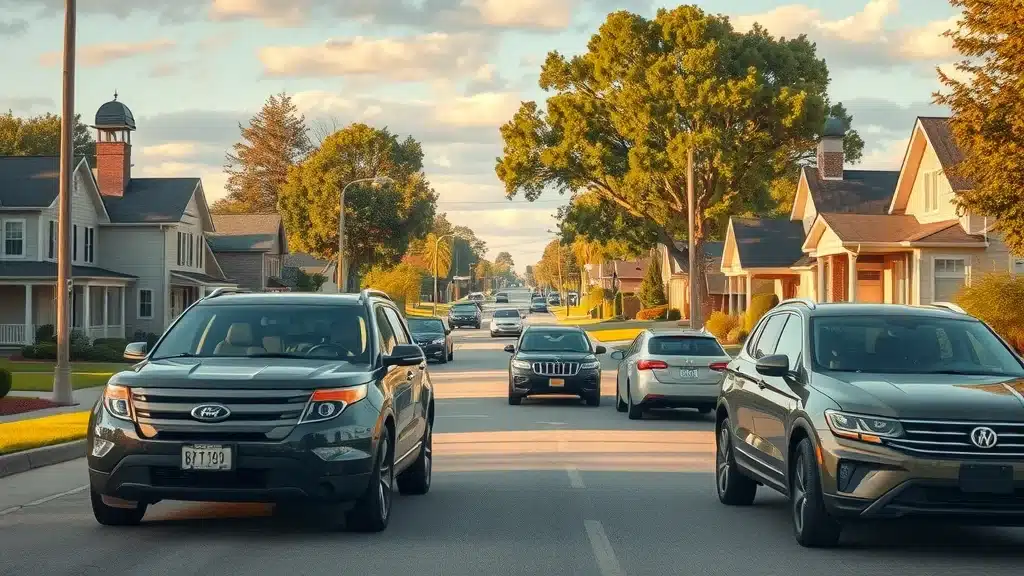
Does Your ZIP Code Affect Car Insurance Rates in Columbia SC?

Shoppy Columbia SC Insurance
A group of four young professionals discusses documents at a table, with a colorful map of various counties superimposed in the center of the image.

Startling fact: Drivers living just a few blocks apart in Columbia, SC can pay over $400 more every year for car insurance, simply because of their ZIP code. It’s not just a detail on your driver’s license—where you live is one of the top factors insurance companies consider when setting your rates. In this comprehensive guide, we show you exactly why your neighborhood matters so much and how you can take control of your car insurance costs.

Startling Facts: How ZIP Codes Shape Car Insurance Rates in Columbia SC

Whether you realize it or not, your ZIP code can have a profound impact on your car insurance rate in Columbia, SC. Statistically, insurers have found significant differences between neighborhoods when it comes to traffic accidents, car thefts, storm risks, and even the average cost to repair vehicles. For instance, data collected from various information services shows that residents in certain Columbia ZIP codes routinely face higher premiums, sometimes exceeding the national average by several hundred dollars per year. Insurers argue that these differences are tied to local risk factors such as population density, crime rates, proximity to busy intersections, and exposure to weather-related damages.

For Columbia drivers, this means that moving from one ZIP code to another—sometimes just a few streets away—may cause your car insurance premium to spike or drop unexpectedly. Insurance companies rely on complex algorithms that weigh a variety of hyper-local data points. Neighborhoods near the University of South Carolina (USC) or within storm-prone flood zones might see higher insurance costs due to increased claims frequency, while suburban ZIP codes with fewer break-ins and lower accident rates could benefit from more affordable coverage. Understanding these local nuances is essential for every policyholder aiming to save money and secure the best possible terms on their auto insurance policy.

Insightful map of Columbia, SC divided by colorful ZIP code regions. Residents depicted with thoughtful expressions, some holding car keys or insurance papers, styled as photorealistic set in a modern digital workspace with subtle infographics, emphasizing car insurance rates by ZIP code.

“Did you know that drivers in Columbia, SC may pay over $400 more per year for car insurance, based solely on their ZIP code? Location isn’t just a line on your license—it’s a key factor in how insurance rates are calculated.”

What You’ll Learn About Car Insurance Rate Factors in Columbia, SC

  • How your ZIP code directly impacts car insurance rates in Columbia, SC.
  • Key local factors—like traffic, crime, and weather—that influence insurance premiums.

  • How insurance companies assess risk in different parts of Columbia.
  • Strategies for managing insurance costs regardless of where you live.

Analytical insurance agent reviewing car insurance policy with local Columbia SC map, pointing at different ZIP code areas in a bright, tidy office, discussing how insurance rates are affected by location.

Understanding How ZIP Code Influences Car Insurance Rates in Columbia SC

When you wonder, “does your zip code affect car insurance rates in Columbia SC?” the answer is a resounding yes. Insurers are data-driven: they consider where your vehicle spends the night and the surrounding risks in that neighborhood. These risks aren’t limited to how you drive or what car you own—they’re intricately linked to environmental and social factors associated with each ZIP code. When a policyholder applies for car insurance, the company will use their residential ZIP code as a primary data point to establish the base risk of insuring that driver. This localized evaluation enables insurance carriers to tailor pricing that accurately reflects the frequency and severity of claims tied to specific areas within Columbia.

Because Columbia’s neighborhoods vary widely—ranging from bustling city centers to quieter suburbs—there’s no such thing as a standard auto insurance rate across the city. Instead, everything from the density of street parking, local accident statistics, proximity to major routes, and even the percentage of insured versus uninsured drivers is factored into your insurance premium. The continual reshaping of urban and suburban landscapes means these calculations are constantly updated, sometimes annually, to reflect current risks. Whether you live in the heart of downtown or in a student-heavy residential block, your ZIP code is a central piece of the insurance puzzle.

Why Car Insurance Companies Use ZIP Codes in Rate Calculations

Insurance companies use ZIP codes as part of their risk assessment process because claims patterns tend to cluster geographically. For example, certain areas may have higher property crime, leading to more theft or vandalism claims, while others may be prone to fender-benders during rush hour. ZIP codes provide a concise way for insurers to group similar risks and more accurately predict the likelihood of future claims—which is the key to setting fair (and profitable) rates. This approach is not unique to Columbia or even South Carolina, but local factors make the impact pronounced here.

To insurers, a ZIP code is much more than a mailing address. It represents access to accident data, crime rates, storm risk, population density, and even nuances like road quality or vehicle ownership patterns. When gathering quotes for auto insurance, you may notice your base rate changes immediately once you enter a different ZIP code, even if all other personal details remain the same. This practice helps keep insurance companies solvent by ensuring they collect enough in premiums to cover claims from those “higher-risk” ZIP code clusters.

Columbia, SC: Local Concerns That Affect Insurance Premiums

  • Neighborhood demographics
  • Crime statistics
  • Traffic congestion
  • Proximity to universities (such as USC)
  • Storm and flood risk

Columbia’s reputation as both a state capital and a bustling college town brings its own set of challenges for drivers seeking affordable car insurance. Higher population densities in downtown areas typically translate to increased traffic congestion, which heightens the risk of accidents and fender benders, especially near intersections synonymous with rush-hour gridlock. Nearby student-heavy communities experience a higher volume of inexperienced drivers, which may boost claims related to collisions and property damage.

Additionally, certain neighborhoods are more susceptible to theft and vandalism, both of which lead insurers to set higher insurance premiums for policyholders in those ZIP codes. Proximity to flood zones or storm-prone areas around the Congaree River also means elevated risks for weather-related claims. Each of these factors gets plugged into the insurer’s complex pricing models, resulting in rates that may appear arbitrary, but which are in fact calculated from detailed, zip-code-specific risk assessments made by data analysts and local experts.

Neighborhood street scene in Columbia, SC with residents walking near parked cars and brick houses, reflecting the diverse local factors that affect car insurance premiums by ZIP code.

Comprehensive List: Key Factors Affecting Car Insurance Premiums in Columbia SC

  • ZIP code and local risks
  • Driving record and claims history
  • Credit score
  • Vehicle type and usage
  • Average cost of repairs in the area
  • Insurance company underwriting practices

While ZIP code plays a central role, it’s hardly the only factor at play in determining your car insurance premium in Columbia, SC. A clean driving record can help offset some of the cost increases from living in a higher-risk neighborhood, as can maintaining a strong credit score—another key element that insurers in South Carolina weigh heavily. Your claims history also comes under the microscope; recent accidents or tickets keep your rates elevated—even in a “safer” area.

The type of car you drive also matters: newer, more expensive, or sporty vehicles generally cost more to insure, as do those frequently targeted for theft or costly to repair locally. Meanwhile, the way an insurance company structures its risk models—including their own claims experience in certain ZIP codes—can mean significant premium differences between companies, even for otherwise identical policyholders. Local drivers who actively compare quotes, shop their coverage, and maintain safe driving habits are best positioned to save money on their auto insurance rates regardless of neighborhood.

Comparing Car Insurance Rates by ZIP Code in Columbia, SC

Sample Average Car Insurance Rates in Popular Columbia ZIP Codes
ZIP Code Neighborhood Type Average Annual Premium
29201 Downtown/Urban Core $1,980
29205 Downtown/Student Area $1,930
29206 Suburban/Residential $1,670
29223 East Suburban $1,770
29208 USC Campus/Student $2,010

Infographic of cars grouped by Columbia, SC ZIP code price ranges, showing the differences in car insurance rates with a creative, photorealistic arrangement atop a simplified city map.

Breakdown of Car Insurance Rate Disparities by Columbia Area

  • Downtown Columbia (29201, 29205)
  • Suburban/Residential (29206, 29223)
  • Student-heavy neighborhoods (29208—USC)

The dividing lines between ZIP codes in Columbia can be surprisingly sharp when it comes to car insurance. Residents in downtown neighborhoods like 29201 and 29205, densely packed with apartments and limited street parking, tend to have higher premiums than those living in suburban enclaves. That’s because claims related to both collisions and thefts tend to spike in these urban cores. By contrast, ZIP codes like 29206 or 29223, known for family homes and less congestion, see notably lower average rates—offering relief for those who can afford the space or are willing to commute further.

Campus-adjacent destinations such as 29208 (the University of South Carolina) have the highest reported rates in Columbia, reflecting both the transient student population and elevated accident statistics. It’s also worth noting that “student” rates often combine higher base premiums with fewer available discounts; not all insurance companies offer special pricing in these areas. The disparities serve as a reminder to check policies and compare options whenever you change neighborhoods within Columbia.

Urban downtown intersection in Columbia, SC with cars waiting at a busy intersection, diverse drivers, and iconic buildings, illustrating how local traffic patterns shape car insurance rates by ZIP code.

The Role of Local Insurance Companies and Their Pricing Tactics in Columbia, SC

Insurance is a competitive business in Columbia, with both large national carriers and local companies employing sophisticated strategies to balance local risk with profit. How insurance companies calculate your auto insurance premium typically starts with your ZIP code, then drills down to other unique factors: your driving record, age, type of car, and even your claims history. These scores are balanced against company-wide data sets and adjusted according to the company’s own history of claims paid out in your area.

Some local insurers may offer lower rates in certain ZIP codes if they have fewer claims from those areas, while others may hike rates preemptively if they spot trends like increased vandalism or flash flooding. Policyholders who track changes in neighborhood statistics—and who switch insurers to capitalize on favorable pricing trends—often fare better than those who stay with the same carrier for years. The Columbia auto insurance market rewards vigilance, research, and asking smart questions of agents familiar with local variations.

How Insurance Companies Weigh ZIP Code Versus Other Factors

You might be surprised to learn that while ZIP code can heavily influence your starting rate, it’s often not the only deciding variable. Each insurance company uses a proprietary algorithm to weigh factors such as your credit score, driving history, age, marital status, and previous claims. However, in a city like Columbia, where weather risks and traffic patterns shift frequently, your ZIP code can become the tie-breaker between a low and high premium. Some companies place more emphasis on ZIP codes with historically high accident rates, while others may focus on predictors like the average cost of local repairs or the distance to the nearest first responders.

Insurance companies are continually refining their risk models, adding new data sets, and responding to emerging local risks like increased car thefts or storm events. This means the weight of the ZIP code factor is flexible over time—but for most Columbia residents, it remains the single most important location-based variable in the final calculation of your insurance premiums.

Exclusive Insights: Interviews with Local Columbia SC Insurance Brokers

Through interviews with Columbia-based insurance agents, we’ve learned that the biggest jumps in auto insurance premiums occur in neighborhoods with a recent increase in break-ins or auto-related claims. Agents across different carriers agreed that insurance rates are rarely static in Columbia; they rise in response to local events like severe storms, a rash of car thefts, or changes in city infrastructure that alter traffic flows. Students new to Columbia are sometimes shocked to find their rates will be much higher on-campus than five miles outside of town, due to the historically higher claims frequency in campus-adjacent ZIP codes.

“Certain Columbia neighborhoods have historically higher claims frequency, leading to automatically higher car insurance premiums for virtually identical policyholders.” — Local Insurance Expert

Brokers recommend that customers check in regularly—at least annually—to make sure their policy reflects current local risks. They also encourage questions about both discounts and policy adjustments, especially if you’ve recently moved, changed jobs (and commute habits), or made improvements to your car’s anti-theft systems.

In-Depth: How Insurance Premiums Are Calculated in Columbia, SC

Every driver wants to know what goes into the final price tag for their car insurance premium. In Columbia, SC, the calculation boils down to a blend of objective and subjective factors, all filtered through an insurer’s proprietary pricing model. First, the baseline risk is established using your ZIP code, which feeds in local claims statistics, accident rates, crime indexes, and even average property values.

Then, the insurer adds in your individual profile: age, gender, marital status, your driving record (including tickets, accidents, and claims), credit history, and vehicle information. Premiums for comprehensive and full coverage add more complexity, factoring in things like how often you drive, your car’s repair costs, and how likely your model is to be stolen. Insurance companies might also consider trends reported by aggregate providers such as Quadrant Information Services, which benchmark average car insurance pricing across all South Carolina ZIP codes.

Multi-Factor Algorithms: From Driving Record to ZIP Code

Insurance companies leverage advanced algorithms that pull in dozens of data points for each customer, but your ZIP code and driving record always sit near the top of that list. These multi-factor models can adapt to emerging trends, like a spike in car thefts in 29201 or a drop in accidents in 29206 following new traffic controls. The effect? Your premium could rise or fall quickly based on collective claims activity in your block or city, even if you have a clean driving record and excellent credit score.

Columbia drivers should know that the insurance industry has become much more data-rich in recent years, using updated “predictive analytics” to adjust rates dynamically in riskier pockets of the city. This gives them a better chance to “price in” real local risk—and for drivers to proactively save money by minimizing the personal factors under their control (like maintaining a safe driving record and raising their credit score).

Insurance data analyst at computer reviewing risk algorithms for Columbia SC ZIP codes, displaying digital charts and city risk maps, discussing the role of ZIP codes in insurance premiums.

South Carolina State Regulations on Car Insurance Rates

South Carolina law requires every driver to carry minimum liability insurance, but it doesn’t set a cap on premiums—leaving rate setting up to the private insurers operating within the state. The South Carolina Department of Insurance oversees market practices to prevent discrimination, but insurers are permitted to use ZIP code, credit score, driving record, and other non-discriminatory factors as part of their underwriting. State regulators may intervene if a company’s pricing model is found to unfairly penalize certain groups, but for most drivers, your neighborhood will legally remain a centerpiece of any rate calculation.

State rules also require transparency in policy documents and fair access to quotes, so if you feel your premium is improperly high, you have the right to shop around or file a complaint. Keep in mind, too, that state averages for minimum coverage and full coverage plans differ—both in protection and cost—depending on claims history and risk profiles unique to Columbia’s neighborhoods.

Typical Insurance Costs by Coverage Level in Columbia, SC

Sample Car Insurance Premiums for Minimum, Standard, and Comprehensive Coverage in Columbia
Coverage Level Average Annual Premium (Downtown, 29201) Average Annual Premium (Suburban, 29206)
State Minimum $830 $740
Standard $1,250 $1,090
Full/Comprehensive $1,980 $1,670

Local Risk Elements by ZIP Code: Columbia, SC Case Studies

Real-world events on your street can mean real changes to your auto insurance rate. Case studies in Columbia show flood zones, patterns of petty theft, and traffic accident hot spots all feed into rising rates—and sometimes, after significant city improvements (like new lighting or road redesign), rates may decrease.

If your ZIP code is hit by a major weather event or crime wave, expect local insurers to reprice policies in the next coverage cycle. Policyholders who act fast—updating policies and reviewing claims—can sometimes catch errors before they impact renewal pricing.

Storm Risk and Flood Zones: Insurance Implications

Columbia’s location near rivers and history of severe weather means that flood risks are never far from the minds of local insurance underwriters. Living in a ZIP code with a high risk of flash flooding or storm damage (such as areas near the Congaree River) directly raises insurance premiums, especially for comprehensive or full coverage auto insurance policies.

Insurance companies track claims from past storms and adjust ZIP code risk scores accordingly. If your neighborhood recently suffered costly damage from a hurricane or major storm, expect increases not just in home insurance but also in car insurance premiums as risks of water damage and total losses rise for vehicles parked in low-lying areas.

Flood-prone street in Columbia, SC with parked cars and residents pointing at minor water pooling, highlighting local storm risk as a major factor in car insurance premiums.

Crime Rate: Local Break-ins and Car Thefts and Their Effect on Insurance Cost

Car break-ins, vandalism, and auto thefts are some of the most influential local risks driving up car insurance premiums within Columbia ZIP codes. Insurers track crime statistics block by block, and a sudden influx of reports in one neighborhood can prompt insurance companies to raise insurance premiums across all policies in that area—not just for victims, but for every resident. High-theft ZIP codes may see fewer available “safe driver” discounts, or higher deductibles imposed by companies eager to manage risk.

If you’re living in a neighborhood that’s experienced a recent spike in theft or vandalism, check with your agent to see what, if any, anti-theft device discounts are available. Adding extra security could reduce your premium, even in a high-crime ZIP code.

Concerned car owner checking car door in an evening Columbia, SC parking lot, scene referencing break-ins impacting car insurance rates by ZIP code.

Traffic Patterns and Accident Rates: Comparing Busy Intersections in Columbia

Some of Columbia’s most expensive ZIP codes for auto insurance trace back to dense, high-traffic corridors. Major intersections, like those near Assembly Street downtown or along Garners Ferry Road, see hundreds of daily fender-benders, raising the number of claims insurance companies must pay in those areas. If your address places your car near these hot spots, expect a higher average rate and stricter underwriting from national and local carriers alike.

Conversely, living on a quieter suburban street may qualify you for a lower base premium. Insurance companies regularly update their algorithms with city accident stats, so neighborhoods with recent traffic improvements, new lights, or redesigned intersections may see rates fall at renewal time. This local responsiveness is part of why Columbia insurance rates are so dynamic year-to-year and ZIP code to ZIP code.

Rush hour at a busy Columbia, SC intersection with multiple cars and attentive drivers, reflecting local accident risk as a factor in car insurance premiums by ZIP code.

The Interplay of Credit Score, Driving Record, and Auto Insurance Rates in Columbia SC

  • How insurance companies assess credit scores in South Carolina
  • Driving record impact on insurance premium
  • Mitigating high-risk factors

While your ZIP code sets the stage, your individual risk profile shapes the rest of your car insurance premium. In South Carolina, both credit score and driving record are tightly linked to what you’ll pay. Insurance companies use credit reports as a predictor of how likely you are to file a claim; a poor score can bump your premiums higher—even in a “cheap” ZIP code. Conversely, a history of on-time payments, clean driving, and few claims can help offset the risk surcharge of living in a high-traffic or high-crime area.

If you’ve been hit with higher premiums, work to raise your credit score, avoid traffic citations, and ask your agent about insurer-specific discounts for clean records or defensive driving courses. These steps not only lower your base rate but can provide much-needed relief if your ZIP code sees a sudden uptick in local risk.

Common Misconceptions About ZIP Codes and Car Insurance Rates in Columbia, SC

  • Changing your address to lower your insurance rate
  • Moving within Columbia to reduce cost
  • Factors insurers actually consider

Many drivers mistakenly believe that changing their address to a lower-cost ZIP code or providing the address of a relative can save them money on their car insurance. In reality, insurance companies require the address where your vehicle is regularly parked. Providing false information can not only lead to higher premiums when discovered but can also result in denied claims or even policy cancellation. It’s also a myth that moving “just one block over” always results in a lower rate; your risk will only decrease if the new address reflects a genuinely safer local environment or lower historical claims rate.

Insurers don’t just look at ZIP codes; they incorporate other factors like the number of claims filed in that area, types of vehicles registered, average cost of property damage, and even the presence of speed cameras. If you’re dissatisfied with your current rate, it’s better to focus on improving your risk profile and shopping for quotes rather than attempting address “hacks. ”

Consequences of Providing the Wrong Address for Car Insurance in Columbia SC

Legal and Financial Risks of Misreporting Address

If you deliberately supply an incorrect address (a practice known as “rate evasion”) to get a lower premium, you risk more than just future price hikes. South Carolina insurance law allows carriers to cancel your policy for material misrepresentation, sometimes retroactively. That means you could be left without coverage—and possibly face penalties if caught driving without valid insurance, exposing you to personal liability in an accident.

Insurance companies routinely verify addresses through DMV records, vehicle registrations, and claims submissions. Being transparent with your insurer is not just the right thing to do—it’s essential for maintaining uninterrupted coverage and legal compliance.

Impact on Claims Processing and Insurance Premiums

Even if your carrier doesn’t cancel your policy outright, providing the wrong address can cause headaches if you need to file a claim. If an insurer discovers your vehicle is regularly kept somewhere other than the address on your policy, they may deny coverage altogether, leaving you to cover damages out-of-pocket. This can be ruinous after a major accident or theft. Additionally, rate corrections after the fact typically result in higher premiums, sometimes backdated to your original policy start date.

The bottom line: always use your actual, current address for your car insurance policy to avoid costly mistakes and ensure full protection when you need it most.

How to Get More Affordable Car Insurance Rates in Any Columbia SC ZIP Code

  • Comparing multiple insurance companies
  • Evaluating deductibles and coverage levels
  • Improving your driving record and credit score
  • Taking advantage of local discounts (e.g., university-affiliated, safe driver)

You can’t always control where you live—but you can control other variables that feed into your car insurance premium. The best first step is to gather quotes from at least three different carriers—rates for otherwise identical profiles can vary by hundreds of dollars simply due to different underwriting practices and ZIP code weighting. If your budget is tight, consider raising your deductible (but be careful to maintain a level you can realistically afford in case of a claim).

Keep your driving record clean, pay bills on time to improve your credit score, and don’t forget to ask about discounts specific to Columbia residents, like safe driver, university employee/student, or bundled policy savings. Small differences can add up, especially if you check rates every renewal cycle or after any major life change (moving, new job, family additions, etc. ).

Checklist: Steps to Review Your Car Insurance Policy in Columbia, SC

  1. Confirm coverage levels and deductibles
  2. Check listed address and ensure accuracy
  3. Request updated car insurance rate quotes annually
  4. Consult local agents for region-specific factors
  5. File necessary address updates with your insurance company

Reviewing your policy each year—especially after any move or life change—fends off surprises when it’s time to file a claim. Local agents are a great resource for understanding new risks tied to your ZIP code, so don’t hesitate to reach out for a second opinion.

People Also Ask About ZIP Code and Car Insurance in Columbia SC

Does zip code change price on insurance?

Answer: Yes, your zip code plays a significant role in determining your car insurance rates in Columbia, SC. Insurers assess risk factors based on locality, including accident rates, crime statistics, and claims frequency, all of which vary by ZIP code.

What is the cheapest car insurance in Columbia SC?

Answer: The cheapest car insurance in Columbia, SC typically comes from comparing quotes among regional and national insurers. Rates can vary significantly by ZIP code and driver profile, so the most affordable provider for you may depend on your unique circumstances.

Does your location affect your car insurance?

Answer: Absolutely. Where you live in Columbia, SC—including your street and ZIP code—directly influences your car insurance premium due to local risk factors like crime, weather events, and population density.

Does it matter what address you use for car insurance?

Answer: Yes, the address listed on your policy must reflect where your vehicle is primarily kept. Using an incorrect or outdated address can lead to denied claims or policy cancellation.

FAQs About ZIP Code and Car Insurance in Columbia SC

  • Does moving neighborhoods in Columbia always change your car insurance rate?
    Not necessarily, but in most cases, even short-distance moves can alter your insurance premium if the new ZIP code has a different claims, crime, or risk profile.
  • How often do insurance companies update rates for ZIP codes?
    Many companies update their underlying risk data and rate tables yearly or after major local risk changes (e.g., storm, increased crime rates).
  • Can students at USC get special rates?
    Some insurers offer limited discounts for students or young drivers, but rates tend to be higher in campus-adjacent ZIP codes due to higher claims risk.
  • Are rural Columbia ZIP codes cheaper than urban ones?
    Typically, yes. Less congestion, lower crime, and fewer claims generally result in lower premiums outside Columbia’s core ZIP codes.
  • What role does storm/flood risk play in my premium calculation?
    Living in a known flood or storm risk zone will increase your premium, especially for comprehensive auto insurance, due to the likelihood of vehicle damage from weather events.

Key Takeaways for Columbia SC Drivers: ZIP Code & Car Insurance Rates

  • Your ZIP code significantly affects your car insurance rates in Columbia, SC.
  • Local risks—like crime, traffic, and storm frequency—are major pricing factors.
  • Accurate address reporting is critical to maintain valid coverage and claims protection.
  • Comparing rates here matters: small moves within Columbia can mean big differences in what you pay.

Further Reading and Data Sources on Car Insurance Rates in Columbia, SC

Get Car Insurance In Columbia Nowhttps://insuranceshoppingexperts.com/columbia-sc-car-insurance/

Conclusion: Why Knowing How Your ZIP Code Affects Your Car Insurance Rate Empowers You

Understanding how your ZIP code shapes your car insurance cost lets you make smarter choices as a Columbia driver—from policy shopping to proactive risk management—ensuring you’re always covered, no matter where you call home.

Your ZIP code significantly influences your car insurance rates in Columbia, SC. Insurers assess various factors within your area, such as traffic density, accident rates, crime statistics, and environmental risks, to determine premiums. For instance, urban areas with higher traffic and crime rates often face increased insurance costs compared to suburban regions. (insurancepanda. com) In Columbia, specific ZIP codes exhibit notable differences in insurance premiums. For example, ZIP codes like 29223, 29229, 29203, and 29210 are among the most expensive due to factors like higher population density and increased traffic congestion. Conversely, ZIP codes such as 29222, 29204, 29206, and 29201 tend to have lower premiums, reflecting their suburban nature and lower risk profiles. (caranddriver. com) Beyond location, other personal factors also impact your insurance rates. A clean driving record can lead to lower premiums, while a history of violations or accidents may increase costs. Additionally, your credit score plays a role; higher scores often result in more favorable rates. The type of vehicle you drive and the coverage levels you choose further influence your premiums. (insuranceshoppingexperts. com) To manage and potentially reduce your car insurance costs in Columbia, consider the following strategies: Compare Multiple Insurance Companies: Shopping around allows you to find the best rates tailored to your specific circumstances. Evaluate Deductibles and Coverage Levels: Adjusting these can help balance your premium and out-of-pocket expenses. Maintain a Clean Driving Record: Avoiding violations and accidents can lead to lower premiums over time. Improve Your Credit Score: Higher credit scores are often associated with lower insurance rates. Take Advantage of Local Discounts: Look for discounts related to safe driving, bundling policies, or affiliations with local organizations. By understanding how your ZIP code and personal factors affect your car insurance rates, you can make informed decisions to optimize your coverage and costs.

How Much Does Car Insurance Cost in Columbia SC in 2026?

Shoppy Columbia SC Insurance

Did you know? In 2026, Columbia residents are paying nearly 12% more for car insurance than last year’s statewide average. Rising costs, shifting traffic patterns, and even the busy energy around the University of South Carolina are making car insurance premiums more unpredictable than ever. If you’re wondering how much does car insurance cost in Columbia SC in 2026, this guide will give you a clear look at the numbers, the reasons behind the changes, and practical tips for navigating the local insurance landscape.

A Surprising Look at Car Insurance Rates in Columbia, South Carolina for 2026

For many Columbia drivers, 2026 has brought an unexpected surge in car insurance rates. The average cost of car insurance in Columbia currently sits at $970 per year for minimum coverage and $2,395 for full coverage. These numbers track slightly above the state average—continuing an upward trend shaped by both regional and statewide dynamics in South Carolina. While statewide rates for minimum coverage hover just below $915 and the national average is $984, local factors like weather-related claims and urban growth are pushing Columbia’s premiums higher.

These insurance costs impact every driver differently depending on their ZIP code, the type of vehicle, and their personal driving record. Whether you’re a student at USC, a commuter navigating rush hour on Gervais, or a retiree enjoying the city’s neighborhoods, understanding the cost of car insurance in Columbia is key to budgeting and finding the right coverage. This article cuts through the statewide averages and delivers a local perspective so you can make smarter choices about your insurance in South Carolina.

Downtown Columbia SC cityscape through a windshield, showing cars, traffic lights, and sunny weather — car insurance rates Columbia 2026

“In 2026, Columbia drivers are seeing insurance premiums rise nearly 12% above last year’s statewide average — but why?”

What You’ll Learn in This Guide to Car Insurance in Columbia, SC

  • The current average car insurance rates in Columbia and South Carolina in 2026
  • Key local factors impacting the insurance cost in Columbia
  • How your driving record, ZIP code, vehicle type, and coverage choices affect your insurance premiums
  • Tips for saving money on car insurance in South Carolina
  • How to compare insurance companies and find the best rates

Insurance agent consulting Columbia SC family, discussing car insurance options for 2026

Car Insurance Cost Breakdown in Columbia, SC: 2026 Data & Trends

Columbia continues to experience higher insurance rates than both the South Carolina state average and the national average in 2026. Here’s how car insurance costs compare by coverage level, putting local figures into perspective. Understanding the cost differences between minimum and full coverage can help drivers make more informed decisions and anticipate changes in their annual premiums.

Type of Coverage Average Cost (Columbia) SC State Average National Average
Minimum Coverage $970 $915 $984
Full Coverage $2,395 $2,210 $2,385

How the Average Cost of Car Insurance in Columbia Compares Regionally

When comparing average car insurance rates, Columbia’s premiums illustration a midsize city trend: not as high as some metro hubs, but higher than rural areas. The cost of car insurance in Columbia outpaces most other mid-sized South Carolina cities such as Charleston and Greenville, largely due to denser traffic, a higher concentration of insured vehicles, and a notable frequency of storms that drive up claim counts. The regional gap is most visible in full coverage rates, where Columbia exceeds the state average by nearly $200 annually.

If you’re relocating within South Carolina or comparing city-to-city, expect Columbia to generally fall above average in terms of insurance cost—driven primarily by local traffic issues, an influx of students during school year, and higher vehicle repair costs in the area. Still, Columbia’s car insurance premiums remain competitive against bigger states’ urban centers, which is a relief for many locals trying to save money where possible.

Chart showing Columbia SC car insurance rates versus South Carolina and national averages in 2026

Auto Insurance Premium Trends: 2025–2026 Year-Over-Year Analysis

The year 2026 brings a continuation of the premium hikes observed since 2024. Columbia’s average increase in auto insurance premiums from 2025 to 2026 is estimated at about 7%, compared to a roughly 5% increase statewide. Weather-related claim surges—especially from storms and heavy rainfall in the summer months—are a core reason for ongoing account adjustments. In addition, more collisions, rising repair costs, and shifts in how insurance companies calculate risk (often by ZIP code) mean that rates are both less predictable and more localized than ever before.

One notable trend is the growing divergence between minimum coverage and full coverage premiums. As labor, parts, and medical costs go up, the value of comprehensive or collision protection rises, which is reflected in higher policy prices. These factors, combined with insurer rebalancing after underwriting losses in prior years, suggest that drivers in Columbia should budget for slightly larger annual increases in insurance premiums than in the recent past.

Car dashboard in Columbia, SC showing increase in insurance costs in 2026

Key Factors That Influence How Much Does Car Insurance Cost in Columbia SC in 2026?

The cost of car insurance in Columbia, SC for 2026 is determined by a web of interacting local and personal factors. While some aspects (like insurer pricing models) may be out of your control, understanding the biggest influencers can help you take steps to control your rates. Localized issues—such as accident frequency near USC, unpredictable storm damage, or congestion on Assembly Street—combine with personal elements like your driving record or credit score to shape the final insurance premium you’ll pay.

Let’s look closely at what pushes rates up or down in Columbia, focusing on local trends, risk factors, and the details that almost always catch new drivers by surprise.

The Impact of Local Traffic, Storms, and University Life on Insurance Rates

Columbia’s roads reflect a unique blend of residential commuters, out-of-town parents, and thousands of students living away from home. Major events at the University of South Carolina, coupled with game days and frequent summer thunderstorms, lead to increased accident reports and more claims. Insurance companies, aware of higher risk around neighborhoods like Five Points and Old Shandon, price this risk into both car insurance rate calculations and policy renewals.

Additionally, South Carolina weather remains a wild card in local insurance cost equations. With more severe storms in recent years, insurers have seen spikes in comprehensive claims for hail, flooding, and wind damage. The layering of these environmental factors with the ebb and flow of university traffic creates a perfect storm for higher car insurance premiums in the Columbia area.

Columbia SC university area with traffic and storm — insurance risk factors in 2026

How Driving Record, Credit Score, and Age Affect Your Insurance Premium

Your personal profile is a top driver of car insurance cost in Columbia. Insurers scrutinize your driving record for violations such as a speeding ticket (even one minor infraction can bump your rate), and they weigh your credit score as a predictor of claim risk. Younger drivers—especially students and new commuters—face significantly higher premiums, while older, low-mileage drivers benefit from age-based and usage discounts.

Maintaining a clean driving record, improving your credit score, and avoiding risky behaviors (like distracted driving) can lower your rates dramatically over time. If you’ve recently had a ticket, claim, or drop in credit, expect a higher average rate until your history stabilizes. These factors, combined with your vehicle choice and past insurance history, create a real local difference between what you and your neighbor might pay for otherwise similar coverage.

Drivers of different ages and vehicles in Columbia, SC — showing personal factors affecting insurance premium in 2026

Why Your ZIP Code in Columbia SC Matters for Insurance Costs

Insurance companies have learned that ZIP code is one of the best predictors of risk, and this holds true in Columbia. Neighborhoods closer to major campuses, high-traffic retail corridors, or areas with higher accident or theft rates tend to have higher insurance premiums. For instance, historic districts near downtown or areas with frequent weather claims are often “rated up” compared to lower-claims suburbs.

If you’ve moved recently in Columbia, don’t be surprised to see your car insurance rate change on renewal—sometimes by hundreds of dollars per year. Even within the city, rates can swing dramatically based on local claim data, congestion trends, and crime rates reported to insurance companies.

How Coverage Types Change the Cost of Car Insurance in Columbia SC

Beyond the basics of minimum liability or state-required insurance, drivers in Columbia have choices about the protection level they want. Those choices come with substantial differences in insurance cost. Local insurers price full coverage—which typically includes liability, comprehensive, and collision—much higher than policies offering only the minimum required under South Carolina law.

Deciding which type of coverage is best for your circumstances means assessing both your car’s value and your personal risk tolerance. Here’s how your decision can affect annual premiums.

Minimum Coverage vs. Full Coverage: What Does Each Really Cost?

In 2026, minimum coverage policies in Columbia average about $970 per year, meeting state law for bodily injury and property damage liability. But the moment you upgrade to full coverage (adding protection for your own vehicle as well as broader liability), your premium nearly triples to around $2,395. This jump isn’t just about covering more risk—it’s also about local claim frequency, repair cost inflation, and insurer calculations that take the average car’s age and type into account.

Drivers of newer or financed vehicles are usually required by the lender to carry full coverage. But for those with older cars or limited budgets, minimum state-mandated coverage still leaves you exposed to out-of-pocket expenses after accidents, theft, or South Carolina’s frequent storms. Understanding these differences is essential when making a strategic choice about how much you want to spend—and how much risk you’re comfortable with—when buying car insurance in Columbia.

Comparison of used sedan and luxury SUV in Columbia, SC — differences in insurance cost by coverage 2026

Optional Add-Ons: Are They Worth the Higher Insurance Premium?

Many Columbia drivers wonder if extras like uninsured motorist, roadside assistance, or glass replacement are worth their price. Add-on coverages do boost your total insurance cost—sometimes by as much as 15–20%—but can be crucial in a city where about 1 in 7 drivers is uninsured.

Options like comprehensive coverage provide peace of mind after storms or vandalism. Others, like gap coverage for new cars or rideshare endorsements for those who drive for Uber or Lyft, may be dictated by your lifestyle or vehicle use. Always discuss these add-ons with your agent to weigh cost versus benefit given Columbia’s particular risk factors.

Comparing Car Insurance Companies in Columbia, South Carolina

  • Largest local car insurance providers by market share in 2026
  • Ratings and customer satisfaction for insurance in South Carolina
  • Which companies offer the most competitive insurance premiums?

Several national and regional insurance companies serve Columbia, but the best policy depends on your specific situation. Local market leaders—such as State Farm, Allstate, GEICO, and local outfits like SC Farm Bureau—compete on both service and price. Customer satisfaction scores and claim response times may be even more important than rate quotes alone, particularly in a region like South Carolina where unexpected weather can trigger widespread claims.

Most Columbia residents agree: shopping for coverage every 1–2 years almost always leads to a better deal. Comparing policy quotes and researching customer reviews are vital if you want the lowest insurance premium for your unique combination of ZIP code, vehicle, and driving history.

Typical Insurance Costs for Common Columbia Driver Profiles

The average car insurance premium changes dramatically depending on whether you’re a young driver, experienced commuter, or retiree sticking close to home. Here’s a snapshot of what you might expect to pay for car insurance in South Carolina based on three frequent Columbia personas:

Profile Average Annual Premium
Single student, age 22, clean record $3,420
Married couple, age 40, 1 speeding ticket $2,210
Retiree, less than 5 miles/year $1,090

Insurance agent and Columbia customer shaking hands after discussing car insurance rates in 2026

Why Are Car Insurance Costs Increasing in South Carolina and Columbia SC?

  • Rising claim frequency from severe weather
  • Increased urban traffic congestion and accidents
  • Inflation of repair and medical costs
  • Insurance company rate adjustments in South Carolina

Multiple factors are behind rate hikes in Columbia and across South Carolina. Most notably, more severe summer storms have led to greater numbers of damage claims. Citywide growth means more congestion and fender-benders, which directly raise the average cost of insurance in south carolina. Combine this with inflation in the repair and healthcare markets, and insurers have little choice but to adjust rates upward in order to remain solvent.

Insurer rate adjustments aren’t always about profit—it’s often about recalibrating after particularly expensive storm years, or about finding the right balance between risk exposure and coverage availability for South Carolina drivers.

Summer storm hitting Columbia, SC — insurance claims rising in 2026

“Columbia’s rising population and frequent summer storms have a measurable impact on car insurance rates.”

How Can You Save Money on Car Insurance in Columbia SC in 2026?

  1. Shop and compare insurance rates annually
  2. Take advantage of student and safe driving discounts
  3. Improve your credit score
  4. Bundle home and auto insurance
  5. Check for telematics and usage-based discounts

Even with rates trending upward, there are practical ways to save money on car insurance in Columbia. Annual comparison shopping is the biggest driver of savings—insurance companies regularly update their models and often offer “new customer” incentives or discounts for safe drivers, students, or those with excellent credit. For many, bundling auto and home insurance results in discounts as high as 15%. Increasingly, telematics programs that monitor mileage or driver behavior provide strong incentives for low-mileage or careful drivers who want a more tailored (and cheaper) insurance premium.

Improvements in your credit score or changing to a vehicle with lower repair costs can also lower your rates over time. By staying informed and proactive, you’ll be better positioned to handle changes in car insurance costs—and perhaps even beat the system.

People Also Ask: Is Car Insurance Going Up in 2026?

Expert Analysis: Projected Rate Increases for Car Insurance in South Carolina

All reputable industry projections point to continued insurance rate increases in South Carolina for 2026, with most major insurers forecasting average hikes of 5–8%. The biggest drivers remain storm-related claims, inflation in vehicle and health sectors, and a steady uptick in accidents involving younger or inexperienced drivers. While there’s some variation based on company and ZIP code, Columbia is unlikely to see rates drop anytime soon. Regularly reviewing your policy and exploring new insurer offers will be important in keeping your costs manageable this year.

Insurance analyst in Columbia SC reviewing charts of car insurance cost projections for 2026

People Also Ask: How Much Will Auto Insurance Go Up in 2025?

Yearly Premium Change: 2024 vs. 2025 vs. 2026

Columbia drivers saw auto insurance premiums rise roughly 5% going into 2025, followed by an even sharper increase of 7% into 2026. This pattern mirrors trends in other cities across the state, with incremental yet significant annual jumps making car insurance a growing part of household budgets. The primary culprits? More frequent severe weather, rapidly rising medical/repair costs, and an evolving insurance industry recalibrating risks for the modern, increasingly urban South Carolina.

Expect moderate but persistent rate hikes for at least the next year, especially as insurers continue to digest loss data and reconsider their exposure to high-risk neighborhoods and risky driver profiles.

People Also Ask: Why Am I Paying $400 a Month for Car Insurance?

High Risk Categories and How to Lower Your Car Insurance Cost

If you find yourself paying $400 a month, you likely fall into a “high-risk” category—perhaps due to recent accidents, tickets, a low credit score, younger age, or living in a high-claim ZIP code within Columbia. Advanced vehicles with above-average repair costs, a history of lapses in insurance coverage, or recent gaps in employment can also drive your rates up.

To reverse this trend, focus on building a clean driving record, improving your credit score, exploring less costly vehicles, or even moving to a lower-risk ZIP code. Compare several offers and ask about safe driver, low-mileage, and bundled policy discounts. In most cases, costs can be brought down with diligence and by reexamining the specifics of your policy with local agents.

People Also Ask: Why Is Car Insurance Going Up in South Carolina?

A Closer Look at Economic, Environmental, and Policy Factors

Insurance costs are rising across the region for several key reasons. Economic inflation has pushed the price of parts, vehicles, and medical care higher, directly boosting insurance premiums for both basic and full coverage policies. South Carolina’s more frequent and severe summer storms are driving up comprehensive and property damage claims, while urban growth in places like Columbia increases the likelihood of both traffic accidents and theft.

Regulatory changes, as well as new risk models adopted by insurers, can mean bigger jumps in renewal pricing for certain driver groups or postal codes each year. In short, the upward trend is being shaped by a triangle of economics, weather, and evolving insurance industry practices.

FAQs: How Much Does Car Insurance Cost in Columbia, SC in 2026?

  • What is the average cost of car insurance in Columbia, SC for full coverage?
    As of 2026, the average annual cost for full coverage in Columbia is $2,395, higher than both the South Carolina state and national averages.
  • How can I qualify for lower car insurance premiums?
    Maintain a clean driving record, raise your credit score, shop rates annually, and ask about available discounts for bundling, safe driving, student status, or telematics programs.
  • Are there special rates for students near USC?
    Many insurers offer discounts to good students (higher GPAs), often requiring proof of enrollment at University of South Carolina. Student ZIP codes, however, can drive rates higher due to accident frequency.
  • What factors do insurance companies evaluate most in 2026?
    Insurers consider your driving history, credit score, age, vehicle, ZIP code, and chosen coverage level most heavily in determining your premium.
  • Is it cheaper to pay car insurance annually or monthly?
    Many carriers provide “pay-in-full” discounts to those who pay annually. Monthly billing can cost more over time due to installment fees.

Real Quotes: Columbia Residents Describe Their 2026 Insurance Premiums

“I was surprised my rate jumped after moving to Five Points, but not after my sister had two claims in just one year.”
– USC Student, 23

“Bundling my car and home saved me over $500 per year on insurance premiums.”
– Devonte, Rosewood Resident

Key Takeaways: Understanding Insurance Costs in Columbia SC for 2026

  • Car insurance costs in Columbia SC are projected to remain slightly above the state average in 2026.
  • Credit, driving record, age, ZIP code, and coverage level drive your final rate.
  • Annual rate shopping and bundling coverage typically yields the best savings.

Conclusion: Navigating 2026 Car Insurance Costs in Columbia SC

Choosing Coverage as a Columbia Resident — What Matters Most?

  • Start by understanding your driving needs and local risks
  • Regularly review your insurance policy and compare company offerings
  • Don’t hesitate to seek expert advice for the best outcomes

By staying informed and proactive, you can make the most out of your insurance coverage and avoid paying more than necessary as the local market evolves.

Ready to compare quotes? Get Car Insurance In Columbia Nowhttps://insuranceshoppingexperts.com/columbia-sc-car-insurance/

Sources

In 2026, Columbia, South Carolina, continues to experience car insurance rates that are slightly above both the state and national averages. The average annual premium for full coverage in Columbia is approximately $2,395, compared to the South Carolina state average of $2,210 and the national average of $2,385. (insurify. com) Several factors contribute to these elevated rates: Urban Traffic Density: Columbia’s status as a mid-sized city with dense traffic leads to a higher likelihood of accidents, influencing insurance premiums. (budgetautoquote. com) Severe Weather Risks: The region’s susceptibility to storms and heavy rainfall results in increased claims for weather-related damages. (budgetautoquote. com) Demographic Factors: The presence of the University of South Carolina introduces a significant number of young drivers, who statistically pose higher risks, thereby affecting overall insurance costs. (budgetautoquote. com) Insurance premiums in Columbia also vary based on individual factors such as driving history, credit score, age, and the specific ZIP code. For instance, drivers with clean records and good credit scores may secure lower rates, while those with violations or residing in high-claim areas might face higher premiums. (budgetautoquote. com) To mitigate these costs, Columbia residents are encouraged to: Compare Rates Annually: Regularly shopping around can help identify more competitive rates. (budgetautoquote. com) Maintain a Clean Driving Record: Avoiding traffic violations can lead to lower premiums. (budgetautoquote. com) Consider Bundling Policies: Combining auto insurance with other policies, like homeowners insurance, may result in discounts. (budgetautoquote. com) By staying informed and proactive, drivers in Columbia can better navigate the evolving insurance landscape and potentially reduce their premiums.




Do You Need Earthquake Coverage in Columbia, SC?

Shoppy Columbia SC Insurance

Did you know that South Carolina is the most earthquake-prone state on the East Coast and has experienced thousands of tremors since 1900? Many homeowners in Columbia don’t realize that their standard home insurance does not cover earthquake damage—leaving a major gap in protection if disaster strikes. In this in-depth guide, we reveal why earthquake coverage matters in Columbia, SC, explore what’s at stake for property owners, and show you how to make a well-informed decision for your home’s safety and your financial security.

A Surprising Risk: Why Earthquake Coverage Matters in Columbia, SC

When most people think about devastating earthquakes in the United States, California usually comes to mind. However, South Carolina ranks as one of the top seismic regions on the East Coast and, surprisingly, has a long history of damaging tremors. In Columbia, the risk is real, though frequently overlooked—making earthquake coverage a critical consideration for homeowners. While the odds of a major quake are relatively low, the financial consequences of going without coverage can be severe, especially since standard home insurance policies don’t cover earthquake damage. Without a specific earthquake insurance policy, homeowners may be left to absorb all repair costs, possible rebuilding expenses, and additional living expenses if their home becomes uninhabitable.

In recent decades, minor earthquakes have rattled homes across Richland County. Even small tremors can cause foundation cracks, shifting walls, and damage to plumbing or electrical systems—repairs that aren’t cheap. Many homeowners make the mistake of assuming that such a risk won’t affect them or that their insurance company would cover these damages. Unfortunately, this misconception could leave families facing tens of thousands of dollars in uncovered damage. Reviewing your exposure and understanding the regional geology can help you decide if earthquake coverage in Columbia is a wise step for protecting your investment and peace of mind.

Columbia SC homeowner on their porch examining home insurance binder with subtle foundation cracks, illustrating earthquake coverage concerns

Startling Facts and Regional Data About Earthquake Damage

Earthquake risk in Columbia, SC, often flies under the radar, but regional data tells a different story. South Carolina is home to the second most active seismic zone east of the Mississippi: the Charleston Seismic Zone. According to the United States Geological Survey (USGS) and South Carolina’s own emergency management agency, the state has experienced over 80 recorded earthquakes since 2000 alone, most concentrated in the central and eastern regions of the state. Though many of these quakes are too minor to cause widespread destruction, even small shifts can inflict difficult-to-diagnose structural damage to homes, particularly older brick houses or properties built before modern building codes accounted for seismic threats.

In 1886, Charleston, just two hours from Columbia, was struck by a magnitude 7. 0 quake that damaged structures as far away as Ohio and caused ground shaking in Columbia. More recently, smaller quakes—like the 2022 Elgin series—have reminded area residents of their vulnerability. Emergency preparedness experts caution that South Carolina’s deep, soft soils can actually amplify tremors, increasing damage risk. Despite these facts, fewer than 10% of homeowners in the region carry earthquake insurance. Having a financial safeguard in place isn’t just about historical events—it’s about realistic forward planning.

“Many homeowners in South Carolina underestimate their earthquake risk, especially in the central region.” – Columbia Geological Survey Expert

What You’ll Learn About Earthquake Coverage

  • The fundamentals of earthquake coverage compared to standard homeowners insurance
  • Columbia, SC’s earthquake insurance risk landscape
  • How earthquake damage is assessed and covered
  • Factors influencing earthquake insurance cost in Columbia
  • How to evaluate your own risks and coverage needs

Understanding Earthquake Coverage and Earthquake Insurance

What Is Earthquake Coverage?

Earthquake coverage is an add-on option or separate insurance policy designed to help property owners recover from earthquake damage that isn’t covered by a traditional homeowners insurance plan. If an earthquake causes your home to crack, shift off its foundation, or even experience total loss, earthquake insurance can help you pay for necessary repairs, rebuilding, and even temporary relocation as part of additional living expenses. Unlike fire damage or theft, which are often included in a standard policy, earthquake risks are usually excluded—meaning you’re financially exposed unless you secure this specialty protection.

The specifics of earthquake insurance can vary by provider, but most policies offer coverage for structural damage to the main dwelling, attached and detached structures (like garages), and, optionally, your personal property. Some policies even cover costs for debris removal and emergency repairs, providing a crucial buffer for families rebuilding after a seismic event. Coverage may be available as an endorsement to your home insurance or as a standalone earthquake insurance policy, depending on your insurer and your home’s construction.

Insurance agent in Columbia SC explaining earthquake insurance options to diverse homeowners, referencing digital visuals

How Earthquake Insurance Is Different From Homeowners Insurance

Many property owners assume their standard policy will cover earthquake damage, but this is a costly misconception. Homeowners insurance is designed for common perils such as fire damage, hail, theft, or certain types of water damage, but it specifically excludes losses caused by earthquakes. As a result, when a tremor shakes your home or cracks your foundation, your insurer won’t pay unless you’ve added earthquake coverage. This knowledge gap leaves many residents in Columbia, SC, dangerously unprotected.

Unlike regular homeowners insurance plans, earthquake insurance comes with its own structure, typically including a separate deductible (often calculated as a percentage of your total insured dwelling value) and distinct exclusions. Coverage can be customized based on your lender’s requirements, the value of your property, and unique risk factors (such as local seismicity, age, and style of your home). Because these policies address a specialized risk, they typically need to be purchased separately, either from your home insurance company or through specialty providers with experience handling seismic damage claims.

How Insurance Policies Cover Earthquake Damage and Additional Living Expenses

If an earthquake damages your home, a dedicated earthquake insurance policy can help pay for repairs to your home’s structure, attached garages, and certain personal property. But there’s another benefit that’s often overlooked: reimbursement for additional living expenses (ALE). This coverage kicks in if your home becomes uninhabitable due to earthquake damage, paying for hotel stays, temporary rentals, restaurant meals, and other costs you may incur while rebuilding. ALE can be a financial lifesaver during a major disruption, allowing families to maintain their routines without incurring overwhelming out-of-pocket costs.

Not every policy covers additional living expenses by default—some include it as a standard feature, while others require it as an add-on. Policy details matter, so it’s essential to read your plan’s terms carefully or consult with an experienced insurance agent to ensure comprehensive protection. Remember: earthquake insurance is purpose-built to cover damage that’s excluded from traditional homeowners plans, filling an essential coverage gap that’s crucial for financial stability after a quake.

Comparison of Standard Homeowners Insurance vs. Earthquake Insurance Policy Features
Policy Feature Standard Homeowners Insurance Earthquake Insurance
Covers Earthquake Damage No Yes
Fire Damage Yes Yes (if related to earthquake, sometimes excluded)
Flood Damage From Earthquake No No (usually separate flood insurance required)
Structural Damage Covered (excluding earthquakes) Covered (if caused by earthquake)
Personal Property Covered (excluding earthquakes) Optional/add-on
Additional Living Expenses Covered (excluding earthquakes) Often covered but check policy specifics

Does Columbia, SC Need Earthquake Coverage?

Seismic Risks and Historical Earthquake Damage in South Carolina

South Carolina may not get as much publicity for seismic activity as California, but its geological landscape holds surprising risks. The Charleston Seismic Zone, located southeast of Columbia, is capable of producing significant earthquakes, as history has shown. The infamous 1886 earthquake caused severe damage in Charleston and was felt across the United States, including throughout Columbia. Modern events, such as the recent Elgin earthquake swarm in 2022, serve as reminders that risk persists—and it extends into the greater Columbia region.

The consequences of even a moderate earthquake can be substantial: foundation cracks, collapsed chimneys, dislodged utilities, and damage to your home that may not be visible at first glance. Insurance companies and the US Geological Survey warn that certain building types—like older brick or stone homes—are particularly susceptible. With so many residents living in properties predating modern seismic codes, and with minimal natural buffers, much of Columbia’s housing stock is at risk, underscoring the importance of evaluating your options for earthquake coverage.

Map of South Carolina with seismic risk zones highlighted and Columbia regional context for earthquake coverage

Insights From the US Geological Survey on Columbia’s Risk Profile

The US Geological Survey (USGS) assesses seismic potential across the United States using fault line mapping and historical activity. According to their risk models, Columbia sits in proximity to the Charleston Seismic Zone, and there is measurable long-term risk for moderate to severe earthquakes. The Federal Emergency Management Agency (FEMA) and South Carolina’s emergency management authorities classify parts of the Midlands as having ‘medium’ seismic risk—higher than much of the East Coast.

Earthquake maps indicate that central South Carolina, including Columbia, is overdue for a moderate shaker. As urban growth places more homes and businesses in potential impact zones, the potential for damage caused by a future quake will only increase. While earthquake authority bodies can’t predict exactly when the next event will strike, they affirm the importance of having an insurance policy to mitigate personal financial loss. These insights should nudge homeowners to consider a proactive, risk-based approach to earthquake preparedness.

How Earthquake Coverage Prepares for Unexpected Expenses

One of the most significant benefits of earthquake insurance is its protection against the unexpected costs of repairing or rebuilding your home. Without coverage, you could face tens or even hundreds of thousands of dollars in out-of-pocket expenses for issues such as cracked foundations, damaged walls, or the need to rebuild entirely. Because standard home insurance excludes this peril, Columbia residents without a dedicated earthquake policy find themselves in a financially precarious position after a significant event.

In addition to physical repairs, coverage for additional living expenses is particularly vital. Displacement from your home due to unsafe living conditions can mean weeks—or even months—of added costs: temporary rent, utilities, increased travel, and meal expenses. With earthquake insurance, these are covered, helping families stay safe and comfortable while navigating the disruption of a natural disaster. The bottom line: preparation through insurance equals peace of mind, even when the risk feels remote.

Earthquake Insurance Policies: What They Cover and What They Don’t

Typical Earthquake Damage Covered by an Insurance Policy

An earthquake insurance policy is primarily intended to cover earthquake damage that affects the structure of your home, including its foundation, walls, roof, and attached garages. Some plans also include coverage for selected internal home systems (like HVAC, electrical, and plumbing) and limited personal property such as electronics or furniture. If an earthquake renders your home uninhabitable or unsafe, policies typically reimburse additional living expenses—from temporary housing to meals and laundry—while repairs are made.

Further, many earthquake insurance policies can be customized. You may choose to include separate structures like fences or detached garages or increase personal property limits depending on your asset profile. Coverage typically starts only after deductible requirements are met—but for most families, it provides crucial protection against the potentially ruinous cost of seismic damage that isn’t covered by standard insurance.

Exclusions: What Is Not Covered by Earthquake Insurance

It’s equally important to recognize what earthquake insurance does not cover. Most policies expressly exclude indirect damage caused by landslides, sinkholes, fire damage (unless specifically added), flooding from burst pipes or breaks in water mains, and any loss to landscaping, pools, vehicles, or fences. Often, separate riders or other types of insurance are recommended to address the full spectrum of risks associated with earthquakes.

Understanding these exclusions can help you fine-tune your risk management strategy. If your Columbia, SC property includes costly landscaping or non-attached buildings, speak directly with your insurance agent about what options are available and whether you should carry additional policies. A thorough review ensures you’re protected where it matters most and can help avoid surprises if you ever need to file a claim.

  • Common Items Not Covered: Landscaping, pools, fences, vehicles, detached patios, pre-existing structural problems, and losses from earth movement not directly caused by an earthquake.

Understanding Earthquake Deductibles (Including the 5% Deductible)

Earthquake insurance policies use percentage-based deductibles, which work differently from the fixed deductibles (like $1,000) common to regular home policies. For example, if you carry a 5% deductible on a $400,000 home, you are responsible for the first $20,000 of earthquake damage before your policy provides coverage. This means you need to be financially prepared to cover this amount out of pocket in case of a claim. The deductible applies separately to each coverage type (dwelling, personal property, additional living expenses), so understanding your financial exposure is crucial.

Higher deductibles can help lower your premium—but they increase the costs you must pay if disaster strikes. When shopping for earthquake coverage in Columbia, SC, weigh your budget against your risk and choose a deductible that balances affordability with the need for meaningful protection. Always review these details with your insurance agent to understand the impact on your overall risk plan.

How Much Does Earthquake Insurance Cost for a $400,000 House in Columbia, SC?

Factors That Impact Earthquake Insurance Cost

The price of earthquake insurance in Columbia, SC, depends on several variables. The most significant factors are your home’s value, its construction type (brick, frame, stone), overall age, proximity to known fault lines, and soil composition beneath the foundation. Homes built on softer soils, or those not up to modern seismic codes, often carry higher premiums with insurance companies due to the increased risk of damage caused by tremors. Additionally, the estimated cost of reconstruction in local markets and your chosen deductible will have a meaningful impact on your final premium.

Location within the city also matters—homes situated in mapped higher-risk zones, as established by the geological survey and emergency management agency, will see higher rates than those outside of active seismic zones. Policy customization—such as adding personal property, increased ALE limits, or riders for unique structures—will also influence your annual premium. These factors underscore the importance of requesting customized quotes from providers who understand the specific seismic risks present in Columbia, SC neighborhoods.

Sample Premium Estimates for Earthquake Insurance Policies in Columbia, SC ($400,000 Home Value)
Construction Type Annual Premium (5% Deductible) Annual Premium (10% Deductible)
Wood Frame $230 – $350 $160 – $250
Brick/Masonry $400 – $600 $280 – $400
Older/Pre-1980 Construction $500 – $700 $350 – $480
New/Modern Seismic Code $200 – $320 $140 – $210

Estimates based on leading insurance companies and earthquake authority sources as of 2024. Actual rates may vary.

Tips for Lowering Your Earthquake Premium in South Carolina

Homeowners shopping for earthquake insurance in Columbia, SC can take concrete steps to reduce their premiums. Start by reinforcing your home if possible—retrofitting older properties, securing water heaters, and bolting the foundation can all demonstrate reduced risk to insurance companies. Opting for a higher deductible (such as 10% versus 5%) will directly lower your annual cost, though this does increase your out-of-pocket expenses in the event of a claim.

Comparing quotes from specialized earthquake authority providers, bundling your earthquake coverage with your existing home insurance, and working with an experienced insurance agent familiar with Columbia’s unique risk factors can also drive savings. Some insurers may offer additional discounts if you’ve installed safety upgrades or if your neighborhood demonstrates community-wide mitigation efforts. Always ask about available policy discounts to maximize your protection while minimizing cost.

How to Choose the Right Earthquake Coverage for Your Property

Evaluating Earthquake Risks: Homeowners, Renters, and Beyond

Choosing the best earthquake insurance requires an honest assessment of your unique risk profile. Begin by considering your home’s age, type of construction, and proximity to mapped fault lines, as well as recent seismic activity tracked by the US Geological Survey. Don’t overlook your financial situation: could you afford to repair or rebuild without insurance after a major quake? If not, earthquake coverage becomes less an option and more a necessity. Renters should know that while the dwelling itself is the landlord’s responsibility, renters insurance can sometimes include earthquake protection for personal belongings—ask your agent for details.

Local building codes, neighborhood history, and even soil type can all contribute to your risk. Use publicly available tools from the Federal Emergency Management Agency (FEMA) or your insurance company’s online risk assessment calculators. Columbia residents should factor in regional history, recent tremors, and home value when shopping for the right insurance policy.

  • Checklist: Steps to Take When Shopping for Earthquake Insurance
    • Review your current homeowners or renters insurance to confirm earthquake exclusion.
    • Assess your property’s risk—account for age, style, materials, and location.
    • Contact multiple insurance companies familiar with Central SC’s seismic activity.
    • Compare policy details: coverage limits, deductibles, exclusions, and ALE benefits.
    • Choose additional endorsements/riders if you have special property (detached structures, etc.).
    • Work with a local insurance agent to clarify policy fine print and tailor to your budget.
    • Revisit coverage as your property value, neighborhood risk, or building code changes.

Expert Insight: Is Earthquake Coverage Worth It in Columbia, SC?

“While major earthquakes are rare, the financial damage can be enormous—and standard insurance policies don’t cover quake losses.” – Regional Insurance Authority Advisor

Deciding Factors: Home Construction, Neighborhood, and Local Fault Lines

Should you invest in earthquake coverage in Columbia, SC? For many, the decision hinges on a combination of local seismic risk, the age and construction of your home, and the proximity to known fault lines. Homes built before 1990—particularly brick or stone properties—are more vulnerable to earthquake damage and should be prioritized for coverage. Likewise, neighborhoods located in mapped risk zones or built on softer soils face elevated risk assessments from geological surveys and insurance companies alike.

Even if your neighborhood has never experienced a major quake, the presence of fault lines near Columbia means the risk is not zero. Investing in earthquake insurance is about safeguarding your family’s financial stability if the unexpected occurs. Consult with a trusted insurance agent and regional experts to tailor your protection to the unique risks of your home and community.

Inspector evaluating Columbia SC home's foundation for earthquake risk with modern tools and clear documentation

People Also Ask About Earthquake Coverage in Columbia, SC

What does earthquake coverage cover?

Earthquake coverage generally includes repairs to your home’s structure, detached structures, and sometimes your personal belongings. Policies may also include additional living expenses if your house is uninhabitable after an earthquake.

How much does it cost to insure a $400,000 house?

Costs vary, but earthquake insurance for a $400,000 house in Columbia, SC can range between $200 and $600 annually. Precise rates depend on construction type, deductible selection, and provider.

What is not covered by earthquake insurance?

Earthquake insurance typically does not cover external landscaping, pools, fences, or vehicles. It also commonly excludes flood or fire damage caused by quakes, which may require separate coverage.

What is the 5% earthquake deductible?

A 5% earthquake deductible means you’re responsible for the first 5% of your home’s insured value (e.g., $20,000 on a $400,000 home) for repairs, before coverage begins.

Frequently Asked Questions About Earthquake Insurance and Coverage

  1. Is earthquake coverage mandatory for homeowners in Columbia, SC?
    No. Currently, neither the state of South Carolina nor local ordinances require earthquake coverage for homeowners. However, some mortgage lenders may ask for it in high-risk areas, and it’s good practice to consider adding protection.
  2. Can renters purchase earthquake insurance in Columbia?
    Yes, renters can often add earthquake protection to their renters insurance to cover personal property. Check with your provider to see what options are available locally.
  3. Does an insurance policy cover earthquake damage to contents?
    Some earthquake insurance policies offer optional coverage for personal property, while others may require a separate endorsement. Review your policy specifics and talk to your insurance agent.
  4. Are there alternatives to traditional earthquake insurance policies?
    Some specialty insurers and state-backed authorities offer alternative plans, and FEMA’s disaster grants may be available after certain events. However, private earthquake insurance is the most reliable protection for homeowners.

Key Takeaways: Earthquake Coverage in Columbia, SC

  • Most homeowners insurance policies in Columbia, SC do NOT cover earthquake damage
  • Unique geological factors put parts of South Carolina at higher quake risk
  • Earthquake insurance fills a significant coverage gap for many homeowners
  • Consider your property value, location, and risk tolerance before deciding

Explore Home Insurance Rates in Columbia, SC

Couple in Columbia SC comparing home and earthquake coverage quotes online with confidence

Ready to compare earthquake coverage and find the best rates?Check out our local insurance partner for personalized Columbia, SC home insurance quotes.

Conclusion: Should You Get Earthquake Coverage in Columbia, SC?

Understanding your risk and making an informed decision on earthquake insurance will help you protect your property and your family’s financial security.

Sources

South Carolina experiences approximately 10 to 15 earthquakes annually, with three to five of them felt by residents. Notably, standard homeowners insurance policies do not cover earthquake damage; a separate endorsement or policy is required to protect against such losses. (doi. sc. gov) The 1886 Charleston earthquake, with an estimated magnitude of 6. 9–7. 3, caused significant damage and was felt as far away as Boston and Chicago. This event underscores the potential risk of seismic activity in the region. (en. wikipedia. org) Given the state’s seismic history and the limitations of standard insurance policies, homeowners in Columbia, SC, should consider obtaining earthquake coverage to safeguard their properties and financial well-being.

Affordable Insurance Columbia South Carolina: Get Coverage That Saves

Shoppy Columbia SC Insurance
Four people in business attire stand talking outside a storefront labeled INSUREANCE. Office documents are visible inside, and a nearby car and street signs are in view. The sign has a typo: INSUREANCE instead of INSURANCE.

Nearly 1 in 8 drivers in South Carolina lack insurance coverage, making affordable insurance in Columbia, South Carolina more crucial than ever. Every day, residents and business owners risk financial setbacks by skipping or skimping on coverage—but finding the right policy at the right price is easier than you think. In this guide, we break down how local insurance groups, independent agents, and tailored coverage options can protect what matters most while saving you money. Read on for surprising facts, detailed provider comparisons, and expert strategies to land the best deal in the Palmetto State.

Surprising Facts About Affordable Insurance in Columbia South Carolina

“Nearly 1 in 8 drivers in South Carolina lack insurance coverage, making affordable insurance in Columbia, South Carolina more crucial than ever.”

Informative insurance agency office exterior in Columbia SC, affordable insurance group, customers engaging with staff, bustling downtown, parked cars

Did you know that South Carolina ranks among the states with the highest proportion of uninsured drivers? This alarming trend not only puts motorists at risk, but it also impacts insurance costs for everyone—especially for car haulers, dump trucks, and tow trucks that rely on commercial protection. Local insurance agencies and groups in Columbia have crafted affordable insurance policies to address these unique risks, including garage liability and specialized business coverage for janitorial contractors or installation services. By partnering with independent insurance agents and trusted insurance groups, Columbia residents and business owners can access customizable, low-cost options that keep premiums down while maximizing protection. BBB accreditation and stellar customer reviews remain key signals of the best-value providers in the area, giving you even more confidence when choosing your next policy.

What You’ll Learn About Affordable Insurance Columbia South Carolina

  • The key features and benefits of affordable insurance options available in Columbia, SC
  • Comparisons of top insurance providers and insurance groups
  • Strategies for finding the most affordable insurance group in the region
  • Answers to frequently asked questions about insurance in South Carolina

Understanding Affordable Insurance Columbia South Carolina

What Is Affordable Insurance in Columbia South Carolina?

Confident independent insurance agent consulting with clients in Columbia SC, affordable insurance group, office with certificates

Affordable insurance in Columbia, South Carolina refers to insurance policies—whether they cover auto, home, business, or specialty risks—that provide reliable protection at competitive rates. The term “affordable” goes beyond just the monthly premium; it means striking a balance between price and coverage, ensuring your assets, vehicles (like car haulers, dump trucks, and tow trucks), and liabilities are safeguarded without breaking the bank. Local insurance groups and agencies actively tailor options to fit the specific needs of residents and business owners, from new drivers seeking cost-effective auto insurance, to self-employed janitorial contractors needing robust business profiles and garage liability. By leveraging independent insurance agents with access to multiple carriers, Columbia’s insured can receive personalized, unbiased recommendations that maximize value. BBB business profiles and yelp users’ reviews serve as additional resources, helping you gauge real-world satisfaction before committing.

Importance of Choosing the Right Insurance Group

Selecting the right insurance group in Columbia, SC can make the difference between paying too much for minimal coverage and securing comprehensive protection at a fraction of the expected cost. Groups with BBB accreditation and verified customer reviews often have established relationships with major insurance companies, allowing them to negotiate lower rates for specialized segments like dump trucks, car haulers, and janitorial contractors. They can also navigate the complexities of business owner information, making sure policies meet unique industry requirements. The best insurance groups will offer a variety of policy choices and work with independent insurance agents to provide true one-stop shopping. This approach gives both individuals and businesses access to insurance packages that reflect their needs—and not just corporate quotas. Comparing business profiles, consulting business owner reviews, and asking questions about garage liability or installation service add an extra layer of peace of mind as you shop for affordable insurance.

Benefits of Working With an Independent Insurance Agent

Working with an independent insurance agent in Columbia, South Carolina brings a host of benefits. Independent agents are not tied to one insurance company or exclusive insurance group, so their priority is matching you with the best-fit policy—whether you need auto insurance for a new car, commercial insurance for your janitorial contractor business, or garage liability for specialty vehicles like car haulers and tow trucks. Their local expertise is invaluable, with a deep understanding of how regional risks and state regulations affect premiums and coverage. These agents also have access to a wide network of providers, allowing more price and benefit comparisons, and they often score higher for customer service in reviews posted by local business owners. Furthermore, agents can help you identify discounts (like bundling auto and home policies) and provide clear, ongoing support for claims or policy adjustments, solidifying long-term value and personal trust.

Comparing Coverage: Affordable Insurance Group and Top Insurance Providers

Comparison of Affordable Insurance Providers in Columbia, SC
Provider Coverage Types Average Annual Price BBB Accreditation Customer Ratings
Affordable Insurance Group Auto, Home, Business (dump trucks, car haulers, tow trucks), Specialty $820 Yes 4.8/5
Midlands Insurance Agency Auto, Homeowners, Business, Installation service $930 Yes 4.6/5
Palmetto Insurance Brokers Auto, Home, Janitorial contractor, Commercial Insurance $860 Pending 4.4/5
Southern Shield Insurance Auto, Home, Specialty Garage Liability $900 No 4.2/5

Detailed insurance comparison chart affordable insurance providers Columbia SC business and auto coverage chart

Review of Affordable Insurance Group in Columbia South Carolina

Affordable Insurance Group stands out in Columbia for its extensive range of policy options and local customer satisfaction. As reflected in BBB business profiles and customer reviews posted across various platforms, they provide specialized solutions for commercial clients like janitorial contractors, installation service providers, car haulers, and tow trucks. The group’s customer service is consistently rated as prompt and knowledgeable, with independent insurance agents addressing all questions—no matter how complex. With competitive annual prices, a history of reliable claim assistance, and strong local partnerships, the Affordable Insurance Group makes insurance accessible for everyone, from first-time homeowners to established business owners. Their BBB accreditation underscores their commitment to ethical business practices and transparency, making them a top pick for those seeking both coverage and confidence in South Carolina’s insurance landscape.

How to Compare Insurance Group Options Effectively

When comparing insurance group options in Columbia, start by outlining your specific needs: Do you require auto insurance for dump trucks or commercial vehicles? Are you a janitorial contractor or installation service provider with garage liability risks? Begin research by examining BBB business profiles, customer reviews, and independent insurance agent recommendations for each provider. Ask detailed questions about policy limits, add-ons, and customer service responsiveness. Request quotes from multiple providers—don’t just accept the first offer. Analyze not only the premium price, but also coverage types, deductibles, and available discounts. Look for groups with transparent owner information, BBB accreditation, and a reputation for resolving claims efficiently. Comparing real business owner feedback and using online review aggregators like Yelp helps ensure you choose a group that values your long-term financial well-being and provides personalized insurance coverage at an affordable rate.

Types of Affordable Insurance Columbia South Carolina Offers

  • Auto Insurance (including dump trucks, car haulers, tow trucks)
  • Homeowners Insurance
  • Business insurance (janitorial contractor, installation service)
  • Specialty Insurance

Columbia’s diverse insurance market meets a broad spectrum of needs—personal and commercial alike. Whether you’re a local family seeking reliable auto insurance to comply with South Carolina laws, or a business owner needing protection for specialized vehicles like tow trucks and car haulers, affordable insurance options are tailored for you. Providers understand the nuances of each policy holder, offering solutions for garage liability, homeowners insurance, or coverage for installation services and janitorial contractors. The best path to comprehensive, cost-effective protection is to work with local insurance groups and independent agents who understand the risks and regulations unique to Columbia and offer packages designed to deliver real savings and peace of mind.

Key Features and Benefits of Affordable Insurance Columbia South Carolina Plans

Secure insured home and car in driveway Columbia SC affordable insurance group coverage plans

  • Competitive rates for individuals and businesses
  • Local expertise and personalized service from independent insurance agents
  • Multiple insurance group options and packages

Competitive rates and personalized service are front and center in Columbia’s insurance offerings. Unlike generic online policies, local independent insurance agents provide tailored solutions—an advantage for commercial customers operating dump trucks, car haulers, or installation services, as well as homeowners and families. Multiple package options empower you to select the right blend of liability, property, and specialty coverage while accessing discounts for safe driving, security upgrades, and multi-policy bundling. The flexibility to pivot coverage as your needs change, combined with on-call support for claims and policy management, cements the value of choosing a Columbia-based affordable insurance group. Top-rated plans are often verified by BBB accreditation and reinforced by glowing customer reviews, giving you peace of mind about the provider’s integrity and responsiveness.

Steps to Get Affordable Insurance Columbia South Carolina That Suits Your Needs

  1. Assess your coverage requirements
  2. Research and shortlist top-rated insurance groups and agents
  3. Request personalized quotes
  4. Evaluate customer reviews and BBB accreditation
  5. Consult with an independent insurance agent

The process for securing affordable insurance in Columbia, South Carolina starts with clarity about your needs. If you own a vehicle, determine whether you need basic liability, full coverage, or specialized protection for dump trucks, tow trucks, or car haulers. Homeowners and business owners should consider risks like fire, theft, and liability—especially if you run an installation service or janitorial contracting firm. After setting your requirements, research insurance groups and independent agents with positive business profiles, BBB business accreditation, and top customer reviews. Request customized quotes, compare coverage details side by side, and rely on trusted agents to explain the fine print. Take time to consult with these professionals; their expertise can uncover discounts and package deals, ensuring you don’t overpay for coverage or overlook optional protections that could save you in the long run.

Customer Reviews: Affordable Insurance Columbia South Carolina Experiences

“Switching to an affordable insurance group saved me over $500 a year and provided better coverage for my business vehicles.” – Local Business Owner

Happy small business owner in Columbia SC reviewing insurance documents affordable insurance group

Customer reviews tell a compelling story about the real savings and support found with affordable insurance in Columbia, South Carolina. Many business owners, from retail to service sectors, cite quick claims resolution, comprehensive garage liability options, and consistently helpful independent insurance agents as key reasons for high satisfaction. On Yelp and other platforms, users praise agencies for their attentive customer service and willingness to suggest an edit or tailor policies for evolving needs—especially in high-risk areas like dump trucks, janitorial contracting, and installation services. Verified reviews posted across multiple sites highlight transparent owner information, clear communications, and meaningful BBB business profiles as important differentiators. These firsthand experiences prove that working with the right insurance group pays off—not only in dollars saved, but in peace of mind and confidence that you’re always protected when it matters most.

People Also Ask About Affordable Insurance Columbia South Carolina

Who is the cheapest car insurance in SC?

Answer: The cheapest car insurance in South Carolina typically comes from regional providers focusing on affordable insurance in Columbia South Carolina. Insurance groups and independent agents can often secure the lowest rates, especially for good drivers and specialized vehicles like dump trucks or car haulers.

Who offers the most affordable insurance?

Answer: The most affordable insurance is offered by insurance groups and independent insurance agents in Columbia, South Carolina who can compare plans from major providers, such as those with BBB accreditation and strong local reputations.

Why is car insurance so expensive in South Carolina?

Answer: Car insurance rates in South Carolina are driven up by accident rates, uninsured drivers, and local claims history. Working with an affordable insurance group can help mitigate costs by offering discounts and targeted coverage.

Busy South Carolina highway cars dump trucks car haulers in motion auto insurance Columbia SC

What’s the best insurance in South Carolina?

Answer: The best insurance in South Carolina is one that balances affordability, coverage, and customer service. Independent insurance agents can help navigate options to ensure clients get the best affordable insurance in Columbia, South Carolina.

FAQs About Affordable Insurance in Columbia South Carolina

  • How do I qualify for the most affordable insurance coverage in Columbia, SC?
    Qualifying starts with a clean driving record for auto insurance and good claims history for homes or business. Compare quotes from insurance groups with BBB accreditation and consider bundling policies or taking advantage of discounts for security systems or safe driving programs.
  • What types of discounts are available with affordable insurance?
    Many insurance companies offer discounts for bundled auto and home policies, multiple vehicles, installation of security features, safety training for business vehicles like dump trucks and tow trucks, and claims-free records.
  • Can I bundle auto and home insurance for more savings?
    Yes! Bundling auto and homeowners insurance is one of the most effective ways to lower your total premium. Local insurance groups and independent agents in Columbia, SC can present package deals with extra savings.
  • Is BBB accreditation important when selecting an insurance group?
    Absolutely. BBB accreditation signals a commitment to transparency and ethical practices. Profiles help verify business owner information and highlight customer reviews, which are critical in selecting a trustworthy provider.

Professional insurance agent explaining affordable insurance Columbia SC policy details to clients with awards in meeting room

Key Takeaways: Affordable Insurance Columbia South Carolina

  • Affordable insurance in Columbia, SC, is available for all needs, from cars to businesses
  • Comparing multiple insurance groups ensures the best rate
  • Local agents offer personalized and independent advice

Conclusion: Secure the Best Affordable Insurance Columbia South Carolina Now

Take action today to protect what matters. Secure your affordable insurance Columbia South Carolina by contacting your trusted experts.

Your Insurance Experts https://insuranceshoppingexperts.com

Sources

When seeking affordable insurance in Columbia, South Carolina, it’s essential to explore reputable local providers that offer comprehensive coverage at competitive rates. One such provider is the Affordable Insurance Group, established in 1985, which offers a range of personal and commercial insurance solutions tailored to individual and business needs. (affordableinsgrp.com)

Another notable option is Midlands Insurance Agency, serving the Columbia area with various insurance products, including auto, homeowners, and business insurance. They are known for their personalized service and commitment to finding the best coverage options for their clients.

Exploring these local agencies can provide you with tailored insurance solutions that meet your specific requirements while ensuring affordability and comprehensive coverage.

Insurance Claims Process Columbia SC: What You Must Do Now

Shoppy Columbia SC Insurance
A businessman stands in front of a transparent screen displaying insurance statistics, pie charts, and graphs related to claims, customer scores, and industry insights. Text highlights percentages and key factors in insurance claims.

Did you know nearly 1 in 5 auto insurance claims in Columbia, SC, result in disputes or delays, costing claimants valuable time and money? Whether you’re facing a car accident, property damage, or a personal injury claim, the insurance claims process can be overwhelming. With changing regulations and varying response times, understanding how the insurance claims process works in Columbia SC empowers you to safeguard your rights, maximize your settlement, and avoid costly mistakes. This comprehensive guide answers the top questions locals have—and puts you in control of your next steps.

Startling Facts About the Insurance Claims Process in Columbia SC

Recent studies show that in Columbia, SC, a significant percentage of policyholders struggle to receive a fair or timely payout for their insurance claims. Delayed settlements, denied claims, and lack of clear communication from insurance companies are among the top grievances reported in the region. Additionally, South Carolina ranks in the top third of U.S. states for car accident claims per capita, making it especially critical for residents to understand the insurance claims process. Navigating these claims isn’t just about getting compensation—it’s also about protecting your legal rights and ensuring you receive the support your policy promises.

But the challenges don’t stop at statistics. Many in Columbia SC face car accident claims that turn contentious, often due to misunderstandings about insurance policy terms or unfamiliarity with the requirements set out by the South Carolina Department of Insurance. These hurdles highlight the need for clear knowledge and proactive steps, especially as local and state laws evolve and as insurers adopt technology-driven procedures that can make or break your case. Below, you’ll discover the key facts, strategies, and support that make a difference.

Informative infographic overview of the insurance claims process highlighting key statistics and common issues in Columbia SC, photo-realistic with legal documents and charts in office background, high resolution

Why Understanding the Insurance Claims Process in Columbia SC Matters

If you’re involved in a car accident or any situation requiring an insurance claim in Columbia SC, understanding the process is not just helpful—it’s essential. The rules governing claims are shaped by state-specific personal injury law, local insurance companies’ protocols, and your own insurance policy. A single misstep can delay a settlement, reduce your compensation, or even result in a denied claim. Knowing your legal rights ensures you’re not outmaneuvered by insurance adjusters who prioritize their company’s bottom line. And with complex medical expenses, repairs, and recurring disputes, proactive learning helps you avoid common pitfalls while navigating injury law and the complex service center system in South Carolina.

Additionally, being informed means you can respond effectively during each stage of your claim—from initial reporting to the final negotiation of your settlement. Whether you’re dealing with personal injury, property damage, or car accident claims, understanding what’s expected from you and what you’re entitled to as a resident of South Carolina can make all the difference. Empowerment comes with knowledge—and this article aims to provide all the insights you need for the insurance claims process Columbia SC residents rely on.

What You’ll Learn: Navigating the Insurance Claims Process Columbia SC

  • Key steps for filing an insurance claim in Columbia SC
  • How car accident claims differ in South Carolina
  • Your rights with insurance companies
  • Common mistakes to avoid during the claims process
  • When to consult a car accident lawyer

Overview: Insurance Claims Process Columbia SC

What Is the Insurance Claims Process in Columbia SC?

The insurance claims process in Columbia SC is a detailed procedure that policyholders must follow to receive compensation after a car accident, property loss, or injury. Typically, it starts with promptly notifying your insurance company about an incident, proceeds through evidence collection and assessment by an insurance adjuster, and culminates in either a fair settlement or, unfortunately, sometimes a disputed outcome. Local and state regulations, including South Carolina law, dictate certain timelines and obligations insurance companies must meet, which are overseen by the South Carolina Department of Insurance. Being aware of these requirements, and how the process unfolds in our region, can help you avoid unnecessary delays and support your claim with proper documentation at every stage.

Each step of the claim process—reporting, investigation, negotiation, and payment—is designed to ensure that claims are handled fairly and efficiently. However, insurance companies may prioritize their own interests, so staying informed about your legal rights and the expected conduct of your insurer is critical. Proactively understanding the process boosts your chances for full compensation, whether you’re handling a straightforward fender bender or a more complicated personal injury case. Columbia residents benefit from a transparent breakdown of this system, empowering them to act swiftly and deliberately when accidents occur.

Common Reasons for an Insurance Claim in South Carolina

Most insurance claims in Columbia SC stem from a handful of common incidents. Car accidents lead the list, driven by dense traffic, busy intersections, and growing urban sprawl. South Carolinians also file numerous claims for weather-related property damage, such as hail, flooding, or high winds. Personal injury claims, especially those involving medical expenses or pain and suffering after car accidents, are also prevalent. Other routine claims include theft, vandalism, and workplace accidents. Each type of claim may require different forms of documentation and communication with your insurance company, with nuances shaped by state and local injury law. Being ready for any scenario—whether it’s a car accident claim or damage to your home—means less stress and a higher likelihood of a successful resolution.

Regardless of the incident, claimants should gather detailed evidence and respond efficiently. Understanding the specifics of South Carolina’s insurance system—for example, the role of comparative fault in car accident claims—helps you navigate disputes and strengthens your negotiation position with the insurer. In all cases, being prepared and acting quickly are crucial for protecting your rights and maximizing the compensation you may receive.

Vivid car accident scene at an intersection in Columbia SC with bystanders and palmetto trees, high detail, afternoon lighting, car accident claim context

Understanding Your Insurance Policy in Columbia SC

Types of Insurance Coverage Relevant to Claims

Your insurance policy in Columbia SC likely includes various forms of coverage that directly impact your ability to file a successful claim. The most common types relevant to accident claims are liability coverage (required by law for all drivers), collision coverage (for repairing or replacing your own vehicle), and comprehensive coverage (for non-collision events such as theft or natural disasters). Uninsured/underinsured motorist protection is especially important in South Carolina, where not every driver carries sufficient insurance. Personal injury protection (PIP) and medical payments (MedPay) coverage may also play a vital role, helping you address medical expenses or supplement your health plan after car accidents or injuries. Each of these options is governed by different rules and can affect everything from your deductible to your legal rights during the claim process.

It’s critical to review your insurance information regularly and fully understand your coverage limits, exclusions, and requirements. This not only informs you what’s available in the event of a loss but also protects you from being caught off guard by denials or limited payouts. A well-structured insurance policy can mean the difference between prompt compensation and a drawn-out dispute with your insurance company following a car accident or property loss.

Car Accident Claims and South Carolina Law

Car accident claims in Columbia SC are guided by a specific set of personal injury law and insurance regulations. South Carolina is an “at-fault” state, meaning the driver responsible for an accident—and their insurance company—is typically liable for damages and medical expenses incurred by others. State law mandates minimum insurance coverage for all drivers, and also dictates the timelines within which both insurers and policyholders must act. Filing your car accident claim as soon as possible and keeping detailed records are crucial steps. Additionally, the state’s comparative fault rules can impact your ability to recover damages, reducing your settlement if you are found partially at fault for the accident. Understanding these legal nuances is essential for maximizing your claim and ensuring you meet all requirements outlined in your insurance policy.

Concerned South Carolina driver reviewing insurance policy documents with an agent in a home kitchen, warm lighting, focus on insurance claims Columbia SC

Medical Expense Coverage in Insurance Claims

Medical expenses after a car accident or injury can quickly become overwhelming. Fortunately, many insurance policies available in Columbia SC offer specific protections for these costs. Medical payments coverage (often called MedPay) helps pay for immediate treatment, regardless of who is at fault. In some cases, your health plan or personal injury protection coverage will also come into play, addressing ongoing rehabilitation, prescriptions, or therapy. However, South Carolina law may limit certain coverages and require you to coordinate benefits with your health insurer or other parties involved in your accident claim. It’s vital to save every medical receipt and keep clear records, as these will be essential when negotiating with the insurance company or resolving any disputes over coverage. A thorough understanding of your available benefits ensures you’re not left paying out-of-pocket for expenses your policy should cover.

Steps in the Insurance Claims Process Columbia SC

1. Reporting the Car Accident or Incident

The insurance claims process in Columbia SC begins with prompt and precise notification. Immediately after an accident or loss, contact your insurance company—many have 24/7 hotlines or online claim submission portals. This initial report should include basic information about the event, such as the time, location, parties involved, and a brief description of what happened. South Carolina law may require you to file a police report for certain accidents, especially those involving injury, death, or significant property damage. Timely action not only starts your claim but also ensures you meet all legal requirements and avoid unnecessary scrutiny by your insurer. Remember, delays in reporting can jeopardize your claim, especially if vital details or evidence become unavailable.

Beyond the legal necessity, promptly reporting a car accident or other insured event allows your insurance company to guide you through the next steps and begin the investigation process. This proactive approach can also help prevent claim disputes and signal to the insurer that you’re organized, credible, and serious about receiving a fair settlement.

2. Documentation: What to Gather for Your Insurance Claim

Thorough documentation is the foundation of every successful insurance claim in Columbia SC. Without clear, detailed evidence, your insurer may question your version of events or even deny your claim. What types of information are most effective? Start with accident reports and police documentation, which provide an objective account of what occurred. Supplement these with photographs of the scene (including vehicle damage and road conditions), medical receipts and records, and repair estimates from local service centers. Keeping all correspondence with your insurance company, adjuster, and any third parties is equally important. This organized record-keeping positions you for a smoother negotiation and gives you leverage should your claim enter a dispute or litigation phase.

  1. Accident reports
  2. Police documentation
  3. Photographs of the scene
  4. Medical receipts and records
  5. Repair estimates

Diligent Columbia SC policyholder photographing vehicle damage and organizing documents in parking lot with police car present, insurance claims process actions

3. Working with Insurance Adjusters and the Insurance Company

Once your claim is reported, your case will be assigned to an insurance adjuster who serves as the primary point of contact. The adjuster evaluates your documentation, inspects damages, interviews witnesses, and may negotiate medical expenses or vehicle repairs. While adjusters are trained to be thorough, remember they represent their employer—the insurance company. That’s why it’s important to be prepared, consistent with your statements, and cautious during every conversation. Avoid making speculative remarks or admitting fault, as these could affect your claim’s outcome. Instead, refer to your prepared documentation and stick to facts. If disagreements arise about the value of your claim or coverage, you have the right to request a written explanation and, if necessary, escalate to supervisors or the South Carolina Department of Insurance. Negotiating from an informed position increases your chances of receiving a fair settlement and discourages the insurer from relying on bad faith practices.

Proactive communication and regular follow-up also play a pivotal role in ensuring progress. Always document exchanges with the adjuster and save copies of every communication for reference, should claim disputes arise. Experienced claimants often report that a courteous but assertive approach leads to faster resolutions and minimizes the risk of delays or denials.

4. Understanding the Investigation Stage in South Carolina

The investigation stage is where your claim is scrutinized in detail. In Columbia SC, insurers are required to investigate every claim promptly and fairly, adhering to strict timelines established by state law. During this time, the insurance company will review all submitted documentation, assess liability, and may request additional statements or evidence. Full transparency and complete cooperation will help move this process along, but never forget your rights—especially regarding privacy and protection from unnecessary disclosure. Complex car accident claims or those involving significant personal injury may take longer to resolve as insurers verify fault, review medical expenses, and possibly involve legal experts. If at any point you perceive delays, denials, or aggressive tactics from the insurer, consult a qualified accident lawyer to protect your interests.

“In South Carolina, insurance companies have strict obligations when handling your claim. Understanding these can dramatically impact your outcome.” – Local Injury Law Expert

Key Legal Rights and Protections for Insurance Claims in Columbia SC

Your Rights When Dealing with the Insurance Company

As an insurance policyholder in Columbia SC, you have clear legal rights when interacting with insurance companies. These include the right to a prompt investigation, a written denial (if your claim is rejected), and the right to appeal or dispute any insurance company decision. South Carolina law requires insurers to act in good faith—meaning they must process your car accident or personal injury claims thoroughly and without unnecessary delays. If you suspect your insurer is engaging in bad faith practices, such as purposeful delays, denial without cause, or undervaluing damages, you can report them to the South Carolina Department of Insurance or consult a car accident lawyer. Knowing your rights enhances your confidence during the claim process and provides leverage, especially when pursuing fair compensation for your losses.

Additionally, by staying vigilant and responding quickly to all requests for documentation, you ensure that the insurance company remains accountable. If needed, seek professional guidance to clarify policy terms, contest any decision, or initiate a claim dispute. Your legal rights are your primary defense against unfair practices and lowball settlements.

How Personal Injury Law Affects the Claims Process

South Carolina’s personal injury law plays a significant role in the insurance claims process, especially after car accidents or slip-and-fall incidents. These laws determine how fault is assigned, the types of damages you can seek, and the procedures for recovering medical expenses or lost wages. In an accident claim, the concept of comparative negligence means your settlement may be reduced according to your percentage of fault. Personal injury law also makes it possible to pursue compensation for pain and suffering—something not always included in initial insurance settlements. Understanding the interface between injury law and insurance policy terms helps claimants anticipate insurer tactics and prepare strong counterarguments. If you’re confused about your ability to recover certain damages or face complex negotiations, consulting with an accident lawyer is an effective way to clarify your options and assert your rights.

Common Challenges During the Insurance Claims Process Columbia SC

Disputes Over Your Accident Claim or Car Accident Claim

Claim disputes are among the most frustrating obstacles faced by Columbia SC residents. These disputes often arise when the insurance company questions the extent of your injuries, disagrees about liability, or undervalues the damage to your car or property. The claims process can quickly spiral into back-and-forth negotiations that stall payments and may even require mediation or legal action. Responding to claim disputes demands patience, a well-documented case, and a thorough understanding of your insurance policy and local injury law. In some instances, hiring an independent appraiser or public adjuster can support your position and provide leverage when contesting a denied or undervalued claim. Knowing the most frequent points of contention ahead of time puts you in a better position to counter insurer arguments and achieve a fair settlement.

Remember, the most successful claimants address disputes head-on and never accept the first offer without reviewing all available documentation and considering legal advice. If progress stalls, reach out to the South Carolina Department of Insurance for support or explore your right to escalation and appeal.

Delays, Denials, and Bad Faith Practices

Delays and denials are unfortunately common in the Columbia SC insurance claims process. Insurance companies may ask for additional evidence, question the validity of medical expenses, or attempt to shift blame to avoid payment. At times, these challenges cross the line into “bad faith” practices—where an insurer willfully devalues a legitimate claim or creates unnecessary bureaucracy to frustrate the claimant. South Carolina’s personal injury law offers important protections in these scenarios, enabling you to challenge unfair decisions with the help of an accident lawyer or the state’s insurance regulators. Persistent claims disputes, long investigation periods, and unexplained denials are red flags; do not hesitate to seek professional help if your claim is not handled as required by law.

Frustrated insurance claimant on call with company in office lobby, exasperated, paperwork in hand, insurance claim process Columbia SC

When to Seek Help from a Car Accident Lawyer in Columbia SC

Role of a Car Accident Lawyer or Accident Lawyer

There are times when the insurance claims process becomes too complex, contentious, or high-stakes for self-representation. That’s when an experienced car accident lawyer in Columbia SC becomes invaluable. An accident lawyer not only interprets intricate personal injury law but also advocates for your interests during negotiations with the insurance company. Lawyers handle claim disputes, bad faith practices, and help maximize settlements—especially when significant medical expenses or lost wages are at stake. Most personal injury law firms operate on a fee basis, meaning you pay only if they help you secure compensation. If you face legal pressure, unclear policy terms, or unfair settlement offers, don’t hesitate to reach out to a lawyer specializing in South Carolina car accidents or injury law. The peace of mind and potential financial benefit far outweigh the costs.

Furthermore, engaging a lawyer early in the process often improves your claim’s outcome, as insurers are less likely to use delay tactics or lowball offers when legal representation is involved. If you have questions about the insurance claims process Columbia SC residents trust most, a dedicated accident lawyer is your best ally.

Professional car accident lawyer consulting with client in Columbia SC office, legal documents and city view in background, insurance claim consultation

People Also Ask: Insurance Claims Process Columbia SC

What are the 4 stages of the insurance claim process?

Answer: The four stages are—1) Notification of loss, 2) Investigation, 3) Evaluation of Damage/Liability, and 4) Settlement/payment. Each stage requires clear documentation, diligent communication with the insurance company, and a close review of your insurance policy.

What are the steps in the insurance claims process?

Answer: The steps typically include reporting the incident, gathering evidence, submitting paperwork, working with the adjuster, and finalizing the settlement. In Columbia SC, regulations add emphasis on timely communication and full disclosure from the insurance company.

How long does an insurance company have to investigate a claim in South Carolina?

Answer: According to South Carolina law, insurance companies must acknowledge your claim within 30 days and usually have up to 90 days to investigate and resolve an insurance claim, though complex cases may take longer.

What not to say to an insurance claim adjuster?

Answer: Never admit fault, speculate, or share unnecessary details about your injuries or prior conditions. Stick to facts and avoid providing recorded statements without legal advice.

Essential Tips for Navigating the Insurance Claims Process Columbia SC

  • Document everything from the moment of the car accident
  • Follow up regularly with your insurance company
  • Understand the language of your insurance policy
  • Consult a personal injury lawyer if needed

Mistakes to Avoid During the Insurance Claims Process Columbia SC

  • Delaying your accident claim filing
  • Inadequate documentation
  • Accepting the first settlement offer
  • Failing to seek medical attention

Table: Insurance Claims Process Timeline in Columbia SC

Stage Expected Duration Key Actions
Report Incident 1–2 days Contact insurance, provide basic info
Investigation Up to 90 days Share evidence, communicate with adjuster
Settlement Offer Within 2–3 weeks after investigation Review and negotiate
Payment 5–10 business days Receive compensation

FAQs: Insurance Claims Process Columbia SC

Can I file an insurance claim without a police report in South Carolina?

In many cases, yes—you can file an insurance claim in Columbia SC without a police report, especially for minor incidents. However, it’s highly recommended to file a police report for any accident claim involving injury, significant property damage, or when other parties are involved. Insurance companies may use the absence of official documentation to dispute your claim’s validity, so always check your insurer’s requirements and collect as much evidence as possible.

What if the other driver is uninsured?

If you’re involved in a car accident and the other driver is uninsured, your own uninsured/underinsured motorist coverage becomes essential. South Carolina mandates some level of this protection, and it kicks in to help cover damages and medical expenses that the at-fault party cannot pay. You’ll file a claim through your insurance policy, and your insurer will investigate and process the claim according to South Carolina law.

How is fault determined in a car accident claim in Columbia SC?

Fault is determined based on evidence collected at the scene, police reports, witness statements, and sometimes accident reconstruction experts. South Carolina follows a comparative fault rule, which means each driver’s degree of responsibility is assessed and can impact the amount of compensation recovered. The insurance company, guided by state law and policy terms, makes an initial liability determination, but you have the right to challenge it with supporting documentation or legal assistance.

Key Takeaways: Mastering the Insurance Claims Process Columbia SC

  • Timely and thorough documentation crucial for insurance claims
  • Understanding legal rights protects you from insurance company tactics
  • Personal injury and medical expenses require detailed oversight
  • Qualified personal injury or accident lawyers are valuable allies

Conclusion: Taking Control of Your Insurance Claims Process Columbia SC

Master the process, protect your rights, and never settle for less than you deserve—take control of your insurance claims process in Columbia SC today.

Take the Next Step: Your Insurance Experts

Ready to simplify your insurance claims process in Columbia SC? Get expert help atYour Insurance Expertstoday.

Sources

Navigating the insurance claims process in Columbia, SC, can be complex, but understanding your rights and the proper procedures is essential. The South Carolina Department of Insurance offers a comprehensive guide on consumer services, including how to file complaints and seek assistance with insurance-related issues. Additionally, the South Carolina Workers’ Compensation Commission provides detailed contact information and resources for those dealing with workers’ compensation claims. If you’re serious about effectively managing your insurance claims, these resources will provide the guidance and support you need.

Columbia SC Insurance Rates: How to Slash Your Premiums Today

Shoppy Columbia SC Insurance
A cityscape at sunset features a domed capitol building with columns, surrounded by modern and historic buildings, with cars and trees lining the streets in the foreground.

Did you know the average cost for car insurance in Columbia, South Carolina, often exceeds the national average? For many families, that can mean hundreds—or even thousands—more each year simply for living in the Palmetto State’s capital! If you’ve ever wondered why your insurance cost is so high, how local laws and insurers impact your premium, or how to finally find the cheapest car insurance in Columbia SC, you’re in the right place. This comprehensive guide tackles your most pressing questions and empowers you with practical tools to start saving today.

Startling Facts About Columbia SC Insurance Rates and Costs

Columbia SC insurance rates are noticeably higher than in many communities across the US, with factors like urban traffic congestion, a higher frequency of claims, and unique local risks all driving up premiums. Recent studies report that the average cost for auto insurance in Columbia is roughly $80–$100 more annually compared to other parts of South Carolina. These differences can largely be traced back to a mix of high uninsured motorist rates, population density, and weather-related risks that affect homeowners premiums as well.

Columbia SC insurance rates city skyline, recognizable state capitol, sunset downtown financial district

“The average cost for car insurance in Columbia, South Carolina, is often higher than the national average due to various local risk factors.” — Insurance Industry Expert

What You’ll Learn in This Guide to Columbia SC Insurance Rates

  • How Columbia SC insurance rates compare to state and national averages
  • Factors that determine car insurance and homeowners insurance costs in South Carolina
  • The safest ways to lower your insurance premium in Columbia SC
  • Tips to find the cheapest car insurance and best insurance companies
  • Data-driven answers to the most common insurance questions

Understanding Columbia SC Insurance Rates: The Basics

Columbia SC insurance rates comparison infographic, regional auto insurance rate breakdown, white blue infographic

What Are Columbia SC Insurance Rates?

Insurance rates in Columbia SC refer to the price you pay for your insurance policy, which covers auto, home, or other forms of protection. Unlike the state or national average, Columbia’s insurance rates reflect specific factors: urban traffic, crime statistics, weather incidents, and more. If you’re seeking car insurance or homeowners insurance, these rates are calculated according to your zip code, claims history, mileage, and the type of policy—like liability or full coverage. This combination means that two drivers living in different neighborhoods may see significant differences in their annual premium, even with similar backgrounds or vehicles.

By understanding what influences insurance rates in South Carolina—and in Columbia specifically—you’ll be able to make better choices about coverage. Insurance companies use specialized formulas, sometimes proprietary, to determine your risk. These reflect trends in driving record, likelihood of a speeding ticket or accident, property crime, and even your credit score. The result is that your insurance premium is unique to you but also closely tied to where you live in the greater Columbia area.

Average Cost of Insurance in South Carolina vs. Columbia

When comparing auto insurance and homeowners insurance costs, Columbia SC typically reflects higher figures than other regions of South Carolina. Recent data from insurance analysts shows the average cost of car insurance in Columbia is about $1,650 per year, while the statewide average falls closer to $1,450. The national average for similar coverage sits near $1,470, underscoring Columbia’s comparatively higher rates. Similarly, homeowners in Columbia pay an average of $1,640 per year—$120 higher than the South Carolina average and $250 more than other major US cities.

These differences can add up quickly, especially if you maintain both auto and homeowners coverage. Factors influencing these increases include a higher incidence of property claims, risk profiles attached to certain zip codes, and the area’s susceptibility to severe weather. Ultimately, whether you’re a new arrival to Columbia or a longtime resident, being aware of these statistics—and the factors shaping them—empowers you to shop smarter for your insurance needs.

Comparison of Average Auto and Home Insurance Cost
Columbia SC South Carolina (Statewide) National Average
Auto Insurance (Annual) $1,650 $1,450 $1,470
Home Insurance (Annual) $1,640 $1,520 $1,390

Car Insurance in Columbia SC: How Rates Are Calculated

Unlike a one-size-fits-all system, Columbia SC insurance rates for auto policies are sharply individualized. Insurers dig into your zip code, driving record, credit score, and what kind of car you drive. Each detail is run through statistical models—insurance companies tap into tools like Quadrant Information Services to determine the likelihood of filing a claim. Living in a neighborhood with more claims or property crime may increase your insurance premium, even if your driving history is spotless.

When applying for coverage, you’ll find terms like “full coverage” and “minimum coverage,” each offering different levels of liability, comprehensive, and collision protection. By law in South Carolina, you must meet the minimum requirements, but you may be better protected (and possibly lower your overall costs) if you bundle homeowners insurance or add specialized endorsements. Every item checked off on your application—such as accident history, past insurance lapse, or vehicle type—shapes your final insurance rate.

Key Factors Influencing Columbia SC Car Insurance Rates

  • Zip code and neighborhood risk factors
  • Driving record impact: speeding ticket and accidents
  • Credit score and insurance premium
  • Vehicle make/model and its effect on auto insurance rates
  • Full coverage vs. minimum coverage needs
  • Age and insurance costs
  • Insurance company rate differences

auto insurance rates Columbia SC, diverse family and agent discussing car insurance

Insurers heavily weigh your zip code, as some areas in Columbia report more vehicle thefts, accidents, or lawsuits, which leads to a higher insurance rate. Your driving record also matters—a clean history versus a recent speeding ticket can easily create a price gap of 40% or more. Moreover, a strong credit score typically means a lower insurance premium, as insurers see you as less of a risk.

The vehicle you drive is just as crucial; pricier models or those with high theft rates cost more to insure. Your age, too, will affect your car insurance rate—young drivers and those above 70 tend to pay more. Finally, the company you choose—whether State Farm, Progressive, or another insurer—will apply unique algorithms and risk assessments, creating significant differences in insurance costs.

How South Carolina Insurance Laws Affect Insurance Rate

South Carolina’s state laws directly shape the types and costs of coverage required. State-mandated minimums mean every driver must carry both liability insurance and uninsured motorist protection—a key driver of state-wide insurance costs. Additionally, insurance regulators oversee how companies calculate rates, set allowable discounts, and enforce consumer protections. These rules make it crucial to not only compare rates but also maintain continuous coverage to avoid legal penalties or forced high-risk insurance policies.

Recent adjustments in minimum liability and uninsured motorist requirements have led to modest increases—but also offer stronger protection. Insurers must offer certain add-ons, and consumers are often advised to consider options like underinsured motorist coverage to better safeguard against hit-and-run accidents and under-insured drivers, both of which are higher in Columbia than national averages.

Exploring Uninsured Motorist Coverage and Motorist Coverage Requirements

uninsured motorist coverage Columbia SC, insurance policy document approved, happy diverse group

Uninsured motorist coverage is mandatory in South Carolina, including Columbia, due to the higher-than-average number of drivers without adequate insurance. This coverage acts as a safety net if you’re hit by a driver with no insurance or in a hit-and-run. State law requires you purchase the same minimums for uninsured motorist coverage as for liability insurance—meaning every Columbia driver is automatically protected up to these limits.

Motorist coverage can also include underinsured protection, a smart add-on for areas with a high rate of severe accidents or medical claims. While these requirements raise your insurance premium slightly, they offer crucial financial security if you encounter one of Columbia’s many uninsured—or underinsured—drivers. Carefully review your policy or speak with your insurer to ensure you meet all current requirements.

Role of Insurance Companies in Determining Your Insurance Premium

Insurance companies in Columbia SC use a sophisticated blend of your personal data, regional statistics, and statewide regulations to determine your insurance premium. While all insurers are regulated by South Carolina’s Department of Insurance, each company applies different weight to factors like past claims, driving record, zip code, and even preferred vehicle safety features. This means your insurance costs can differ dramatically from one provider to another—even when the coverage seems identical.

On top of that, insurers regularly review risk trends and update their pricing models, making regular comparison shopping one of the best ways to keep your rates in check. A company like State Farm may favor longstanding policyholders; another might give bigger discounts to new customers with safe driving records or excellent credit scores. Understanding how your insurer sets and revises your rates empowers you to ask the right questions—and demand the best value.

“Insurance rates are as unique as each driver’s profile. Careful comparison and an eye on local regulations will help you find the best policy in Columbia SC.” — Licensed Agent

Cheapest Car Insurance in Columbia SC: Who Offers the Best Rates?

If securing the cheapest car insurance in Columbia SC is your goal, start by comparing multiple providers. State Farm, Geico, Progressive, and USAA are consistently ranked as offering lower rates in the region, but their prices can fluctuate based on your driving history, credit score, and the type of car insurance coverage you select. Bundling policies and qualifying for safe driver or student discounts can also lead to significant savings.

The key is to get personalized quotes from several insurance companies and review the fine print. Some providers stand out for their handling of claims, online services, or specialized programs for low-mileage or high-tech vehicles. As rates can change annually—sometimes by several hundred dollars—even those who think they have the best deal should re-evaluate each renewal period.

Top Insurance Companies for Cheap Car Insurance

Cheapest Car Insurance Companies in Columbia SC by Average Annual Rate
Insurance Company Average Annual Premium Coverage Options
State Farm $1,320 Full, Minimum, Bundled
Geico $1,350 Full, Minimum
Progressive $1,390 Full, Minimum, Specialty Vehicles
USAA* $1,210 Full, Minimum (Military and Family)
Allstate $1,550 Full, Minimum, Various Add-Ons

*USAA is available only to military members and their families.

Comparing Insurance in South Carolina: Columbia vs. Other Major Cities

While Columbia has some of the highest insurance rates in South Carolina, other major cities like Charleston and Greenville also report slightly elevated premiums, especially for auto insurance. However, unique urban factors keep Columbia’s average cost a bit higher: more traffic congestion, higher instances of property crime, and a greater percentage of uninsured drivers. By contrast, rural regions of South Carolina often see insurance premiums 15–20% lower for equivalent coverage.

This means Columbia drivers must be extra vigilant—comparing car insurance rates, exploring bundling options, and periodically reassessing their policies to make sure they’re not overpaying. Tools like local insurance comparison sites or direct agent consultations can help highlight discounts not always published online, and they provide up-to-date data for your exact zip code.

How to Find the Cheapest Car Insurance: Insider Tips

  • Comparison shopping for car insurance rates
  • Understanding insurance cost factors
  • Bundling home and auto insurance in South Carolina
  • Asking for discounts based on driving record, credit score, and more

comparing Columbia SC car insurance rates on website and mobile device

Savvy insurance shoppers in Columbia know that the process always starts with comparison shopping. Get quotes from at least three to five major insurers—each uses different pricing models for drivers with your profile, so the cost difference can be dramatic. Always be honest about driving history and consider factors like coverage limits, claims service, and optional add-ons when evaluating value.

Maximize savings by asking about discounts, especially for bundling policies (homeowners and auto) and for clean driving records or high credit scores. And if you’re a student, military member, or senior, many providers offer exclusive savings. Regularly reviewing your policy at each renewal and after major life events ensures you’re never missing out on emerging deals.

Full Coverage vs. Minimum Coverage: Which is Right for You in Columbia SC?

Full Coverage vs. State Minimum Coverage: Rate Comparison in Columbia SC
Type Average Annual Rate Includes
Full Coverage $1,900 Liability, Collision, Comprehensive
State Minimum Coverage $910 Liability, Uninsured Motorist

Pros and Cons of Each Coverage Level

auto insurance full coverage vs minimum, two vehicles comparative coverage visual

Choosing between full coverage and the state minimum in Columbia SC is a decision that has financial and practical implications. Full coverage offers peace of mind with collision and comprehensive protection—it’s often required for financed vehicles and strongly recommended if you have a newer or valuable car. It also safeguards against the high out-of-pocket costs associated with theft, vandalism, or non-collision incidents, which are more common in certain Columbia neighborhoods.

Conversely, the state minimum keeps insurance costs low, making it a popular option for older cars or budget-focused drivers. Nonetheless, this choice comes with trade-offs: you could be financially responsible for repairs or losses exceeding your policy’s limits after a major accident. For some, minimum coverage is simply not enough—especially if you drive regularly in high-traffic parts of the city or have assets to protect. Always balance premium savings against potential future expenses.

How Insurance Rate Changes with Coverage Type

Switching from state minimum to full coverage can nearly double your insurance premium in Columbia, as shown in the rate table above. This jump is due to expanded protection—comprehensive and collision coverage cost more, as do add-ons like roadside assistance or rental reimbursement. However, the greater peace of mind and reduced financial risk can justify the extra cost if your vehicle or driving habits make you more susceptible to costly claims.

You can still control costs with higher deductibles, discount programs, and by reviewing which coverages truly match your risk. If your vehicle is paid off and older, minimum coverage might suffice. If not, investing in full coverage can be the difference between minor inconvenience and financial hardship after an accident.

Factors Beyond the Basics: What Else Impacts Columbia SC Insurance Rates?

  • Insurance history and lapse in coverage
  • Homeownership and bundling policies
  • Claims history effect on insurance premium
  • Usage-based auto insurance programs
  • State Farm and other major insurer special programs

insurance in south carolina home and auto bundling, young driver and homeowner handshake suburban setting

Several lesser-known factors can hike or lower your Columbia SC insurance rates. A gap or lapse in your previous coverage often triggers higher premiums, as insurers view you as higher risk. Likewise, frequent claims—even small ones—can increase your policy cost, while a “clean” claims history often qualifies you for claim-free discounts across most major insurance companies.

Homeowners can benefit from significant bundling discounts, so pairing your auto insurance with a home or renters policy in one place is almost always worth a look. Some insurers offer usage-based programs that monitor your driving habits—rewarding safe, low-mileage drivers with reduced insurance costs. State Farm and others frequently roll out regional initiatives or new digital tools, so it pays to ask about the latest savings opportunities the next time you review your policy.

People Also Ask: Columbia SC Insurance Rates FAQs

How much is homeowners insurance in Columbia, South Carolina?

Average Homeowners Insurance Cost in Columbia SC

The average cost for homeowners insurance in Columbia is about $1,640 per year, higher than the South Carolina average of $1,520, but still in line with other mid-sized metro areas in the Southeast. Rates depend on factors like home value, location, claims history, and whether you also bundle in auto insurance. Be sure to compare quotes for up-to-date, personalized pricing, as rates fluctuate annually and can differ between zip codes.

Does South Carolina have high car insurance rates?

South Carolina Car Insurance Rates Compared to National Average

Overall, South Carolina’s car insurance rates are slightly above the national average, largely due to higher rates of uninsured drivers, weather-related claims, and traffic density in its urban centers like Columbia. For state minimum coverage, drivers pay an average of $910, while the US average is about $880—demonstrating that in many areas, premiums in South Carolina, and especially in Columbia, are on the higher side.

Why is SC homeowners insurance so high?

The Unique Risk Factors Driving Up Insurance Costs

Several risk factors contribute to SC homeowners insurance being higher than neighboring states, including hurricane threats along the coast, flooding potential in central regions, and a relatively high volume of property crime claims in metro areas like Columbia. Additionally, rebuilding costs and supply chain challenges have led insurers to raise their premiums more aggressively in the past five years.

Who has the lowest insurance rates in SC?

Comparison of Insurance Companies with the Lowest Rates

USAA, State Farm, and Geico consistently offer some of the lowest auto insurance rates in South Carolina, especially for drivers with clean records and strong credit. USAA tends to have the cheapest rates but is limited to military members and families. For most residents in Columbia, comparing rates between these providers is often the easiest path to substantial savings.

Expert Tips for Lowering Your Columbia SC Insurance Rates

  1. Improve your credit score to lower insurance premium
  2. Shop for quotes from multiple insurance companies every policy renewal
  3. Bundle auto and homeowners insurance for bigger discounts
  4. Take a defensive driving course for a safe driver discount
  5. Adjust coverage to your specific needs—avoid paying for extras you don’t need

Key Takeaways on Columbia SC Insurance Rates

  • Market trends show Columbia SC insurance rates are higher than in many parts of South Carolina
  • Insurance rate can drastically vary by zip code, driving record, and insurance history
  • Bundling and shopping for car insurance can result in considerable savings
  • Re-evaluate your coverage every year to adjust for changes

Frequently Asked Questions: Columbia SC Insurance Rates

  • Which insurance company is most popular in Columbia SC?
    State Farm is consistently the most popular insurance company due to its extensive local network, personalized agent support, and competitive bundling discounts.
  • Are online insurance quotes reliable for Columbia SC?
    Yes, most online quotes are accurate but always verify details with a licensed agent, as discounts and risk factors may vary by zip code or personal history.
  • How do claims history and insurance cost connect?
    Multiple claims—especially within a short period—can significantly increase your future insurance rates. Some companies offer claim-free or accident forgiveness discounts.

Columbia SC insurance agent helping client choose coverage, local insurance office

Conclusion: Take Control of Your Columbia SC Insurance Rates Today

Summary and Next Steps for Finding the Best Insurance in South Carolina

Don’t let high Columbia SC insurance rates catch you off guard—compare your options, tap into discounts, and adjust your policy to match your unique needs. Your next step? Start with fresh quotes and a checkup of your current coverage.

“Savvy consumers in Columbia SC review their options each year, working with trusted insurance companies to keep rates as low as possible.”

Your Insurance Experts: Get the Best Columbia SC Insurance Rates Now

Ready to Compare Rates? Contact Our Insurance Specialists

Sources

To gain a deeper understanding of insurance rates in Columbia, South Carolina, consider exploring the following resources:

  • “Average car insurance cost in Columbia, South Carolina (From $164 a month)”: This article provides a comprehensive breakdown of car insurance costs in Columbia, highlighting factors that influence premiums and offering insights into finding affordable coverage. (insure.com)

  • “Average homeowners insurance cost in Columbia, South Carolina”: This resource details the average costs of homeowners insurance in Columbia, discussing variables that affect rates and suggesting strategies to secure the best coverage for your needs. (insure.com)

By reviewing these resources, you’ll gain valuable insights into the factors affecting insurance rates in Columbia and discover practical tips to potentially lower your premiums.

Insurance Coverage Options Columbia: Find What Fits You Best

Shoppy Columbia SC Insurance
A group of six young professionals in business attire sit around a conference table in a modern office, engaged in a serious discussion with city buildings visible through large windows in the background.

Did you know that over 15% of Columbia residents are underinsured or lack adequate health coverage? This exposes thousands to the threat of unexpected medical bills and financial hardship, stressing the urgent need for the right insurance coverage options in Columbia. If you’re searching for peace of mind—and a plan that fits your lifestyle—this comprehensive guide will answer your top questions about insurance options in Columbia, SC, and set you on the path toward informed, confident coverage decisions.

Startling Trends: Why Insurance Coverage Options in Columbia Matter

Columbia’s insurance landscape has changed rapidly in recent years, with medical costs soaring and a growing number of residents facing inadequate health protection. A recent community survey found that over 15% of locals are uninsured or underinsured, placing them at risk not only for major health care bills but also from limited access to critical medical services. These startling numbers highlight why understanding and comparing insurance coverage options Columbia is more crucial than ever.

As employers shift benefits and health plans diversify, Columbia’s residents find themselves needing to choose between employer-sponsored medical plans, state-supported options, and individual health insurance plan selections. Making an informed choice doesn’t just affect your premium—it impacts your family’s access to preventive care, the range of mental health resources, prescription drug coverage, and much more. This article answers today’s most pressing insurance questions and offers practical tips to ensure you’re never left unprotected.

young professionals discussing insurance coverage options columbia around an office table with cityscape background

“Over 15% of Columbia residents are underinsured or lack adequate health coverage, exposing them to financial risk.”

What You’ll Learn About Insurance Coverage Options Columbia

  • Key types of insurance coverage options Columbia offers
  • How to choose between different Columbia insurance plans
  • The differences between 70/30 vs 80/20 health insurance coverage
  • What is typically covered by Columbia health insurance plans

Understanding Health Insurance Coverage Options Columbia

When it comes to protecting your health and savings, knowledge of health insurance coverage options Columbia offers is essential. Whether you are a student at Columbia University, a young professional, a parent, or a retiree, tailored insurance plans exist to serve your unique health care needs. In this section, we’ll break down the specific types of health plans and what makes each a potential fit.

Choosing the right insurance plan involves balancing costs, covered services, and access to top-notch medical care. In Columbia, you’ll encounter everything from robust employer plans to flexible student health options and comprehensive government-supported programs like Medicare and Medicaid. Knowing the difference is the first step in confident decision-making.

Types of Health Insurance Plans in Columbia

  • Employer-sponsored insurance plans
  • Individual and family insurance plans
  • Student health insurance policies
  • Medicare and Medicaid medical plans

Employer-sponsored insurance plans form the backbone of coverage for many local professionals and their families. These medical plans typically offer lower premiums and access to vast provider networks, but details—like deductibles, co-pays, and specific covered services—will vary by employer and provider. For those not eligible for workplace coverage, individual and family insurance plans offer a range of customizations, from high-deductible health plans aimed at the young and healthy, to wider-ranging plans for families and those with chronic health conditions.

Student health insurance plans are specially designed for those enrolled at Columbia University and other area colleges. These policies often provide robust primary care and mental health benefits but may limit your provider choice. Meanwhile, Medicare and Medicaid are invaluable resources for seniors, low-income households, and those with qualifying disabilities—delivering essential coverage but sometimes requiring careful selection of network providers and services.

diverse group of people reviewing health insurance coverage options columbia documents in a home office

Columbia Plan: How Columbia University and Major Employers Offer Coverage

The Columbia Plan is a star example of how top area employers—like Columbia University, large healthcare networks, and city government—structure their health benefit offerings. Typically, these institutions provide an array of medical plan options that span from bare-bones catastrophic plans for emergencies to comprehensive coverage that includes preventive care, prescription drug coverage, and mental health services. What’s unique about a Columbia insurance plan is its focus on access to world-class providers and streamlined care for students, staff, and faculty.

Columbia University’s student health insurance plan is often automatic for full-time students, ensuring both on-campus and referral-based services are covered. Major private employers in the region frequently negotiate group rates, reducing the insurance premium burden for staff and allowing wider reach of benefits. As you compare coverage, always ask how your existing or future employer handles out-of-network care, deductible structures, and inclusivity of specialized treatments or counseling and psychological services.

Watch: Short Explainer – How to Compare Insurance Coverage Options Columbia

What Does Columbia Health Insurance Cover?

Columbia health insurance plans are designed to meet a wide spectrum of health needs—from day-to-day doctor’s visits and preventive screenings to emergency surgeries and ongoing management of chronic conditions. It’s important to note that the scope of covered benefits will vary based on your chosen medical plan, so always consult your plan’s official summary for specifics.

Most comprehensive health insurance plans in Columbia will cover preventive care (annual physicals, vaccines), emergency services, hospitalization, prescription drugs, maternity and newborn care, mental health and substance abuse services, and diagnostic tests. However, limits, copays, and requirements for id card presentation may differ, particularly for “in network” versus “out-of-network” medical services.

Comparison of Covered Benefits by Columbia Insurance Plan Type
Benefit Employer-Sponsored Individual/Family Student Health Insurance Plan Medicare/Medicaid
Preventive Care ✔ (Annual Exams, Vaccines) ✔ (May Vary by Plan) ✔ (Campus Clinic + Referrals) ✔ (Limited Scope)
Emergency Services
Mental Health & Counseling ✔ (Often with Referral) ✔ (May Have Copays) ✔ (On-campus & Off-campus)
Prescription Drugs ✔ (Tiered Copays) ✔ (Varies by Plan) ✔ (Some Restrictions)
Maternity & Newborn Care Limited
Chronic Conditions & Rehab ✔ (Disease Management) ✔ (Plan Dependent) Limited

healthcare professional discussing columbia health insurance coverage with a family in an exam room

Coverage for Counseling and Psychological Services

Mental health is essential to overall well-being, yet often overlooked in standard medical plans. In Columbia, counseling and psychological services are increasingly covered by health insurance providers, whether employer-based, student health insurance, or individual family medical plans. Columbia University, in particular, integrates extensive on-campus counseling resources as part of their student health insurance plan. These services cover not just short-term counseling but also crisis intervention and long-term therapy when required.

For non-students, many major insurance plans in Columbia now include outpatient and inpatient mental health services, subject to copays, deductible limits, and referrals from a primary care provider. With the growing recognition of mental health’s role in overall health, confirming your insurance coverage for psychological services is an important step to prevent future obstacles and expenses.

Coverage for Pre-existing and Chronic Health Conditions

Having a pre-existing or chronic health condition no longer means you’re locked out of comprehensive coverage. Columbia’s health insurance plans—thanks to regulatory reforms—cannot deny applicants or restrict benefits based on conditions like diabetes, heart issues, asthma, or cancer. Both employer-sponsored and individual plans offer disease management programs, regular check-ups, and even reduced prescription drug costs for chronic care patients.

Government-supported programs like Medicaid are a real lifeline for those with long-term health conditions. It’s important to explore what specialized disease management or care navigation services are included within your chosen Columbia insurance plan—these can make a significant difference in your health outcomes and pocketbook. When selecting a policy, verify how prescription needs, specialist visits, and rehabilitation services are covered for your situation.

Exploring Insurance Plan Categories in Columbia

Understanding the main categories of insurance coverage options Columbia is essential for building a comprehensive personal safety net. Insurance is much more than just medical coverage—it’s about securing your entire life, property, and well-being against unexpected events. Columbia’s insurance landscape is robust, with specialized policies to cover every angle of risk.

While health insurance is often the hottest topic, don’t overlook the importance of auto insurance (for legal and financial safety on the road), and homeowners or renters insurance (protecting your home from disaster, theft, and liability claims). In just about every case, you’ll find plan types that fit the needs of students, growing families, and retirees, each with a unique set of covered services and claims processes.

The Three Main Categories of Insurance Coverage

  • Health Insurance
  • Auto Insurance
  • Homeowners/Renters Insurance

Health insurance is your shield against the high costs of medical services, doctor visits, hospital stays, and prescription medications. Auto insurance fulfills legal requirements while offering peace of mind for damage and injuries on the road. And with both renters and homeowners insurance, you can protect your possessions, residence, and yourself from costly lawsuits or disasters. Understanding your exposure in each area—and finding a policy that blends coverage, cost, and claims support—is the cornerstone of financial stability in Columbia, SC.

As you explore insurance coverage options Columbia has to offer, be sure to weigh not just premiums but actual benefits: look for comprehensive protection, clear terms, and support from top-rated insurance companies serving the local community.

Selecting the Right Medical Plan for Your Needs

Choosing a medical plan can feel overwhelming, especially with such varied columbia insurance companies and plan structures in Columbia. Start by assessing your typical health care usage: Do you and your family need frequent medical services, have a chronic health condition, or rarely see a doctor? Select based on real needs—high-deductible plans offer lower premiums for infrequent users, while more comprehensive plans with higher premiums provide peace of mind for those with ongoing needs or medical risk factors.

Check the network of providers available with each plan, as being limited to specific network providers can determine both costs and quality of care. Don’t forget to factor in dental, vision, and especially mental health benefits, which are crucial for holistic wellness. Ultimately, the best medical plan is the one that balances out-of-pocket costs, services covered, and the likelihood that you’ll get care when—and where—you need it most.

How to Compare Insurance Plans and Insurance Companies in Columbia

When it comes time to compare insurance coverage options Columbia offers, don’t be distracted by premium costs alone. A better plan might save you thousands in out-of-pocket fees and offer you greater security for the long haul. Consider your deductible, copays, out-of-pocket maximums, exclusions, covered services, and—crucially—the quality of the plan’s provider network.

“The right insurance plan isn’t just about premiums, but balancing coverage with out-of-pocket costs and network quality.”

Reliable insurance companies in Columbia should provide transparent data showing what’s included and excluded, clear explanations of any waiting periods or restrictions, and quick service when you have questions. Compare how well different Columbia insurance plans handle mental health, counseling and psychological services, pre-existing conditions, and specialist care. Don’t hesitate to get multiple quotes—by shopping around, you give yourself the best chance at robust, affordable coverage for every need.

professional insurance advisor guiding couple through columbia insurance plan comparison

Columbia Insurance Plan Features: What to Look For

  • Coverage amounts
  • Deductibles and co-insurance
  • Provider networks
  • Wellness and mental health benefits

Taking a close look at plan features is key to narrowing your choices. Beyond the basics of deductible and premium cost, focus on: the annual or lifetime coverage amounts, your share of co-insurance after the deductible, the strength and breadth of network providers, and the availability of value-added perks—like wellness programs or free counseling sessions. Ask if your chosen Columbia plan offers direct access to mental health services or only via primary care referral. These details can significantly influence your actual cost of care.

Factors Impacting Health Insurance Costs in Columbia

The cost of your health insurance plan is determined by several factors, including: your age, health condition, number of dependents, the plan’s coverage level (Bronze, Silver, Gold, Platinum), and whether you receive coverage through your employer or purchase directly. Columbia’s insurance premiums can also rise or fall based on your chosen deductible, copays for medical services, prescription drug coverage, and even your use of wellness resources.

Columbia residents may be eligible for subsidies through the Affordable Care Act marketplace, which can dramatically reduce premium costs based on income. Compare different insurance companies’ approaches to premiums, out-of-pocket savings, and support for everything from preventive care to major surgeries. Understanding these factors lets you match your budget and health priorities with the best possible coverage.

Best Health Insurance in District of Columbia

  • Top insurance companies and their offerings
  • Comparisons between student health insurance plan and family plans
  • How Columbia insurance companies handle unique health conditions

Columbia, SC boasts a competitive health insurance market featuring highly-rated companies like Blue Cross Blue Shield, UnitedHealthcare, and specialized solutions such as the Columbia University student health insurance plan. Families and individuals benefit from a wide range of plans with different premium levels, while students can often access affordable, on-campus care bundled into their tuition.

Top providers stand out for their strong provider networks, transparent pricing, support for mental health and counseling, and responsiveness when handling unique health conditions or claim complications. If you’re seeking a plan that truly meets your needs, research each company’s customer satisfaction, coverage limits, flexibility for out-of-network medical services, and integration of telemedicine or support services.

What Makes a Health Insurance Plan the Best?

The “best” health insurance plan is the one that fits your lifestyle, risk profile, and budget without leaving gaps in coverage. It’s not simply about the lowest price—instead, evaluate: the range of covered medical services, ease of claims, access to mental health and counseling services, the efficiency of customer support, and member feedback. Strong plans will clearly explain copayments, exclusions, and offer robust disease management for chronic and complex health conditions.

Columbia’s top insurance plans deliver consistent financial security, comprehensive health benefits, and support when you need it most—providing preventive care, emergency access, and seamless support for primary and specialty care, all within your local network.

award-winning columbia insurance company team with certificates in elegant office lobby

Spotlight: Columbia University’s Student Health Insurance Plan

If you’re a student at Columbia University, you benefit from one of the most robust and accessible student health insurance plans in the region. This plan includes primary care, urgent medical services, counseling and psychological support, referrals to area specialists, and generous coverage for prescription medications. Full and part-time students are often automatically enrolled, ensuring that your academic journey is never derailed by unexpected health costs.

The student health insurance plan covers both routine and urgent needs, offers telemedicine, and helps coordinate care for chronic or complex health issues specific to young adults. With the added advantage of on-campus clinics and national provider access while traveling, it’s a smart, affordable option for peace of mind during your university years.

70/30 vs 80/20 Health Insurance Coverage Options Columbia

One of the most common choices you’ll face is between 70/30 versus 80/20 coinsurance medical plans. These terms refer to how costs are shared after you’ve paid your deductible: with 70/30, your insurance covers 70% and you pay 30% until reaching your plan’s out-of-pocket max; with 80/20, insurance pays 80% and you pay just 20%. But, the higher coverage in an 80/20 plan may come with higher premiums.

70/30 vs 80/20 Health Insurance Coverage Comparison
Plan Feature 70/30 Plan 80/20 Plan
Insurance Pays After Deductible 70% 80%
You Pay (Coinsurance) 30% 20%
Monthly Premium Lower Higher
Out-of-Pocket Costs Higher Lower
Best for Healthy individuals, lower usage Frequent care users, families

Which Insurance Plan Offers Best Value and Flexibility?

If you prefer lower monthly insurance premiums and don’t expect to need frequent care, a 70/30 plan might make sense for your budget. However, if you have ongoing medical needs, a chronic health condition, or foresee regular healthcare usage, the additional monthly spend for an 80/20 plan can yield significant out-of-pocket savings throughout the year. Always weigh your risk, expected usage, and family circumstances before deciding—which may change as your health needs evolve.

two people evaluating insurance coverage options columbia, comparing 70/30 and 80/20 plans with scales

Making the Decision: Tips for Choosing Your Ideal Insurance Coverage Option

Start by listing your healthcare needs for the year ahead: prescriptions, any expected surgeries, number of annual doctor visits, and anticipated specialist care. Compare plans for their coverage structure, copays, deductible levels, and included providers. Don’t be afraid to ask insurance companies about mental health and wellness programs, prescription drug tiers, and how claims are handled for out-of-network care. If you’re a student, review how your university’s health plan stacks up against other student health insurance options.

Remember, choosing the right insurance coverage option in Columbia is an investment in your future stability. Seek guidance from trusted insurance advisors who can explain complex terms in simple language and ensure there are no unpleasant surprises in your coverage. Your decision today can shield you from the unexpected tomorrow.

People Also Ask About Insurance Coverage Options Columbia

What does Columbia health insurance cover?

Answer: Columbia health insurance typically coverspreventive care, emergency services, mental health, prescription drugs, and hospitalization, with details varying by plan.

What are the three categories of insurance coverage?

Answer: The three main categories arehealth insurance, auto insurance, and homeowners/renters insurance. Each addresses specific risks.

What is the best health insurance in District of Columbia?

Answer: The best health insurance depends on individual needs, but well-rated Columbia insurance plan providers includeBlue Cross Blue Shield, UnitedHealthcare, and Columbia University student health plans.

Which is better, 70/30 or 80/20 health insurance?

Answer: 80/20 options often mean lower out-of-pocket costs for the insured, but premiums may be higher. 70/30 plans can save premium dollars up-front but require more from the insured during claims.

FAQs on Insurance Coverage Options Columbia

  • What mental health services are included in Columbia health insurance?
  • Can I enroll in insurance coverage options Columbia year-round?
  • Do Columbia insurance plans cover pre-existing conditions?
  • How do student health insurance options differ at Columbia University?

Key Takeaways: Choosing Insurance Coverage Options Columbia

  • Understand the variety of insurance coverage options Columbia provides
  • Identify your priorities—premium vs. coverage

  • Consider both medical plan details and provider networks
  • Ask for personalized quotes from top Columbia insurance companies

Conclusion: Secure Peace of Mind with the Right Insurance Coverage Options Columbia

“Choosing the best insurance coverage options Columbia is a powerful step toward long-term financial security and wellness.”

Ready to protect your health, wealth, and future? The right insurance coverage is your best decision today—and every day forward.

Watch: Testimonial Video – Real Columbia Residents Share Their Insurance Plan Success Stories

Ready to Compare Insurance Coverage Options Columbia?

Your Insurance Experts Are Here to Help

  • Get a personalized insurance quote today
  • Connect with experienced Columbia insurance advisors
  • Explore student health and health insurance plan resources

Get Started – Contact Your Insurance Experts Today!

Visithttps://insuranceshoppingexperts.comto find the best insurance coverage options in Columbia now!

Sources

When exploring insurance coverage options in Columbia, it’s essential to consider various plans that cater to your specific needs. The South Carolina Department of Insurance offers an Insurance Locator tool to help residents find suitable property and health insurance providers in their area. Additionally, the South Carolina Health Insurance Pool (SCHIP) provides coverage for individuals unable to obtain health insurance due to medical conditions or high premiums. For personalized assistance, local agencies like Select Choice Insurance, LLC and Carolina Life and Health offer tailored insurance solutions. If you’re serious about securing the right insurance coverage in Columbia, these resources will provide valuable guidance and options.