

Startling fact: Drivers living just a few blocks apart in Columbia, SC can pay over $400 more every year for car insurance, simply because of their ZIP code. It’s not just a detail on your driver’s license—where you live is one of the top factors insurance companies consider when setting your rates. In this comprehensive guide, we show you exactly why your neighborhood matters so much and how you can take control of your car insurance costs.
Startling Facts: How ZIP Codes Shape Car Insurance Rates in Columbia SC
Whether you realize it or not, your ZIP code can have a profound impact on your car insurance rate in Columbia, SC. Statistically, insurers have found significant differences between neighborhoods when it comes to traffic accidents, car thefts, storm risks, and even the average cost to repair vehicles. For instance, data collected from various information services shows that residents in certain Columbia ZIP codes routinely face higher premiums, sometimes exceeding the national average by several hundred dollars per year. Insurers argue that these differences are tied to local risk factors such as population density, crime rates, proximity to busy intersections, and exposure to weather-related damages.
For Columbia drivers, this means that moving from one ZIP code to another—sometimes just a few streets away—may cause your car insurance premium to spike or drop unexpectedly. Insurance companies rely on complex algorithms that weigh a variety of hyper-local data points. Neighborhoods near the University of South Carolina (USC) or within storm-prone flood zones might see higher insurance costs due to increased claims frequency, while suburban ZIP codes with fewer break-ins and lower accident rates could benefit from more affordable coverage. Understanding these local nuances is essential for every policyholder aiming to save money and secure the best possible terms on their auto insurance policy.

“Did you know that drivers in Columbia, SC may pay over $400 more per year for car insurance, based solely on their ZIP code? Location isn’t just a line on your license—it’s a key factor in how insurance rates are calculated.”
What You’ll Learn About Car Insurance Rate Factors in Columbia, SC
- How your ZIP code directly impacts car insurance rates in Columbia, SC.
- Key local factors—like traffic, crime, and weather—that influence insurance premiums.
- How insurance companies assess risk in different parts of Columbia.
- Strategies for managing insurance costs regardless of where you live.

Understanding How ZIP Code Influences Car Insurance Rates in Columbia SC
When you wonder, “does your zip code affect car insurance rates in Columbia SC?” the answer is a resounding yes. Insurers are data-driven: they consider where your vehicle spends the night and the surrounding risks in that neighborhood. These risks aren’t limited to how you drive or what car you own—they’re intricately linked to environmental and social factors associated with each ZIP code. When a policyholder applies for car insurance, the company will use their residential ZIP code as a primary data point to establish the base risk of insuring that driver. This localized evaluation enables insurance carriers to tailor pricing that accurately reflects the frequency and severity of claims tied to specific areas within Columbia.
Because Columbia’s neighborhoods vary widely—ranging from bustling city centers to quieter suburbs—there’s no such thing as a standard auto insurance rate across the city. Instead, everything from the density of street parking, local accident statistics, proximity to major routes, and even the percentage of insured versus uninsured drivers is factored into your insurance premium. The continual reshaping of urban and suburban landscapes means these calculations are constantly updated, sometimes annually, to reflect current risks. Whether you live in the heart of downtown or in a student-heavy residential block, your ZIP code is a central piece of the insurance puzzle.
Why Car Insurance Companies Use ZIP Codes in Rate Calculations
Insurance companies use ZIP codes as part of their risk assessment process because claims patterns tend to cluster geographically. For example, certain areas may have higher property crime, leading to more theft or vandalism claims, while others may be prone to fender-benders during rush hour. ZIP codes provide a concise way for insurers to group similar risks and more accurately predict the likelihood of future claims—which is the key to setting fair (and profitable) rates. This approach is not unique to Columbia or even South Carolina, but local factors make the impact pronounced here.
To insurers, a ZIP code is much more than a mailing address. It represents access to accident data, crime rates, storm risk, population density, and even nuances like road quality or vehicle ownership patterns. When gathering quotes for auto insurance, you may notice your base rate changes immediately once you enter a different ZIP code, even if all other personal details remain the same. This practice helps keep insurance companies solvent by ensuring they collect enough in premiums to cover claims from those “higher-risk” ZIP code clusters.
Columbia, SC: Local Concerns That Affect Insurance Premiums
- Neighborhood demographics
- Crime statistics
- Traffic congestion
- Proximity to universities (such as USC)
- Storm and flood risk
Columbia’s reputation as both a state capital and a bustling college town brings its own set of challenges for drivers seeking affordable car insurance. Higher population densities in downtown areas typically translate to increased traffic congestion, which heightens the risk of accidents and fender benders, especially near intersections synonymous with rush-hour gridlock. Nearby student-heavy communities experience a higher volume of inexperienced drivers, which may boost claims related to collisions and property damage.
Additionally, certain neighborhoods are more susceptible to theft and vandalism, both of which lead insurers to set higher insurance premiums for policyholders in those ZIP codes. Proximity to flood zones or storm-prone areas around the Congaree River also means elevated risks for weather-related claims. Each of these factors gets plugged into the insurer’s complex pricing models, resulting in rates that may appear arbitrary, but which are in fact calculated from detailed, zip-code-specific risk assessments made by data analysts and local experts.

Comprehensive List: Key Factors Affecting Car Insurance Premiums in Columbia SC
- ZIP code and local risks
- Driving record and claims history
- Credit score
- Vehicle type and usage
- Average cost of repairs in the area
- Insurance company underwriting practices
While ZIP code plays a central role, it’s hardly the only factor at play in determining your car insurance premium in Columbia, SC. A clean driving record can help offset some of the cost increases from living in a higher-risk neighborhood, as can maintaining a strong credit score—another key element that insurers in South Carolina weigh heavily. Your claims history also comes under the microscope; recent accidents or tickets keep your rates elevated—even in a “safer” area.
The type of car you drive also matters: newer, more expensive, or sporty vehicles generally cost more to insure, as do those frequently targeted for theft or costly to repair locally. Meanwhile, the way an insurance company structures its risk models—including their own claims experience in certain ZIP codes—can mean significant premium differences between companies, even for otherwise identical policyholders. Local drivers who actively compare quotes, shop their coverage, and maintain safe driving habits are best positioned to save money on their auto insurance rates regardless of neighborhood.
Comparing Car Insurance Rates by ZIP Code in Columbia, SC
| ZIP Code | Neighborhood Type | Average Annual Premium |
|---|---|---|
| 29201 | Downtown/Urban Core | $1,980 |
| 29205 | Downtown/Student Area | $1,930 |
| 29206 | Suburban/Residential | $1,670 |
| 29223 | East Suburban | $1,770 |
| 29208 | USC Campus/Student | $2,010 |
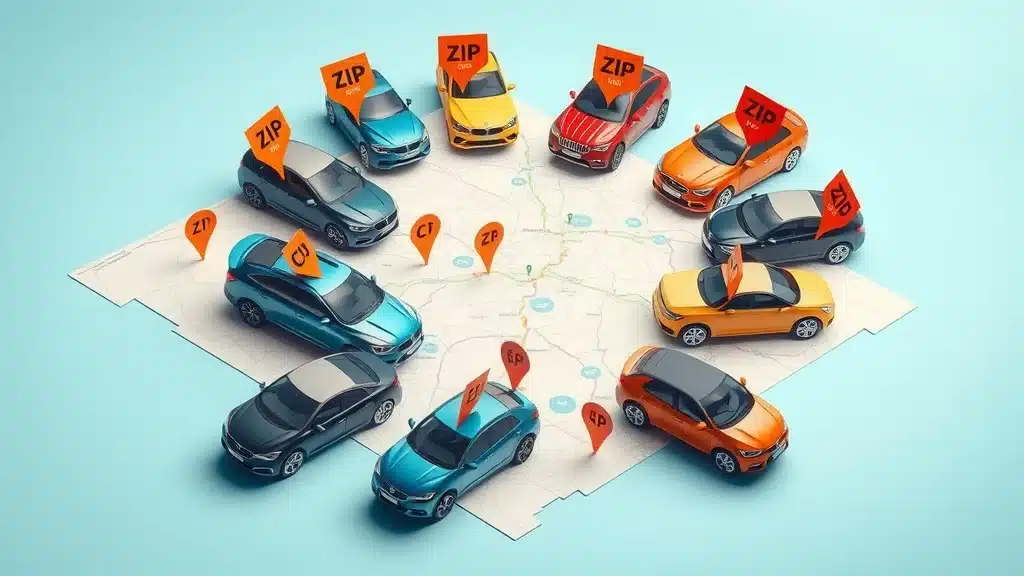
Breakdown of Car Insurance Rate Disparities by Columbia Area
- Downtown Columbia (29201, 29205)
- Suburban/Residential (29206, 29223)
- Student-heavy neighborhoods (29208—USC)
The dividing lines between ZIP codes in Columbia can be surprisingly sharp when it comes to car insurance. Residents in downtown neighborhoods like 29201 and 29205, densely packed with apartments and limited street parking, tend to have higher premiums than those living in suburban enclaves. That’s because claims related to both collisions and thefts tend to spike in these urban cores. By contrast, ZIP codes like 29206 or 29223, known for family homes and less congestion, see notably lower average rates—offering relief for those who can afford the space or are willing to commute further.
Campus-adjacent destinations such as 29208 (the University of South Carolina) have the highest reported rates in Columbia, reflecting both the transient student population and elevated accident statistics. It’s also worth noting that “student” rates often combine higher base premiums with fewer available discounts; not all insurance companies offer special pricing in these areas. The disparities serve as a reminder to check policies and compare options whenever you change neighborhoods within Columbia.
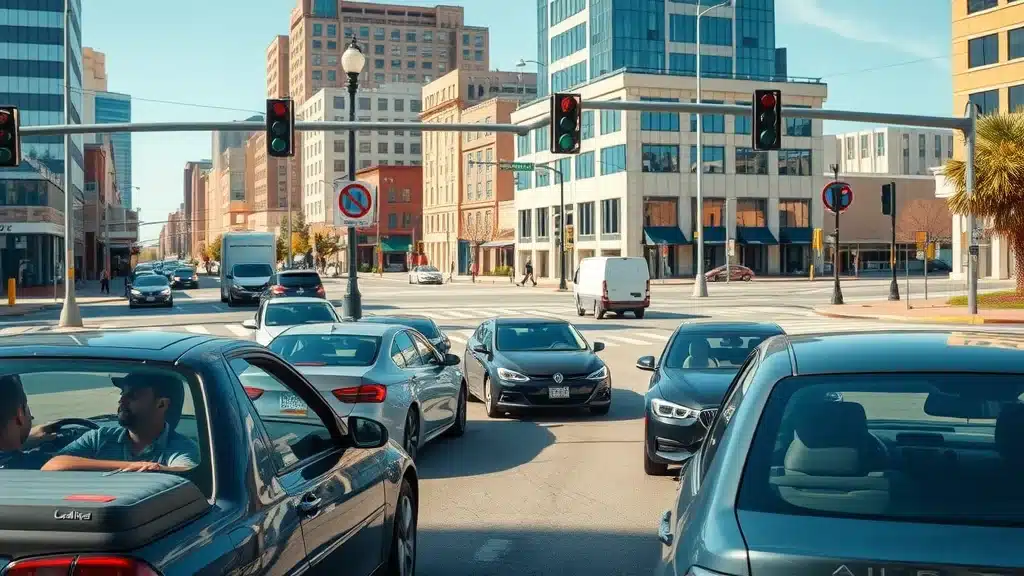
The Role of Local Insurance Companies and Their Pricing Tactics in Columbia, SC
Insurance is a competitive business in Columbia, with both large national carriers and local companies employing sophisticated strategies to balance local risk with profit. How insurance companies calculate your auto insurance premium typically starts with your ZIP code, then drills down to other unique factors: your driving record, age, type of car, and even your claims history. These scores are balanced against company-wide data sets and adjusted according to the company’s own history of claims paid out in your area.
Some local insurers may offer lower rates in certain ZIP codes if they have fewer claims from those areas, while others may hike rates preemptively if they spot trends like increased vandalism or flash flooding. Policyholders who track changes in neighborhood statistics—and who switch insurers to capitalize on favorable pricing trends—often fare better than those who stay with the same carrier for years. The Columbia auto insurance market rewards vigilance, research, and asking smart questions of agents familiar with local variations.
How Insurance Companies Weigh ZIP Code Versus Other Factors
You might be surprised to learn that while ZIP code can heavily influence your starting rate, it’s often not the only deciding variable. Each insurance company uses a proprietary algorithm to weigh factors such as your credit score, driving history, age, marital status, and previous claims. However, in a city like Columbia, where weather risks and traffic patterns shift frequently, your ZIP code can become the tie-breaker between a low and high premium. Some companies place more emphasis on ZIP codes with historically high accident rates, while others may focus on predictors like the average cost of local repairs or the distance to the nearest first responders.
Insurance companies are continually refining their risk models, adding new data sets, and responding to emerging local risks like increased car thefts or storm events. This means the weight of the ZIP code factor is flexible over time—but for most Columbia residents, it remains the single most important location-based variable in the final calculation of your insurance premiums.
Exclusive Insights: Interviews with Local Columbia SC Insurance Brokers
Through interviews with Columbia-based insurance agents, we’ve learned that the biggest jumps in auto insurance premiums occur in neighborhoods with a recent increase in break-ins or auto-related claims. Agents across different carriers agreed that insurance rates are rarely static in Columbia; they rise in response to local events like severe storms, a rash of car thefts, or changes in city infrastructure that alter traffic flows. Students new to Columbia are sometimes shocked to find their rates will be much higher on-campus than five miles outside of town, due to the historically higher claims frequency in campus-adjacent ZIP codes.
“Certain Columbia neighborhoods have historically higher claims frequency, leading to automatically higher car insurance premiums for virtually identical policyholders.” — Local Insurance Expert
Brokers recommend that customers check in regularly—at least annually—to make sure their policy reflects current local risks. They also encourage questions about both discounts and policy adjustments, especially if you’ve recently moved, changed jobs (and commute habits), or made improvements to your car’s anti-theft systems.
In-Depth: How Insurance Premiums Are Calculated in Columbia, SC
Every driver wants to know what goes into the final price tag for their car insurance premium. In Columbia, SC, the calculation boils down to a blend of objective and subjective factors, all filtered through an insurer’s proprietary pricing model. First, the baseline risk is established using your ZIP code, which feeds in local claims statistics, accident rates, crime indexes, and even average property values.
Then, the insurer adds in your individual profile: age, gender, marital status, your driving record (including tickets, accidents, and claims), credit history, and vehicle information. Premiums for comprehensive and full coverage add more complexity, factoring in things like how often you drive, your car’s repair costs, and how likely your model is to be stolen. Insurance companies might also consider trends reported by aggregate providers such as Quadrant Information Services, which benchmark average car insurance pricing across all South Carolina ZIP codes.
Multi-Factor Algorithms: From Driving Record to ZIP Code
Insurance companies leverage advanced algorithms that pull in dozens of data points for each customer, but your ZIP code and driving record always sit near the top of that list. These multi-factor models can adapt to emerging trends, like a spike in car thefts in 29201 or a drop in accidents in 29206 following new traffic controls. The effect? Your premium could rise or fall quickly based on collective claims activity in your block or city, even if you have a clean driving record and excellent credit score.
Columbia drivers should know that the insurance industry has become much more data-rich in recent years, using updated “predictive analytics” to adjust rates dynamically in riskier pockets of the city. This gives them a better chance to “price in” real local risk—and for drivers to proactively save money by minimizing the personal factors under their control (like maintaining a safe driving record and raising their credit score).

South Carolina State Regulations on Car Insurance Rates
South Carolina law requires every driver to carry minimum liability insurance, but it doesn’t set a cap on premiums—leaving rate setting up to the private insurers operating within the state. The South Carolina Department of Insurance oversees market practices to prevent discrimination, but insurers are permitted to use ZIP code, credit score, driving record, and other non-discriminatory factors as part of their underwriting. State regulators may intervene if a company’s pricing model is found to unfairly penalize certain groups, but for most drivers, your neighborhood will legally remain a centerpiece of any rate calculation.
State rules also require transparency in policy documents and fair access to quotes, so if you feel your premium is improperly high, you have the right to shop around or file a complaint. Keep in mind, too, that state averages for minimum coverage and full coverage plans differ—both in protection and cost—depending on claims history and risk profiles unique to Columbia’s neighborhoods.
Typical Insurance Costs by Coverage Level in Columbia, SC
| Coverage Level | Average Annual Premium (Downtown, 29201) | Average Annual Premium (Suburban, 29206) |
|---|---|---|
| State Minimum | $830 | $740 |
| Standard | $1,250 | $1,090 |
| Full/Comprehensive | $1,980 | $1,670 |
Local Risk Elements by ZIP Code: Columbia, SC Case Studies
Real-world events on your street can mean real changes to your auto insurance rate. Case studies in Columbia show flood zones, patterns of petty theft, and traffic accident hot spots all feed into rising rates—and sometimes, after significant city improvements (like new lighting or road redesign), rates may decrease.
If your ZIP code is hit by a major weather event or crime wave, expect local insurers to reprice policies in the next coverage cycle. Policyholders who act fast—updating policies and reviewing claims—can sometimes catch errors before they impact renewal pricing.
Storm Risk and Flood Zones: Insurance Implications
Columbia’s location near rivers and history of severe weather means that flood risks are never far from the minds of local insurance underwriters. Living in a ZIP code with a high risk of flash flooding or storm damage (such as areas near the Congaree River) directly raises insurance premiums, especially for comprehensive or full coverage auto insurance policies.
Insurance companies track claims from past storms and adjust ZIP code risk scores accordingly. If your neighborhood recently suffered costly damage from a hurricane or major storm, expect increases not just in home insurance but also in car insurance premiums as risks of water damage and total losses rise for vehicles parked in low-lying areas.

Crime Rate: Local Break-ins and Car Thefts and Their Effect on Insurance Cost
Car break-ins, vandalism, and auto thefts are some of the most influential local risks driving up car insurance premiums within Columbia ZIP codes. Insurers track crime statistics block by block, and a sudden influx of reports in one neighborhood can prompt insurance companies to raise insurance premiums across all policies in that area—not just for victims, but for every resident. High-theft ZIP codes may see fewer available “safe driver” discounts, or higher deductibles imposed by companies eager to manage risk.
If you’re living in a neighborhood that’s experienced a recent spike in theft or vandalism, check with your agent to see what, if any, anti-theft device discounts are available. Adding extra security could reduce your premium, even in a high-crime ZIP code.

Traffic Patterns and Accident Rates: Comparing Busy Intersections in Columbia
Some of Columbia’s most expensive ZIP codes for auto insurance trace back to dense, high-traffic corridors. Major intersections, like those near Assembly Street downtown or along Garners Ferry Road, see hundreds of daily fender-benders, raising the number of claims insurance companies must pay in those areas. If your address places your car near these hot spots, expect a higher average rate and stricter underwriting from national and local carriers alike.
Conversely, living on a quieter suburban street may qualify you for a lower base premium. Insurance companies regularly update their algorithms with city accident stats, so neighborhoods with recent traffic improvements, new lights, or redesigned intersections may see rates fall at renewal time. This local responsiveness is part of why Columbia insurance rates are so dynamic year-to-year and ZIP code to ZIP code.

The Interplay of Credit Score, Driving Record, and Auto Insurance Rates in Columbia SC
- How insurance companies assess credit scores in South Carolina
- Driving record impact on insurance premium
- Mitigating high-risk factors
While your ZIP code sets the stage, your individual risk profile shapes the rest of your car insurance premium. In South Carolina, both credit score and driving record are tightly linked to what you’ll pay. Insurance companies use credit reports as a predictor of how likely you are to file a claim; a poor score can bump your premiums higher—even in a “cheap” ZIP code. Conversely, a history of on-time payments, clean driving, and few claims can help offset the risk surcharge of living in a high-traffic or high-crime area.
If you’ve been hit with higher premiums, work to raise your credit score, avoid traffic citations, and ask your agent about insurer-specific discounts for clean records or defensive driving courses. These steps not only lower your base rate but can provide much-needed relief if your ZIP code sees a sudden uptick in local risk.
Common Misconceptions About ZIP Codes and Car Insurance Rates in Columbia, SC
- Changing your address to lower your insurance rate
- Moving within Columbia to reduce cost
- Factors insurers actually consider
Many drivers mistakenly believe that changing their address to a lower-cost ZIP code or providing the address of a relative can save them money on their car insurance. In reality, insurance companies require the address where your vehicle is regularly parked. Providing false information can not only lead to higher premiums when discovered but can also result in denied claims or even policy cancellation. It’s also a myth that moving “just one block over” always results in a lower rate; your risk will only decrease if the new address reflects a genuinely safer local environment or lower historical claims rate.
Insurers don’t just look at ZIP codes; they incorporate other factors like the number of claims filed in that area, types of vehicles registered, average cost of property damage, and even the presence of speed cameras. If you’re dissatisfied with your current rate, it’s better to focus on improving your risk profile and shopping for quotes rather than attempting address “hacks. ”
Consequences of Providing the Wrong Address for Car Insurance in Columbia SC
Legal and Financial Risks of Misreporting Address
If you deliberately supply an incorrect address (a practice known as “rate evasion”) to get a lower premium, you risk more than just future price hikes. South Carolina insurance law allows carriers to cancel your policy for material misrepresentation, sometimes retroactively. That means you could be left without coverage—and possibly face penalties if caught driving without valid insurance, exposing you to personal liability in an accident.
Insurance companies routinely verify addresses through DMV records, vehicle registrations, and claims submissions. Being transparent with your insurer is not just the right thing to do—it’s essential for maintaining uninterrupted coverage and legal compliance.
Impact on Claims Processing and Insurance Premiums
Even if your carrier doesn’t cancel your policy outright, providing the wrong address can cause headaches if you need to file a claim. If an insurer discovers your vehicle is regularly kept somewhere other than the address on your policy, they may deny coverage altogether, leaving you to cover damages out-of-pocket. This can be ruinous after a major accident or theft. Additionally, rate corrections after the fact typically result in higher premiums, sometimes backdated to your original policy start date.
The bottom line: always use your actual, current address for your car insurance policy to avoid costly mistakes and ensure full protection when you need it most.
How to Get More Affordable Car Insurance Rates in Any Columbia SC ZIP Code
- Comparing multiple insurance companies
- Evaluating deductibles and coverage levels
- Improving your driving record and credit score
- Taking advantage of local discounts (e.g., university-affiliated, safe driver)
You can’t always control where you live—but you can control other variables that feed into your car insurance premium. The best first step is to gather quotes from at least three different carriers—rates for otherwise identical profiles can vary by hundreds of dollars simply due to different underwriting practices and ZIP code weighting. If your budget is tight, consider raising your deductible (but be careful to maintain a level you can realistically afford in case of a claim).
Keep your driving record clean, pay bills on time to improve your credit score, and don’t forget to ask about discounts specific to Columbia residents, like safe driver, university employee/student, or bundled policy savings. Small differences can add up, especially if you check rates every renewal cycle or after any major life change (moving, new job, family additions, etc. ).
Checklist: Steps to Review Your Car Insurance Policy in Columbia, SC
- Confirm coverage levels and deductibles
- Check listed address and ensure accuracy
- Request updated car insurance rate quotes annually
- Consult local agents for region-specific factors
- File necessary address updates with your insurance company
Reviewing your policy each year—especially after any move or life change—fends off surprises when it’s time to file a claim. Local agents are a great resource for understanding new risks tied to your ZIP code, so don’t hesitate to reach out for a second opinion.
People Also Ask About ZIP Code and Car Insurance in Columbia SC
Does zip code change price on insurance?
Answer: Yes, your zip code plays a significant role in determining your car insurance rates in Columbia, SC. Insurers assess risk factors based on locality, including accident rates, crime statistics, and claims frequency, all of which vary by ZIP code.
What is the cheapest car insurance in Columbia SC?
Answer: The cheapest car insurance in Columbia, SC typically comes from comparing quotes among regional and national insurers. Rates can vary significantly by ZIP code and driver profile, so the most affordable provider for you may depend on your unique circumstances.
Does your location affect your car insurance?
Answer: Absolutely. Where you live in Columbia, SC—including your street and ZIP code—directly influences your car insurance premium due to local risk factors like crime, weather events, and population density.
Does it matter what address you use for car insurance?
Answer: Yes, the address listed on your policy must reflect where your vehicle is primarily kept. Using an incorrect or outdated address can lead to denied claims or policy cancellation.
FAQs About ZIP Code and Car Insurance in Columbia SC
- Does moving neighborhoods in Columbia always change your car insurance rate?
Not necessarily, but in most cases, even short-distance moves can alter your insurance premium if the new ZIP code has a different claims, crime, or risk profile. - How often do insurance companies update rates for ZIP codes?
Many companies update their underlying risk data and rate tables yearly or after major local risk changes (e.g., storm, increased crime rates). - Can students at USC get special rates?
Some insurers offer limited discounts for students or young drivers, but rates tend to be higher in campus-adjacent ZIP codes due to higher claims risk. - Are rural Columbia ZIP codes cheaper than urban ones?
Typically, yes. Less congestion, lower crime, and fewer claims generally result in lower premiums outside Columbia’s core ZIP codes. - What role does storm/flood risk play in my premium calculation?
Living in a known flood or storm risk zone will increase your premium, especially for comprehensive auto insurance, due to the likelihood of vehicle damage from weather events.
Key Takeaways for Columbia SC Drivers: ZIP Code & Car Insurance Rates
- Your ZIP code significantly affects your car insurance rates in Columbia, SC.
- Local risks—like crime, traffic, and storm frequency—are major pricing factors.
- Accurate address reporting is critical to maintain valid coverage and claims protection.
- Comparing rates here matters: small moves within Columbia can mean big differences in what you pay.
Further Reading and Data Sources on Car Insurance Rates in Columbia, SC
- South Carolina Department of Insurance statistics – https://doi.sc.gov/
- National Association of Insurance Commissioners reports – https://content.naic.org/
- Local university research (USC) on urban risk and insurance premiums – https://www.sc.edu/
Get Car Insurance In Columbia Nowhttps://insuranceshoppingexperts.com/columbia-sc-car-insurance/
Conclusion: Why Knowing How Your ZIP Code Affects Your Car Insurance Rate Empowers You
Understanding how your ZIP code shapes your car insurance cost lets you make smarter choices as a Columbia driver—from policy shopping to proactive risk management—ensuring you’re always covered, no matter where you call home.
Your ZIP code significantly influences your car insurance rates in Columbia, SC. Insurers assess various factors within your area, such as traffic density, accident rates, crime statistics, and environmental risks, to determine premiums. For instance, urban areas with higher traffic and crime rates often face increased insurance costs compared to suburban regions. (insurancepanda. com) In Columbia, specific ZIP codes exhibit notable differences in insurance premiums. For example, ZIP codes like 29223, 29229, 29203, and 29210 are among the most expensive due to factors like higher population density and increased traffic congestion. Conversely, ZIP codes such as 29222, 29204, 29206, and 29201 tend to have lower premiums, reflecting their suburban nature and lower risk profiles. (caranddriver. com) Beyond location, other personal factors also impact your insurance rates. A clean driving record can lead to lower premiums, while a history of violations or accidents may increase costs. Additionally, your credit score plays a role; higher scores often result in more favorable rates. The type of vehicle you drive and the coverage levels you choose further influence your premiums. (insuranceshoppingexperts. com) To manage and potentially reduce your car insurance costs in Columbia, consider the following strategies: Compare Multiple Insurance Companies: Shopping around allows you to find the best rates tailored to your specific circumstances. Evaluate Deductibles and Coverage Levels: Adjusting these can help balance your premium and out-of-pocket expenses. Maintain a Clean Driving Record: Avoiding violations and accidents can lead to lower premiums over time. Improve Your Credit Score: Higher credit scores are often associated with lower insurance rates. Take Advantage of Local Discounts: Look for discounts related to safe driving, bundling policies, or affiliations with local organizations. By understanding how your ZIP code and personal factors affect your car insurance rates, you can make informed decisions to optimize your coverage and costs.