
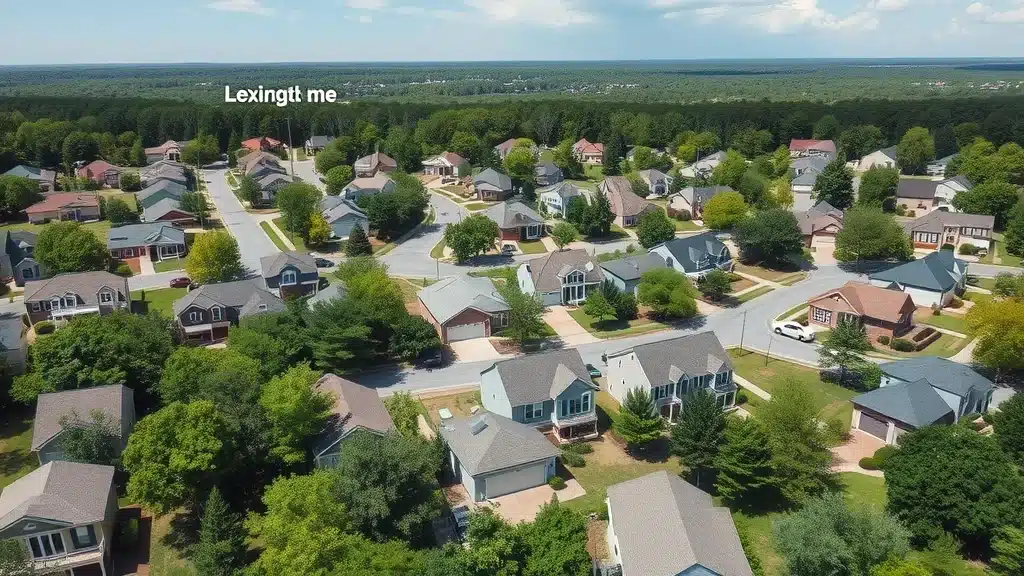
Did you know that South Carolina is one of the most earthquake-prone states east of the Mississippi, and yet many Lexington homeowners are unaware of a major gap in their insurance coverage? In this comprehensive guide, we’ll explore if and how your homeowners insurance covers earthquake damage in Lexington, SC. You’ll gain practical knowledge about how to protect your home, your personal property, and your peace of mind against unexpected seismic events.
Understanding Earthquake Coverage: Essential Insights for Lexington, SC Homeowners
Earthquake coverage remains an often-overlooked aspect of home protection in Lexington, SC, but recent events have shown it’s more relevant than ever. For many homeowners, distinguishing between standard homeowners insurance and specialized earthquake insurance is vital. Most homeowners insurance policies do not cover earthquake damage, which means that in the event of a tremor, property losses, repairs, and additional living expenses may not be reimbursed unless you carry a separate or add-on earthquake insurance policy.
In this article, you’ll discover how earthquake insurance supplements standard coverage, learn about policy inclusions and exclusions, and understand how to evaluate your risk and available options as a Lexington homeowner. The steps to add or improve your earthquake protection will empower you to make confident insurance decisions in a region where seismic activity is a genuine concern.
- How earthquake coverage works in Lexington, SC
- Differences between homeowners insurance and earthquake insurance
- Typical inclusions and exclusions
- How to evaluate your risk and policy options
- Steps to add or enhance coverage
Why Earthquake Coverage Matters: Surprising Statistics & Insights
According to the U.S. Geological Survey, South Carolina ranks among the most earthquake-prone states east of the Mississippi.
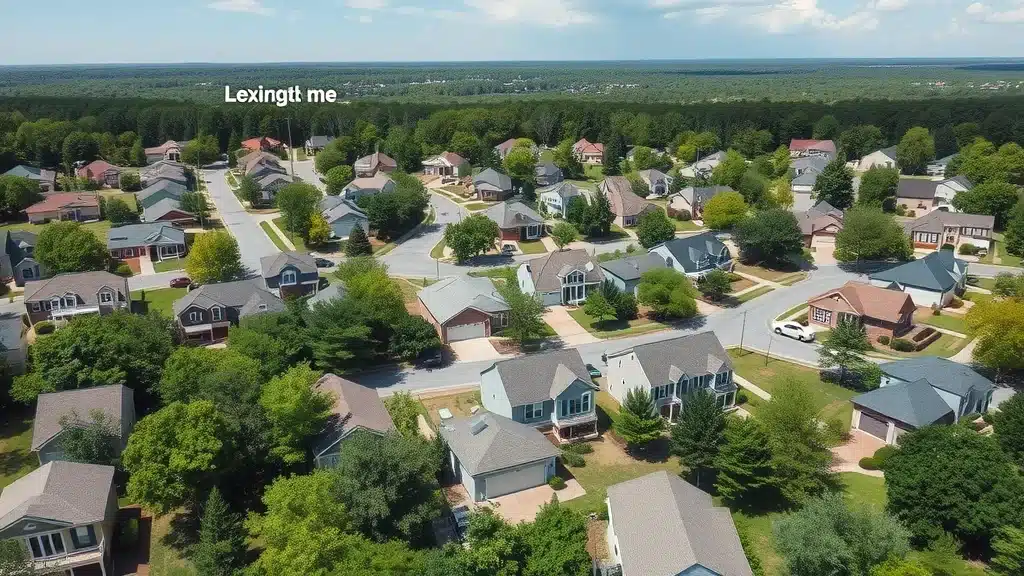
- Key facts: South Carolina has experienced a series of moderate and minor earthquakes over the past decades, with the Charleston region historically recording the largest earthquake in eastern United States history (1886).
- Recent history: Local seismic activity has increased awareness and scrutiny of earthquake insurance needs across Lexington and the Midlands.
- Geological survey data: Maps and studies reveal that portions of Lexington are located near regional fault lines, making the need for earthquake coverage both practical and timely for homeowners.
How Standard Homeowners Insurance Addresses Earthquake Damage
Homeowners Insurance: Does It Cover Earthquake Damage?
A standard homeowners insurance policy protects against a variety of perils, such as fire damage, theft, and windstorms, but rarely covers earthquake damage. Earthquake insurance is considered a separate line of coverage, sometimes offered as an endorsement or as a standalone policy. Without this additional protection, expenses from cracked foundations, collapsed walls, or ruined belongings due to an earthquake must be handled out-of-pocket.
- Definitions: Homeowners insurance covers regular perils, while earthquake insurance specifically covers seismic losses.
- Without earthquake insurance: Homeowners are left to fund costly repairs themselves after an event.
- Exclusions: Typical policies explicitly exclude Earthquake damage, except in rare provisions or special bundles.

Earthquake Damage: Common Exclusions
Standard homeowners policies may cover limited “ensuing” losses—like fire that results from an earthquake—but they do not extend to repairs for the earthquake itself. Damage to personal property, such as electronics and important documents, may also be excluded, leaving a gap in your financial security after a seismic event.
- Structure vs. personal property: Your home’s structure and attached garages usually require earthquake coverage for protection.
- Uncovered scenarios: Losses from foundation cracks, chimney damage, or ground movement are often denied without earthquake insurance.
- Living expenses: After a major earthquake, the cost of staying elsewhere may not be reimbursed under most standard homeowners policies.
Earthquake Insurance Policies: What They Cover and Why You May Need One
Earthquake Insurance Policies Explained
Earthquake insurance policies are designed to fill the coverage void left by standard homeowners insurance. These specialized plans directly address the destruction and disruption that earthquakes can inflict on Lexington homes. They cover structural damage, loss of valuables, and often, the living expenses required to relocate after a disaster.
- Supplemental protection: Earthquake insurance augments your home insurance, ensuring you’re reimbursed for seismic losses.
- Covered losses: Policies usually address structural repair, personal property replacement, and temporary housing.
Personal Property, Structural, and Additional Living Expenses
Earthquake coverage often extends to three key areas: structural repair, personal property, and additional living expenses. Each aspect is essential for recovering financially and maintaining daily life if your home is significantly damaged.
- Personal property: Earthquake insurance generally insures valuable contents, but may have specific limitations, such as lower coverage for expensive jewelry or electronics.
- Home repair: Policies typically cover the cost to repair or rebuild damaged structures, including attached garages.
- Temporary relocation: Many plans help cover hotel stays or rent if your house becomes unlivable due to a quake.

Comparing Earthquake Insurance to Standard Homeowners Insurance Policies
| Coverage Feature | Standard Homeowners Insurance | Earthquake Insurance |
|---|---|---|
| Structural Damage | No | Yes |
| Personal Property Coverage | Limited | Yes |
| Additional Living Expenses | Sometimes | Yes |
| Covered Natural Events | Fire, wind, theft | Earthquake, aftershocks |
- Pros and cons: Standard homeowners policies may offer lower premiums, but fail to cover unique earthquake risks. Earthquake insurance, while carrying higher deductibles, provides essential protection in a major quake.
- Layering coverage: Policyholders can “layer” earthquake coverage on top of their existing insurance for maximum protection.

Assessing Earthquake Risk in Lexington, SC
To make an informed insurance decision, Lexington homeowners should consider their property’s earthquake risk. Geological surveys and fault line mapping provided by agencies such as the U. S. Geological Survey help determine risk zones, while the area’s history of seismic events, although less frequent than California, demonstrates that serious earthquakes are possible.
- Geological surveys: Studies identify whether your home is near a fault line or at risk for severe ground shaking.
- United States trends: South Carolina’s seismic history proves that earthquake hazards aren’t limited to the West Coast.
- Property location: Knowing if your Lexington home is near a regional fault line will help determine your insurance needs and premium levels.
“Earthquake risk is not just a West Coast phenomenon. Even areas like Lexington, SC, can experience damaging temblors.” – Insurance Expert
How Much Does Earthquake Coverage Cost in Lexington, SC?
Factors Affecting the Cost of Earthquake Insurance
The price of earthquake insurance in Lexington, SC can vary based on several key factors. The value and construction type of your home, your home’s distance from a local fault line, and your choice of deductible play significant roles. Higher-value homes or those built on less stable soil will usually pay more for comprehensive earthquake coverage.
- House value and construction type
- Proximity to a fault line
- Level of selected deductible
| Coverage Level | Annual Premium (Est.) | Deductible |
|---|---|---|
| Basic | $300-500 | 5% |
| Enhanced | $600-900 | 10% |
| Premium | $1,000+ | 15% |
“It’s common to see deductibles range from 5% to 15% of the home’s insured value, so choosing the right level is crucial.” – Local Insurance Agent

How to Add Earthquake Coverage to Your Homeowners Insurance Policy
- Consult with your insurance agent to verify whether your current policy includes or excludes earthquakes.
- Compare earthquake insurance policies across leading providers for coverage details, premiums, and deductibles.
- Ask specific questions about exclusions, the calculation of deductibles, and the process for filing claims after an earthquake.
“Don’t assume your current homeowners insurance covers earthquakes. Always confirm and ask about endorsements.”
Notable Providers and Resources for Earthquake Coverage in Lexington, SC
- Leading private insurers such as State Farm, Allstate, and Nationwide provide earthquake insurance or add-ons in Lexington.
- FEMA (Federal Emergency Management Agency) and state-level emergency agencies offer disaster resources but do not replace private insurance coverage.
- The California Earthquake Authority (CEA) serves as an example for other states but does not write policies in South Carolina; still, its resources and recommendations may help inform your emergency preparedness.

Earthquake Deductibles: What Lexington, SC Homeowners Should Know
Understanding the 5% Earthquake Deductible
Earthquake insurance policies typically use a percentage-based deductible, which means you must pay a percentage of your home’s insured value before coverage kicks in. For example, with a 5% deductible on a $400,000 policy, you would pay the first $20,000 of earthquake damage, and the insurer would cover losses above that amount.
- Deductibles function as your “skin in the game”—the higher the deductible, the lower the annual premium, but potentially more out-of-pocket after a disaster.
- Calculating your expected expenses after a quake helps you make smart decisions about coverage levels and budgeting for emergencies.
The Claims Process: Filing for Earthquake Damage
- Document all damage immediately: Take photos, videos, and notes about home and personal property losses.
- Your insurance agent’s role: They will guide you through submitting the claim, often performing onsite visits and explaining the timeline for approval and payment.
- Resolution timeline: While every insurance company differs, the claim process for earthquake damage typically ranges from a few weeks to several months, depending on the complexity of assessed losses.

Common Mistakes When Choosing Earthquake Insurance in Lexington, SC
- Underestimating earthquake risk: Many believe the threat is negligible outside of California, which is not accurate for South Carolina.
- Overlooking deductibles and coverage limits: Not understanding how much you’ll need to pay out-of-pocket can create financial surprises at claim time.
- Assuming all insurers offer adequate earthquake policies: Coverage can vary widely by company and region, so check the details.
- Not reviewing renewal terms: Terms, premiums, and exclusions may change from year to year; always read your updated insurance policies before renewal.
Protecting Your Personal Property and Reducing Earthquake Damage
- Strengthen your home: Secure foundations, chimneys, and major appliances; retrofit older structures to improve resistance to tremors.
- Secure valuables: Store important documents in fireproof, waterproof safes and anchor items like televisions and bookshelves.
- Maintain a home inventory: A digital or written inventory list helps streamline insurance claims and ensures you do not overlook covered personal property after a disaster.
- Real stories: Homeowners in Lexington share their claims experiences during recent seismic events and how appropriate earthquake coverage made recovery possible.
- Agent perspectives: Local insurance agents discuss policy details, lessons learned, and how to reduce coverage gaps in light of Lexington’s measurable earthquake risk.
People Also Ask: Earthquake Coverage Questions
What does earthquake coverage cover?
- Earthquake coverage typically pays for damages to your home’s structure and attached garages, loss or damage to personal property, and often, additional living expenses if your house is uninhabitable after an earthquake. Unlike typical homeowners insurance, it is designed for seismic-specific claims and can be tailored for your needs.
How much does it cost to insure a $400,000 house?
- Earthquake insurance premiums for a $400,000 home in Lexington, SC generally range from $600 to $1,200 a year. The exact price depends on your deductible, your home’s construction, and how close you are to a regional fault line.
What is not covered by earthquake insurance?
- Common exclusions include pre-existing damage, flood damage resulting from post-earthquake events, loss of land value, vehicles, and detached structures that are not specified in the policy. It’s always wise to review your insurance cover in detail with your agent.
What is the 5% earthquake deductible?
- A 5% earthquake deductible means the first 5% of your home’s insured value is your responsibility. On a $400,000 home, this is $20,000—only losses exceeding that are covered by your policy.
FAQs: Earthquake Insurance and Homeowners Insurance Policies
- Can I buy earthquake coverage as an add-on? Yes, most insurance companies offer earthquake endorsements that you can add to your homeowners policy.
- Will FEMA assist with earthquake damage if I don’t have earthquake insurance? FEMA usually provides limited grants and low-interest loans after a disaster, but this assistance does not replace having robust private insurance for full recovery.
- Who regulates earthquake insurance policies in South Carolina? The South Carolina Department of Insurance oversees the regulation of earthquake policies for all insurers operating within the state.
Key Takeaways for Lexington, SC Homeowners on Earthquake Coverage
- Standard homeowners insurance typically does not include earthquake coverage.
- Earthquake insurance policies are essential for comprehensive protection against seismic risk.
- Evaluate your regional risk using local and federal geologic data before choosing a policy.
- Understand how policy deductibles and limits impact your ability to recover after a quake.
Ready to Protect Your Home? Find the Right Home Insurance in Lexington, SC
- Explore the most competitive earthquake insurance policies available.
- Speak with a trusted insurance agent about tailoring coverage for your Lexington property.
- Compare policies today: Home Insurance In Lexington SC
Conclusion
Earthquake coverage is a smart investment for Lexington, SC homeowners seeking to close coverage gaps and protect their personal property and homes from seismic risks. Don’t wait—review your insurance policies and enhance your coverage today!
Sources
- U.S. Geological Survey – https://www.usgs.gov/
- South Carolina Department of Insurance – https://doi.sc.gov/
- FEMA: Earthquake Preparedness – https://www.ready.gov/earthquakes
- California Earthquake Authority – https://www.earthquakeauthority.com/
Understanding earthquake insurance is crucial for homeowners in Lexington, SC, given the region’s seismic activity. The South Carolina Department of Insurance provides a comprehensive guide titled “Are You Covered for an Earthquake?” This resource details the necessity of separate earthquake coverage, as standard homeowners policies typically exclude earthquake damage. It also explains deductible structures and offers steps to take if your property sustains earthquake damage. (doi. sc. gov) Additionally, the South Carolina Emergency Management Division offers valuable insights in their “Contacts and Resources” section. This page emphasizes the state’s moderate to high earthquake risk and outlines reasons to consider earthquake insurance, including potential financial impacts and coverage details. It also provides information on the SC Emergency Manager App, which can help homeowners stay informed about seismic activity and preparedness measures. (earthquake. sc) For a broader perspective, Kiplinger’s article “Should You Get Earthquake Insurance?” discusses the importance of earthquake insurance for U. S. residents in seismically active areas. It highlights that standard home insurance typically excludes earthquake-related damages, necessitating separate policies. The article also covers factors influencing insurance costs and the potential financial consequences of not having coverage. (kiplinger. com) If you’re serious about protecting your home and finances from earthquake damage, these resources will provide you with the necessary information to make informed decisions about your insurance coverage.