
Does Your ZIP Code Affect Car Insurance Rates in Columbia SC?

Shoppy Columbia SC Insurance
A group of four young professionals discusses documents at a table, with a colorful map of various counties superimposed in the center of the image.

Startling fact: Drivers living just a few blocks apart in Columbia, SC can pay over $400 more every year for car insurance, simply because of their ZIP code. It’s not just a detail on your driver’s license—where you live is one of the top factors insurance companies consider when setting your rates. In this comprehensive guide, we show you exactly why your neighborhood matters so much and how you can take control of your car insurance costs.

Startling Facts: How ZIP Codes Shape Car Insurance Rates in Columbia SC

Whether you realize it or not, your ZIP code can have a profound impact on your car insurance rate in Columbia, SC. Statistically, insurers have found significant differences between neighborhoods when it comes to traffic accidents, car thefts, storm risks, and even the average cost to repair vehicles. For instance, data collected from various information services shows that residents in certain Columbia ZIP codes routinely face higher premiums, sometimes exceeding the national average by several hundred dollars per year. Insurers argue that these differences are tied to local risk factors such as population density, crime rates, proximity to busy intersections, and exposure to weather-related damages.

For Columbia drivers, this means that moving from one ZIP code to another—sometimes just a few streets away—may cause your car insurance premium to spike or drop unexpectedly. Insurance companies rely on complex algorithms that weigh a variety of hyper-local data points. Neighborhoods near the University of South Carolina (USC) or within storm-prone flood zones might see higher insurance costs due to increased claims frequency, while suburban ZIP codes with fewer break-ins and lower accident rates could benefit from more affordable coverage. Understanding these local nuances is essential for every policyholder aiming to save money and secure the best possible terms on their auto insurance policy.

Insightful map of Columbia, SC divided by colorful ZIP code regions. Residents depicted with thoughtful expressions, some holding car keys or insurance papers, styled as photorealistic set in a modern digital workspace with subtle infographics, emphasizing car insurance rates by ZIP code.

“Did you know that drivers in Columbia, SC may pay over $400 more per year for car insurance, based solely on their ZIP code? Location isn’t just a line on your license—it’s a key factor in how insurance rates are calculated.”

What You’ll Learn About Car Insurance Rate Factors in Columbia, SC

  • How your ZIP code directly impacts car insurance rates in Columbia, SC.
  • Key local factors—like traffic, crime, and weather—that influence insurance premiums.
  • How insurance companies assess risk in different parts of Columbia.
  • Strategies for managing insurance costs regardless of where you live.

Analytical insurance agent reviewing car insurance policy with local Columbia SC map, pointing at different ZIP code areas in a bright, tidy office, discussing how insurance rates are affected by location.

Understanding How ZIP Code Influences Car Insurance Rates in Columbia SC

When you wonder, “does your zip code affect car insurance rates in Columbia SC?” the answer is a resounding yes. Insurers are data-driven: they consider where your vehicle spends the night and the surrounding risks in that neighborhood. These risks aren’t limited to how you drive or what car you own—they’re intricately linked to environmental and social factors associated with each ZIP code. When a policyholder applies for car insurance, the company will use their residential ZIP code as a primary data point to establish the base risk of insuring that driver. This localized evaluation enables insurance carriers to tailor pricing that accurately reflects the frequency and severity of claims tied to specific areas within Columbia.

Because Columbia’s neighborhoods vary widely—ranging from bustling city centers to quieter suburbs—there’s no such thing as a standard auto insurance rate across the city. Instead, everything from the density of street parking, local accident statistics, proximity to major routes, and even the percentage of insured versus uninsured drivers is factored into your insurance premium. The continual reshaping of urban and suburban landscapes means these calculations are constantly updated, sometimes annually, to reflect current risks. Whether you live in the heart of downtown or in a student-heavy residential block, your ZIP code is a central piece of the insurance puzzle.

Why Car Insurance Companies Use ZIP Codes in Rate Calculations

Insurance companies use ZIP codes as part of their risk assessment process because claims patterns tend to cluster geographically. For example, certain areas may have higher property crime, leading to more theft or vandalism claims, while others may be prone to fender-benders during rush hour. ZIP codes provide a concise way for insurers to group similar risks and more accurately predict the likelihood of future claims—which is the key to setting fair (and profitable) rates. This approach is not unique to Columbia or even South Carolina, but local factors make the impact pronounced here.

To insurers, a ZIP code is much more than a mailing address. It represents access to accident data, crime rates, storm risk, population density, and even nuances like road quality or vehicle ownership patterns. When gathering quotes for auto insurance, you may notice your base rate changes immediately once you enter a different ZIP code, even if all other personal details remain the same. This practice helps keep insurance companies solvent by ensuring they collect enough in premiums to cover claims from those “higher-risk” ZIP code clusters.

Columbia, SC: Local Concerns That Affect Insurance Premiums

  • Neighborhood demographics
  • Crime statistics
  • Traffic congestion
  • Proximity to universities (such as USC)
  • Storm and flood risk

Columbia’s reputation as both a state capital and a bustling college town brings its own set of challenges for drivers seeking affordable car insurance. Higher population densities in downtown areas typically translate to increased traffic congestion, which heightens the risk of accidents and fender benders, especially near intersections synonymous with rush-hour gridlock. Nearby student-heavy communities experience a higher volume of inexperienced drivers, which may boost claims related to collisions and property damage.

Additionally, certain neighborhoods are more susceptible to theft and vandalism, both of which lead insurers to set higher insurance premiums for policyholders in those ZIP codes. Proximity to flood zones or storm-prone areas around the Congaree River also means elevated risks for weather-related claims. Each of these factors gets plugged into the insurer’s complex pricing models, resulting in rates that may appear arbitrary, but which are in fact calculated from detailed, zip-code-specific risk assessments made by data analysts and local experts.

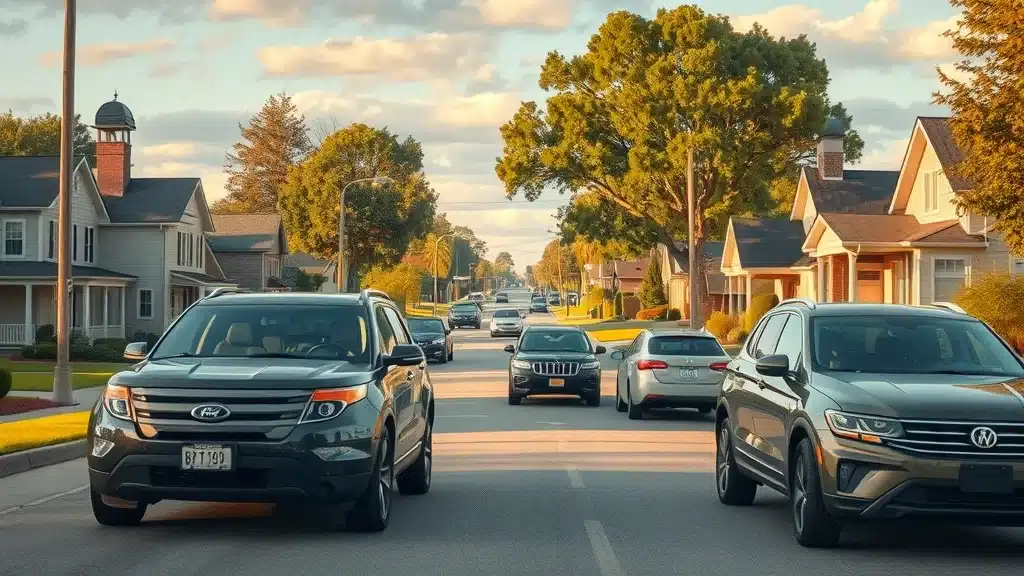
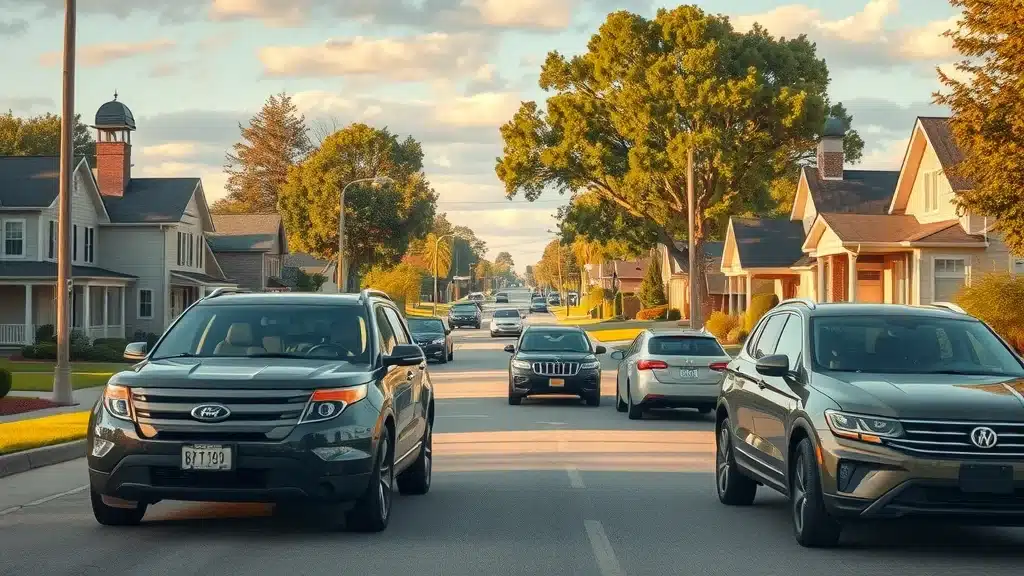
Neighborhood street scene in Columbia, SC with residents walking near parked cars and brick houses, reflecting the diverse local factors that affect car insurance premiums by ZIP code.

Comprehensive List: Key Factors Affecting Car Insurance Premiums in Columbia SC

  • ZIP code and local risks
  • Driving record and claims history
  • Credit score
  • Vehicle type and usage
  • Average cost of repairs in the area
  • Insurance company underwriting practices

While ZIP code plays a central role, it’s hardly the only factor at play in determining your car insurance premium in Columbia, SC. A clean driving record can help offset some of the cost increases from living in a higher-risk neighborhood, as can maintaining a strong credit score—another key element that insurers in South Carolina weigh heavily. Your claims history also comes under the microscope; recent accidents or tickets keep your rates elevated—even in a “safer” area.

The type of car you drive also matters: newer, more expensive, or sporty vehicles generally cost more to insure, as do those frequently targeted for theft or costly to repair locally. Meanwhile, the way an insurance company structures its risk models—including their own claims experience in certain ZIP codes—can mean significant premium differences between companies, even for otherwise identical policyholders. Local drivers who actively compare quotes, shop their coverage, and maintain safe driving habits are best positioned to save money on their auto insurance rates regardless of neighborhood.

Comparing Car Insurance Rates by ZIP Code in Columbia, SC

Sample Average Car Insurance Rates in Popular Columbia ZIP Codes
ZIP Code Neighborhood Type Average Annual Premium
29201 Downtown/Urban Core $1,980
29205 Downtown/Student Area $1,930
29206 Suburban/Residential $1,670
29223 East Suburban $1,770
29208 USC Campus/Student $2,010

Infographic of cars grouped by Columbia, SC ZIP code price ranges, showing the differences in car insurance rates with a creative, photorealistic arrangement atop a simplified city map.

Breakdown of Car Insurance Rate Disparities by Columbia Area

  • Downtown Columbia (29201, 29205)
  • Suburban/Residential (29206, 29223)
  • Student-heavy neighborhoods (29208—USC)

The dividing lines between ZIP codes in Columbia can be surprisingly sharp when it comes to car insurance. Residents in downtown neighborhoods like 29201 and 29205, densely packed with apartments and limited street parking, tend to have higher premiums than those living in suburban enclaves. That’s because claims related to both collisions and thefts tend to spike in these urban cores. By contrast, ZIP codes like 29206 or 29223, known for family homes and less congestion, see notably lower average rates—offering relief for those who can afford the space or are willing to commute further.

Campus-adjacent destinations such as 29208 (the University of South Carolina) have the highest reported rates in Columbia, reflecting both the transient student population and elevated accident statistics. It’s also worth noting that “student” rates often combine higher base premiums with fewer available discounts; not all insurance companies offer special pricing in these areas. The disparities serve as a reminder to check policies and compare options whenever you change neighborhoods within Columbia.

Urban downtown intersection in Columbia, SC with cars waiting at a busy intersection, diverse drivers, and iconic buildings, illustrating how local traffic patterns shape car insurance rates by ZIP code.

The Role of Local Insurance Companies and Their Pricing Tactics in Columbia, SC

Insurance is a competitive business in Columbia, with both large national carriers and local companies employing sophisticated strategies to balance local risk with profit. How insurance companies calculate your auto insurance premium typically starts with your ZIP code, then drills down to other unique factors: your driving record, age, type of car, and even your claims history. These scores are balanced against company-wide data sets and adjusted according to the company’s own history of claims paid out in your area.

Some local insurers may offer lower rates in certain ZIP codes if they have fewer claims from those areas, while others may hike rates preemptively if they spot trends like increased vandalism or flash flooding. Policyholders who track changes in neighborhood statistics—and who switch insurers to capitalize on favorable pricing trends—often fare better than those who stay with the same carrier for years. The Columbia auto insurance market rewards vigilance, research, and asking smart questions of agents familiar with local variations.

How Insurance Companies Weigh ZIP Code Versus Other Factors

You might be surprised to learn that while ZIP code can heavily influence your starting rate, it’s often not the only deciding variable. Each insurance company uses a proprietary algorithm to weigh factors such as your credit score, driving history, age, marital status, and previous claims. However, in a city like Columbia, where weather risks and traffic patterns shift frequently, your ZIP code can become the tie-breaker between a low and high premium. Some companies place more emphasis on ZIP codes with historically high accident rates, while others may focus on predictors like the average cost of local repairs or the distance to the nearest first responders.

Insurance companies are continually refining their risk models, adding new data sets, and responding to emerging local risks like increased car thefts or storm events. This means the weight of the ZIP code factor is flexible over time—but for most Columbia residents, it remains the single most important location-based variable in the final calculation of your insurance premiums.

Exclusive Insights: Interviews with Local Columbia SC Insurance Brokers

Through interviews with Columbia-based insurance agents, we’ve learned that the biggest jumps in auto insurance premiums occur in neighborhoods with a recent increase in break-ins or auto-related claims. Agents across different carriers agreed that insurance rates are rarely static in Columbia; they rise in response to local events like severe storms, a rash of car thefts, or changes in city infrastructure that alter traffic flows. Students new to Columbia are sometimes shocked to find their rates will be much higher on-campus than five miles outside of town, due to the historically higher claims frequency in campus-adjacent ZIP codes.

“Certain Columbia neighborhoods have historically higher claims frequency, leading to automatically higher car insurance premiums for virtually identical policyholders.” — Local Insurance Expert

Brokers recommend that customers check in regularly—at least annually—to make sure their policy reflects current local risks. They also encourage questions about both discounts and policy adjustments, especially if you’ve recently moved, changed jobs (and commute habits), or made improvements to your car’s anti-theft systems.

In-Depth: How Insurance Premiums Are Calculated in Columbia, SC

Every driver wants to know what goes into the final price tag for their car insurance premium. In Columbia, SC, the calculation boils down to a blend of objective and subjective factors, all filtered through an insurer’s proprietary pricing model. First, the baseline risk is established using your ZIP code, which feeds in local claims statistics, accident rates, crime indexes, and even average property values.

Then, the insurer adds in your individual profile: age, gender, marital status, your driving record (including tickets, accidents, and claims), credit history, and vehicle information. Premiums for comprehensive and full coverage add more complexity, factoring in things like how often you drive, your car’s repair costs, and how likely your model is to be stolen. Insurance companies might also consider trends reported by aggregate providers such as Quadrant Information Services, which benchmark average car insurance pricing across all South Carolina ZIP codes.

Multi-Factor Algorithms: From Driving Record to ZIP Code

Insurance companies leverage advanced algorithms that pull in dozens of data points for each customer, but your ZIP code and driving record always sit near the top of that list. These multi-factor models can adapt to emerging trends, like a spike in car thefts in 29201 or a drop in accidents in 29206 following new traffic controls. The effect? Your premium could rise or fall quickly based on collective claims activity in your block or city, even if you have a clean driving record and excellent credit score.

Columbia drivers should know that the insurance industry has become much more data-rich in recent years, using updated “predictive analytics” to adjust rates dynamically in riskier pockets of the city. This gives them a better chance to “price in” real local risk—and for drivers to proactively save money by minimizing the personal factors under their control (like maintaining a safe driving record and raising their credit score).

Insurance data analyst at computer reviewing risk algorithms for Columbia SC ZIP codes, displaying digital charts and city risk maps, discussing the role of ZIP codes in insurance premiums.

South Carolina State Regulations on Car Insurance Rates

South Carolina law requires every driver to carry minimum liability insurance, but it doesn’t set a cap on premiums—leaving rate setting up to the private insurers operating within the state. The South Carolina Department of Insurance oversees market practices to prevent discrimination, but insurers are permitted to use ZIP code, credit score, driving record, and other non-discriminatory factors as part of their underwriting. State regulators may intervene if a company’s pricing model is found to unfairly penalize certain groups, but for most drivers, your neighborhood will legally remain a centerpiece of any rate calculation.

State rules also require transparency in policy documents and fair access to quotes, so if you feel your premium is improperly high, you have the right to shop around or file a complaint. Keep in mind, too, that state averages for minimum coverage and full coverage plans differ—both in protection and cost—depending on claims history and risk profiles unique to Columbia’s neighborhoods.

Typical Insurance Costs by Coverage Level in Columbia, SC

Sample Car Insurance Premiums for Minimum, Standard, and Comprehensive Coverage in Columbia
Coverage Level Average Annual Premium (Downtown, 29201) Average Annual Premium (Suburban, 29206)
State Minimum $830 $740
Standard $1,250 $1,090
Full/Comprehensive $1,980 $1,670

Local Risk Elements by ZIP Code: Columbia, SC Case Studies

Real-world events on your street can mean real changes to your auto insurance rate. Case studies in Columbia show flood zones, patterns of petty theft, and traffic accident hot spots all feed into rising rates—and sometimes, after significant city improvements (like new lighting or road redesign), rates may decrease.

If your ZIP code is hit by a major weather event or crime wave, expect local insurers to reprice policies in the next coverage cycle. Policyholders who act fast—updating policies and reviewing claims—can sometimes catch errors before they impact renewal pricing.

Storm Risk and Flood Zones: Insurance Implications

Columbia’s location near rivers and history of severe weather means that flood risks are never far from the minds of local insurance underwriters. Living in a ZIP code with a high risk of flash flooding or storm damage (such as areas near the Congaree River) directly raises insurance premiums, especially for comprehensive or full coverage auto insurance policies.

Insurance companies track claims from past storms and adjust ZIP code risk scores accordingly. If your neighborhood recently suffered costly damage from a hurricane or major storm, expect increases not just in home insurance but also in car insurance premiums as risks of water damage and total losses rise for vehicles parked in low-lying areas.

Flood-prone street in Columbia, SC with parked cars and residents pointing at minor water pooling, highlighting local storm risk as a major factor in car insurance premiums.

Crime Rate: Local Break-ins and Car Thefts and Their Effect on Insurance Cost

Car break-ins, vandalism, and auto thefts are some of the most influential local risks driving up car insurance premiums within Columbia ZIP codes. Insurers track crime statistics block by block, and a sudden influx of reports in one neighborhood can prompt insurance companies to raise insurance premiums across all policies in that area—not just for victims, but for every resident. High-theft ZIP codes may see fewer available “safe driver” discounts, or higher deductibles imposed by companies eager to manage risk.

If you’re living in a neighborhood that’s experienced a recent spike in theft or vandalism, check with your agent to see what, if any, anti-theft device discounts are available. Adding extra security could reduce your premium, even in a high-crime ZIP code.

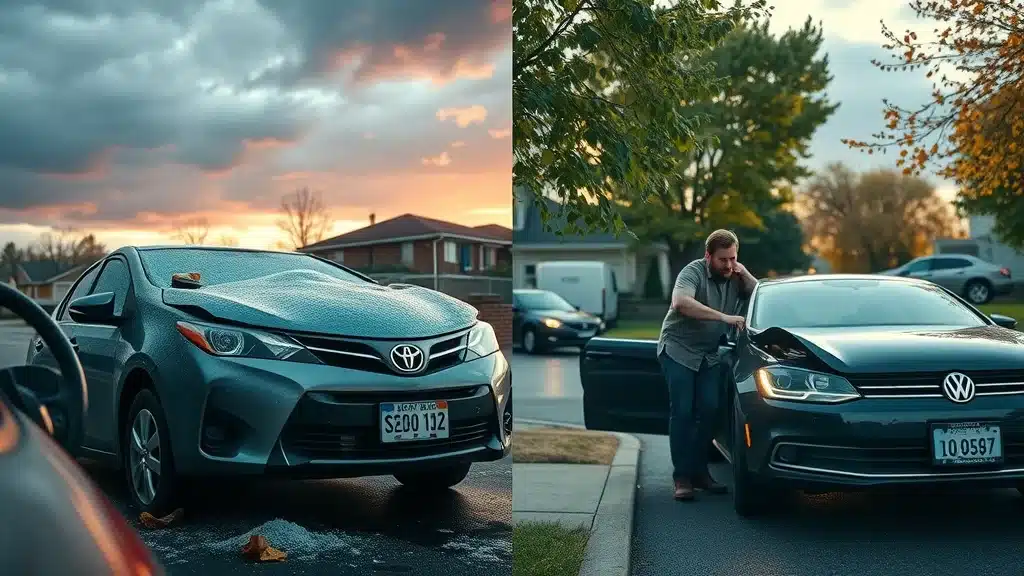
Concerned car owner checking car door in an evening Columbia, SC parking lot, scene referencing break-ins impacting car insurance rates by ZIP code.

Traffic Patterns and Accident Rates: Comparing Busy Intersections in Columbia

Some of Columbia’s most expensive ZIP codes for auto insurance trace back to dense, high-traffic corridors. Major intersections, like those near Assembly Street downtown or along Garners Ferry Road, see hundreds of daily fender-benders, raising the number of claims insurance companies must pay in those areas. If your address places your car near these hot spots, expect a higher average rate and stricter underwriting from national and local carriers alike.

Conversely, living on a quieter suburban street may qualify you for a lower base premium. Insurance companies regularly update their algorithms with city accident stats, so neighborhoods with recent traffic improvements, new lights, or redesigned intersections may see rates fall at renewal time. This local responsiveness is part of why Columbia insurance rates are so dynamic year-to-year and ZIP code to ZIP code.

Rush hour at a busy Columbia, SC intersection with multiple cars and attentive drivers, reflecting local accident risk as a factor in car insurance premiums by ZIP code.

The Interplay of Credit Score, Driving Record, and Auto Insurance Rates in Columbia SC

  • How insurance companies assess credit scores in South Carolina
  • Driving record impact on insurance premium
  • Mitigating high-risk factors

While your ZIP code sets the stage, your individual risk profile shapes the rest of your car insurance premium. In South Carolina, both credit score and driving record are tightly linked to what you’ll pay. Insurance companies use credit reports as a predictor of how likely you are to file a claim; a poor score can bump your premiums higher—even in a “cheap” ZIP code. Conversely, a history of on-time payments, clean driving, and few claims can help offset the risk surcharge of living in a high-traffic or high-crime area.

If you’ve been hit with higher premiums, work to raise your credit score, avoid traffic citations, and ask your agent about insurer-specific discounts for clean records or defensive driving courses. These steps not only lower your base rate but can provide much-needed relief if your ZIP code sees a sudden uptick in local risk.

Common Misconceptions About ZIP Codes and Car Insurance Rates in Columbia, SC

  • Changing your address to lower your insurance rate
  • Moving within Columbia to reduce cost
  • Factors insurers actually consider

Many drivers mistakenly believe that changing their address to a lower-cost ZIP code or providing the address of a relative can save them money on their car insurance. In reality, insurance companies require the address where your vehicle is regularly parked. Providing false information can not only lead to higher premiums when discovered but can also result in denied claims or even policy cancellation. It’s also a myth that moving “just one block over” always results in a lower rate; your risk will only decrease if the new address reflects a genuinely safer local environment or lower historical claims rate.

Insurers don’t just look at ZIP codes; they incorporate other factors like the number of claims filed in that area, types of vehicles registered, average cost of property damage, and even the presence of speed cameras. If you’re dissatisfied with your current rate, it’s better to focus on improving your risk profile and shopping for quotes rather than attempting address “hacks. ”

Consequences of Providing the Wrong Address for Car Insurance in Columbia SC

Legal and Financial Risks of Misreporting Address

If you deliberately supply an incorrect address (a practice known as “rate evasion”) to get a lower premium, you risk more than just future price hikes. South Carolina insurance law allows carriers to cancel your policy for material misrepresentation, sometimes retroactively. That means you could be left without coverage—and possibly face penalties if caught driving without valid insurance, exposing you to personal liability in an accident.

Insurance companies routinely verify addresses through DMV records, vehicle registrations, and claims submissions. Being transparent with your insurer is not just the right thing to do—it’s essential for maintaining uninterrupted coverage and legal compliance.

Impact on Claims Processing and Insurance Premiums

Even if your carrier doesn’t cancel your policy outright, providing the wrong address can cause headaches if you need to file a claim. If an insurer discovers your vehicle is regularly kept somewhere other than the address on your policy, they may deny coverage altogether, leaving you to cover damages out-of-pocket. This can be ruinous after a major accident or theft. Additionally, rate corrections after the fact typically result in higher premiums, sometimes backdated to your original policy start date.

The bottom line: always use your actual, current address for your car insurance policy to avoid costly mistakes and ensure full protection when you need it most.

How to Get More Affordable Car Insurance Rates in Any Columbia SC ZIP Code

  • Comparing multiple insurance companies
  • Evaluating deductibles and coverage levels
  • Improving your driving record and credit score
  • Taking advantage of local discounts (e.g., university-affiliated, safe driver)

You can’t always control where you live—but you can control other variables that feed into your car insurance premium. The best first step is to gather quotes from at least three different carriers—rates for otherwise identical profiles can vary by hundreds of dollars simply due to different underwriting practices and ZIP code weighting. If your budget is tight, consider raising your deductible (but be careful to maintain a level you can realistically afford in case of a claim).

Keep your driving record clean, pay bills on time to improve your credit score, and don’t forget to ask about discounts specific to Columbia residents, like safe driver, university employee/student, or bundled policy savings. Small differences can add up, especially if you check rates every renewal cycle or after any major life change (moving, new job, family additions, etc. ).

Checklist: Steps to Review Your Car Insurance Policy in Columbia, SC

  1. Confirm coverage levels and deductibles
  2. Check listed address and ensure accuracy
  3. Request updated car insurance rate quotes annually
  4. Consult local agents for region-specific factors
  5. File necessary address updates with your insurance company

Reviewing your policy each year—especially after any move or life change—fends off surprises when it’s time to file a claim. Local agents are a great resource for understanding new risks tied to your ZIP code, so don’t hesitate to reach out for a second opinion.

People Also Ask About ZIP Code and Car Insurance in Columbia SC

Does zip code change price on insurance?

Answer: Yes, your zip code plays a significant role in determining your car insurance rates in Columbia, SC. Insurers assess risk factors based on locality, including accident rates, crime statistics, and claims frequency, all of which vary by ZIP code.

What is the cheapest car insurance in Columbia SC?

Answer: The cheapest car insurance in Columbia, SC typically comes from comparing quotes among regional and national insurers. Rates can vary significantly by ZIP code and driver profile, so the most affordable provider for you may depend on your unique circumstances.

Does your location affect your car insurance?

Answer: Absolutely. Where you live in Columbia, SC—including your street and ZIP code—directly influences your car insurance premium due to local risk factors like crime, weather events, and population density.

Does it matter what address you use for car insurance?

Answer: Yes, the address listed on your policy must reflect where your vehicle is primarily kept. Using an incorrect or outdated address can lead to denied claims or policy cancellation.

FAQs About ZIP Code and Car Insurance in Columbia SC

  • Does moving neighborhoods in Columbia always change your car insurance rate?
    Not necessarily, but in most cases, even short-distance moves can alter your insurance premium if the new ZIP code has a different claims, crime, or risk profile.
  • How often do insurance companies update rates for ZIP codes?
    Many companies update their underlying risk data and rate tables yearly or after major local risk changes (e.g., storm, increased crime rates).
  • Can students at USC get special rates?
    Some insurers offer limited discounts for students or young drivers, but rates tend to be higher in campus-adjacent ZIP codes due to higher claims risk.
  • Are rural Columbia ZIP codes cheaper than urban ones?
    Typically, yes. Less congestion, lower crime, and fewer claims generally result in lower premiums outside Columbia’s core ZIP codes.
  • What role does storm/flood risk play in my premium calculation?
    Living in a known flood or storm risk zone will increase your premium, especially for comprehensive auto insurance, due to the likelihood of vehicle damage from weather events.

Key Takeaways for Columbia SC Drivers: ZIP Code & Car Insurance Rates

  • Your ZIP code significantly affects your car insurance rates in Columbia, SC.
  • Local risks—like crime, traffic, and storm frequency—are major pricing factors.
  • Accurate address reporting is critical to maintain valid coverage and claims protection.
  • Comparing rates here matters: small moves within Columbia can mean big differences in what you pay.

Further Reading and Data Sources on Car Insurance Rates in Columbia, SC

Get Car Insurance In Columbia Nowhttps://insuranceshoppingexperts.com/columbia-sc-car-insurance/

Conclusion: Why Knowing How Your ZIP Code Affects Your Car Insurance Rate Empowers You

Understanding how your ZIP code shapes your car insurance cost lets you make smarter choices as a Columbia driver—from policy shopping to proactive risk management—ensuring you’re always covered, no matter where you call home.

Your ZIP code significantly influences your car insurance rates in Columbia, SC. Insurers assess various factors within your area, such as traffic density, accident rates, crime statistics, and environmental risks, to determine premiums. For instance, urban areas with higher traffic and crime rates often face increased insurance costs compared to suburban regions. (insurancepanda. com) In Columbia, specific ZIP codes exhibit notable differences in insurance premiums. For example, ZIP codes like 29223, 29229, 29203, and 29210 are among the most expensive due to factors like higher population density and increased traffic congestion. Conversely, ZIP codes such as 29222, 29204, 29206, and 29201 tend to have lower premiums, reflecting their suburban nature and lower risk profiles. (caranddriver. com) Beyond location, other personal factors also impact your insurance rates. A clean driving record can lead to lower premiums, while a history of violations or accidents may increase costs. Additionally, your credit score plays a role; higher scores often result in more favorable rates. The type of vehicle you drive and the coverage levels you choose further influence your premiums. (insuranceshoppingexperts. com) To manage and potentially reduce your car insurance costs in Columbia, consider the following strategies: Compare Multiple Insurance Companies: Shopping around allows you to find the best rates tailored to your specific circumstances. Evaluate Deductibles and Coverage Levels: Adjusting these can help balance your premium and out-of-pocket expenses. Maintain a Clean Driving Record: Avoiding violations and accidents can lead to lower premiums over time. Improve Your Credit Score: Higher credit scores are often associated with lower insurance rates. Take Advantage of Local Discounts: Look for discounts related to safe driving, bundling policies, or affiliations with local organizations. By understanding how your ZIP code and personal factors affect your car insurance rates, you can make informed decisions to optimize your coverage and costs.

Insurance Shopping Experts launches scliquorliabilityinsurance.com for South Carolina Businesses To Help With Liquor Insurance Coverage

Shoppy Insurance

South Carolina business owners using digital service for liquor liability insurance

New Platform Streamlines Liquor Liability Insurance Access for South Carolina’s Bars, Restaurants, and Event Venues

COLUMBIA, SC – March 3, 2026

South Carolina’s booming hospitality industry is facing a new era of heightened liability risks and regulatory complexity—especially for bars, restaurants, breweries, and event venues serving alcohol. In response to the pressing need for specialized, accessible coverage, Insurance Shopping Experts is announcing the launch of SCLiquorLiabilityInsurance.com, a dedicated online platform built exclusively to help South Carolina businesses secure reliable liquor liability insurance with ease.

For local business owners, the stakes are higher than ever. Changing regulations, increased enforcement, and growing event activity have made liquor liability insurance not only a regulatory requirement for many but also a critical component of risk management. Until now, navigating the landscape meant dealing with a patchwork of brokers and unclear pricing, compounding the pressures already felt by hospitality entrepreneurs across South Carolina.

Enter SCLiquorLiabilityInsurance.com—a digital resource designed by Insurance Shopping Experts to address these challenges head-on. The platform offers a single, simplified destination for business owners to connect with top liquor liability insurance carriers, compare competitive rates, and obtain coverage tailored to their unique regulatory realities and operational needs. By focusing exclusively on South Carolina’s market, the new initiative reinforces the company’s commitment to local economic stability and business protection.

Through extensive partnerships with highly rated insurers, Insurance Shopping Experts enables users to benefit from streamlined underwriting and the support of industry specialists who understand state laws and hospitality trends. The result is a more transparent, supportive process; businesses can request quotes, review options, and bind their coverage without the administrative delays or confusion common in the insurance industry.

The benefits extend well beyond convenience. By equipping bars, restaurants, caterers, breweries, and event venues with the right liquor liability insurance, the platform helps business owners ensure compliance, protect their financial futures, and contribute to a safer, more resilient hospitality economy. This community-focused approach recognizes the pivotal role local establishments play in South Carolina’s social and economic vitality.

Insurance Shopping Experts is grounded in a belief that small businesses deserve access to straightforward, competitively priced protection—free from unnecessary upselling or complexity. SCLiquorLiabilityInsurance.com alleviates the burden of insurance shopping at a time when many business owners are stretched thin, offering a digital bridge between regulatory obligation and responsible operations.

With the launch of this new platform, Insurance Shopping Experts bridges the gap between compliance demands and peace of mind, ensuring South Carolina’s alcohol-serving businesses remain protected today—and positioned for tomorrow. The initiative further advances the company’s mission: empowering local entrepreneurs by delivering fair access to vital business insurance resources.

“South Carolina’s hospitality industry is vital to our local economy. Business owners deserve straightforward access to coverage that protects everything they’ve built. SCLiquorLiabilityInsurance.com is about delivering clarity, speed, and local expertise so that operators can focus on what they do best while remaining protected. ”

— [Founder/Spokesperson Name], Founder, Insurance Shopping Experts

To learn more about liquor liability insurance in South Carolina or to request a tailored quote, visit SCLiquorLiabilityInsurance.com.

About Insurance Shopping Experts

Insurance Shopping Experts is a trusted online insurance comparison platform dedicated to helping individuals, families, and business owners make smarter, more informed coverage decisions. Built on the principles of transparency, customer-first service, and simplicity, the company provides access to multiple top-rated insurance carriers through an easy-to-use digital experience. Headquartered in South Carolina, Insurance Shopping Experts specializes in connecting clients with competitive coverage options across auto, home, renters, business, and specialty insurance markets. By streamlining the comparison process and eliminating unnecessary complexity, the company empowers customers to secure protection that fits their needs and budget—without the pressure of traditional sales tactics. Through strategic partnerships and innovative technology, Insurance Shopping Experts continues to expand its footprint, delivering reliable insurance solutions tailored to the evolving needs of today’s consumers and business owners. Connect via Facebook or LinkedIn.

Media Contact

Media Relations Insurance Shopping Experts Phone: +1 (803) 407-9991 insuranceshoppingexperts.com

Insurance Shopping Experts has launched SCLiquorLiabilityInsurance.com, a dedicated platform designed to assist South Carolina businesses in obtaining liquor liability insurance. This initiative aims to simplify the process for bars, restaurants, breweries, and event venues to secure coverage tailored to their specific needs. The platform offers a streamlined approach, allowing business owners to connect with top insurance carriers, compare competitive rates, and obtain coverage that aligns with their operational requirements. By focusing exclusively on South Carolina’s market, SCLiquorLiabilityInsurance.com reinforces the company’s commitment to local economic stability and business protection. Through partnerships with highly rated insurers, the platform enables users to benefit from efficient underwriting and support from industry specialists familiar with state laws and hospitality trends. This results in a transparent process where businesses can request quotes, review options, and secure coverage without the typical administrative delays. By equipping establishments with appropriate liquor liability insurance, the platform helps ensure compliance, protect financial futures, and contribute to a safer hospitality economy. This community-focused approach acknowledges the vital role local businesses play in South Carolina’s social and economic landscape. Insurance Shopping Experts believes that small businesses deserve straightforward, competitively priced protection without unnecessary complexity. SCLiquorLiabilityInsurance.com alleviates the burden of insurance shopping, offering a digital bridge between regulatory obligations and responsible operations. With this launch, Insurance Shopping Experts ensures that South Carolina’s alcohol-serving businesses remain protected today and positioned for future success. This initiative advances the company’s mission of empowering local entrepreneurs by providing fair access to essential business insurance resources. To learn more about liquor liability insurance in South Carolina or to request a tailored quote, visit SCLiquorLiabilityInsurance.com. About Insurance Shopping Experts Insurance Shopping Experts is an online insurance comparison platform dedicated to helping individuals, families, and business owners make informed coverage decisions. Built on principles of transparency and customer-first service, the company provides access to multiple top-rated insurance carriers through an easy-to-use digital experience. Headquartered in South Carolina, Insurance Shopping Experts specializes in connecting clients with competitive coverage options across various insurance markets. By streamlining the comparison process, the company empowers customers to secure protection that fits their needs and budget without the pressure of traditional sales tactics. Media Contact Media Relations Insurance Shopping Experts Phone: +1 (803) 407-9991 insuranceshoppingexperts.com

Minimum Car Insurance Requirements in Lexington South Carolina (2026 Update)

Shoppy Lexington SC Insurance

Did you know nearly 1 in 8 South Carolina drivers are uninsured or underinsured, directly impacting Lexington residents? This surprising statistic highlights why every Lexington driver needs to pay close attention to the latest minimum car insurance requirements. With new legislation taking effect in 2026, understanding what’s legally required—along with what’s wise to carry—has never been more important. Whether you’re a longtime Lexington local or a new South Carolina resident, this guide cuts through the legal jargon to help you stay compliant, protect your wallet, and keep peace of mind on Lexington’s busy roads.

An Unexpected Look: Why Understanding Minimum Car Insurance Requirements in Lexington South Carolina Is Crucial

Minimum car insurance requirements in Lexington South Carolina (2026 update) are more than just a legal technicality—they’re a foundation for financial responsibility and community protection. Each day, Lexington roads host commuters, families, and students traveling to destinations both local and far. But amidst this traffic, recent state data reveals that nearly 13% of drivers statewide either lack sufficient auto insurance or have none at all. This risky reality leaves insured Lexington motorists exposed to costly repairs and medical bills in the event of an accident involving an uninsured motorist (UM coverage becomes vitally important here).

South Carolina’s minimum car insurance requirements are designed to ensure every driver is financially prepared for the unexpected, from fender benders at the Lexington Pavilion shopping center to more serious accidents on I-20. In cases involving property damage liability, bodily injury, or a sudden need for UM coverage, those who lack the minimum coverage can find themselves facing not only hefty fines but also the inconvenience of license and registration suspension. Staying up-to-date with the 2026 requirements isn’t just about following the law—it’s about safeguarding your finances, ensuring smooth claim processes, and preventing potentially devastating financial setbacks.

“Did you know nearly 1 in 8 South Carolina drivers are uninsured or underinsured, directly impacting Lexington residents?”

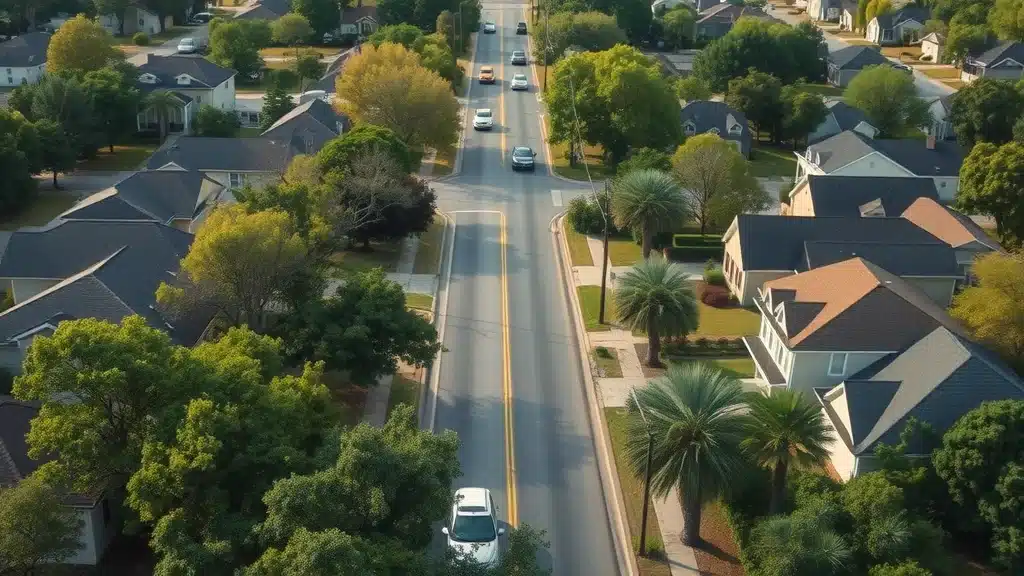
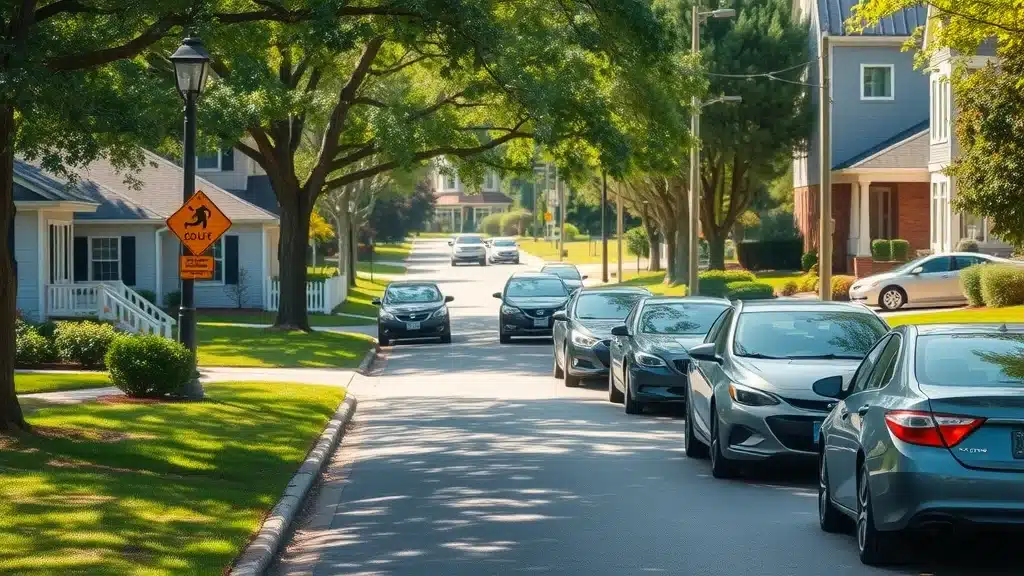
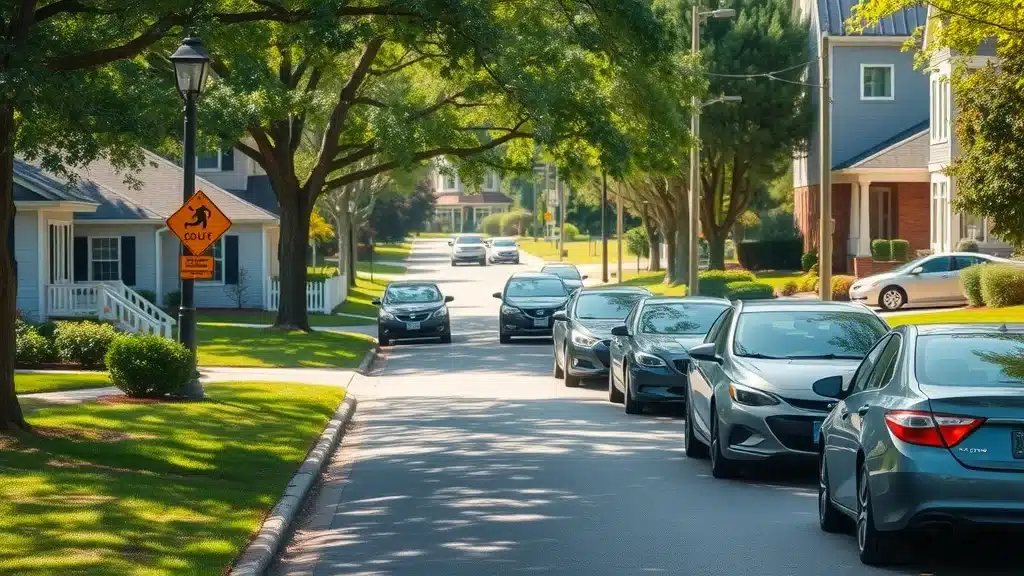
Lexington South Carolina neighborhood street with cars and greenery, illustrating minimum car insurance requirements in Lexington South Carolina (2026 update)

What You’ll Learn About Minimum Car Insurance Requirements in Lexington South Carolina (2026 Update)

  • The minimum car insurance limits you need to legally drive in Lexington SC (2026 update)
  • How new South Carolina insurance laws affect local drivers
  • Types of auto insurance coverage required and optional in South Carolina
  • Consequences of failing to meet minimum car insurance requirements in Lexington South Carolina
  • Where to get a reputable insurance quote in Lexington

Overview of Minimum Car Insurance Requirements in Lexington South Carolina (2026 Update)

Understanding the minimum car insurance requirements in Lexington South Carolina (2026 update) ensures that drivers remain on the right side of the law while protecting themselves and others on the road. In 2026, the state has updated minimums to bolster financial protection for everyone. These legal standards include three crucial components: bodily injury liability, property damage liability, and uninsured motorist coverage (UM coverage). The purpose of these requirements isn’t simply compliance—it’s to form a safety net for accident victims, drivers, and their families, who might otherwise face significant out-of-pocket expenses or legal trouble if unprotected.

South Carolina car insurance laws evolve to reflect changing risks. As traffic volume in Lexington increases with population growth, more robust coverage has become essential. State legislators recognize not just the financial devastation that the uninsured or underinsured can cause, but also the need for Lexington drivers to have accessible options when shopping for compliant policies. In essence, the current mandates emphasize minimum protection, but savvy drivers often look beyond these limits to include additional forms of insurance cover, such as underinsured motorist and comprehensive coverage. Navigating these updates ensures that your auto insurance policy not only meets legal liability coverage but also fits your life in Lexington’s dynamic driving environment.

Insurance agent assisting a South Carolina driver with policy documents, discussing minimum car insurance requirements

Defining Minimum Car Insurance Requirements in Lexington South Carolina

The minimum car insurance requirements in Lexington South Carolina (2026 update) are specifically tailored to address local and statewide driving conditions. Every driver must carry insurance cover that satisfies three core areas: bodily injury liability, property damage liability, and UM coverage. Bodily injury liability addresses physical harm to others in an accident you cause, while property damage liability covers repair or replacement costs for damaged vehicles or property. The third pillar, UM coverage, protects you if you’re struck by an uninsured (or underinsured) driver—a real risk considering Lexington’s proximity to busy interstates and urban centers.

Beyond just carrying the minimum, you are required to show your insurance proof in case of a traffic stop, vehicle registration, or accident situation. These requirements are established by the South Carolina Department of Motor Vehicles and enforced by Lexington law enforcement. Failing to meet these minimums can result in not only fines and points on your driving record but more severe penalties like SR-22 filing requirements or license suspension. As new insurance laws continually update the minimum thresholds, it’s critical that Lexington drivers perform regular reviews of their policies—especially since these changes can influence both your insurance rates and your financial risk in the event of a claim.

State-Mandated Minimums: South Carolina Car Insurance

South Carolina—like most states—mandates strict minimum limits for every registered vehicle. For Lexington drivers, understanding these exact numbers helps you confirm your policy is compliant. The minimums for 2026 are structured to provide essential protection, but it’s important to remember these are not always sufficient in a serious accident. Still, by meeting or exceeding these state limits, Lexington drivers avoid legal trouble while gaining baseline financial security. Coverage must be maintained without a lapse; otherwise, local insurance companies will alert the state, leading to immediate consequences. Here’s a breakdown of the state-required car insurance minimums for 2026:

Coverage Type Minimum Limit (2026) Description
Bodily Injury Liability $25,000/person, $50,000/accident Pays for injuries caused to others
Property Damage Liability $25,000/accident Pays for property damage to others
Uninsured Motorist Coverage $25,000/person, $50,000/accident Protects you if hit by uninsured driver
Property Damage (UM) $25,000/accident Covers your vehicle/property if hit by uninsured driver

Modern car dashboard with insurance documents illustrating South Carolina car insurance, minimum car insurance requirements in Lexington South Carolina

How Do Minimum Car Insurance Requirements in Lexington South Carolina (2026 Update) Compare to Previous Years?

The 2026 updates to minimum car insurance requirements in Lexington South Carolina mark a significant shift from prior years. One of the most noticeable changes is an across-the-board increase in coverage limits, reflecting the rising costs of medical care, vehicle repair, and property replacement. These new state-mandated minimums are not only higher for bodily injury liability and property damage liability but also expand the role of uninsured motorist (UM) coverage. This greater emphasis on UM coverage directly responds to the state’s high rate of uninsured drivers and is meant to reduce the financial burden of hit-and-run or uninsured motorist accidents in places like Lexington.

Legislation in South Carolina has also introduced updated compliance measures for both insurers and drivers. For instance, increased penalties for lapses in minimum insurance coverage, and new documentation rules, make it even more important to keep your policy information current and accessible. With insurance rates fluctuating to accommodate these changes, drivers in Lexington are urged to compare insurance quotes more frequently and to have proactive discussions with their insurance company about the best ways to meet state requirements. It is crucial to remember that while the baseline for required car insurance rises, the option to enhance protection through additional insurance cover for collision, underinsured motorists, and medical payments remains open—and advisable for many.

  • Increases in minimum coverage limits
  • Notable changes prompted by recent South Carolina legislation
  • Greater emphasis on uninsured motorist and UM coverage

Graph showing rising South Carolina car insurance minimums from 2023 to 2026; emphasizes state-mandated minimum car insurance requirements in Lexington South Carolina

Key Car Insurance Coverage Types Required in South Carolina

Bodily Injury Liability: What South Carolina Drivers Need to Know

Bodily injury liability is a central part of the minimum car insurance requirements in Lexington South Carolina (2026 update). This crucial aspect provides financial protection if you cause injuries to others in an accident. The updated 2026 minimums require at least $25,000 per person and $50,000 per accident. While this ensures that victims of accidents have access to essential medical care and rehabilitation costs, it’s important to realize that severe accidents can generate expenses that quickly surpass these limits. Carrying only the state minimum may expose you—in the event of a multi-vehicle crash or serious injuries on busy local routes like Augusta Road or Main Street—to heavy personal liability if damages exceed your policy’s coverage.

In addition to meeting legal obligations, maintaining robust bodily injury liability coverage enhances your financial resilience. It’s not uncommon for South Carolina’s car insurance companies to recommend higher limits if you commute frequently or have a teen driver, as increased risk is associated with both. Moreover, higher limits may qualify you for preferred insurance rates, as insurers may view you as a lower-risk customer. Always compare your current liability insurance to the 2026 state minimums and consider extra protection—especially since healthcare expenses often outpace even well-intentioned legal thresholds.

Property Damage Liability: Essential Protection in Lexington Roads

Property damage liability covers the costs to repair or replace another person’s car or property if you are responsible for an accident. For Lexington drivers, the 2026 update mandates a minimum of $25,000 coverage per accident. This is crucial for handling common scenarios, such as rear-ending another vehicle in Lexington traffic or backing into a fence. South Carolina law is clear—property damage liability is essential for the protection of all road users. Without adequate coverage, you could be held personally liable and have assets at risk if damages exceed your policy limits.

Insurance quotes in Lexington often note community-specific considerations, like higher traffic density near shopping districts or increased accident rates at key intersections. Such factors underscore the importance of maintaining, and even exceeding, the minimum property damage liability. Failure to do so can result not only in steep fines and points on your driving record but also in long-term financial consequences, such as liens against your property or wage garnishments due to civil judgments. Reviewing your insurance policy annually and adjusting your property damage liability as local conditions change remains a wise decision for Lexington residents.

Lexington drivers exchanging insurance information after minor accident, representing property damage liability requirements in Lexington SC

Uninsured Motorist Coverage (UM Coverage): Lexington South Carolina’s Safeguard

Uninsured motorist coverage, often abbreviated as UM coverage, is an indispensable part of minimum car insurance requirements in Lexington South Carolina (2026 update). With one in eight South Carolina drivers lacking proper insurance, this coverage steps in when you’re hit by a motorist without insurance—or whose policy limits are too low. The 2026 law mandates that UM coverage must exactly match your bodily injury and property damage liability limits: $25,000 per person, $50,000 per accident for injuries, and $25,000 for property damage. This matching structure provides a critical safety net for responsible drivers on Lexington roads where uninsured drivers are more common than many realize.

Think of UM coverage as your personal insurance against the mistakes or negligence of others. For Lexington drivers, this means a greater sense of security when traveling local streets or I-20. It also helps avoid out-of-pocket repair or medical costs that could otherwise devastate your savings. Remember, though, that South Carolina car insurance companies automatically include minimum UM coverage in standard policies—but it’s up to you to review your declarations page and confirm you’re fully compliant under 2026 requirements. When comparing insurance quotes, always ask for an explanation of UM coverage and its limits so you’re never caught off guard if the unexpected occurs.

“South Carolina law requires uninsured motorist coverage to match the exact limits of your liability car insurance — a detail many Lexington drivers overlook.”

Optional Coverages Beyond the Minimum in Lexington SC

While minimum car insurance requirements in Lexington South Carolina provide essential protections, many drivers choose to go beyond these limits by adding optional insurance cover for broader peace of mind. Collision coverage pays to repair or replace your own car after an accident, regardless of fault, and is especially valuable for those frequently driving on Lexington’s high-traffic roads. Comprehensive coverage protects your vehicle against non-collision events such as hail, theft, or vandalism—risks that are not uncommon in South Carolina’s unpredictable weather seasons.

Other valuable add-ons include medical payments coverage, which can cover medical expenses for you and your passengers whether or not you are at fault, and underinsured motorist coverage, which fills the gap if another driver doesn’t have adequate insurance. Because no two Lexington drivers face exactly the same risks, it’s wise to consult with a knowledgeable insurance agent about which extras fit your situation and budget. These supplemental options are especially worthwhile if you own a newer car, have a teen driver, or simply want additional protection for yourself and your loved ones.

  • Collision
  • Comprehensive
  • Medical Payments
  • Underinsured Motorist Coverage

Penalties for Not Meeting Minimum Car Insurance Requirements in Lexington South Carolina

Failing to meet the minimum car insurance requirements in Lexington South Carolina (2026 update) can lead to swift and often costly consequences. Statewide, enforcement is tightening, with law enforcement and insurance companies working together to ensure all drivers comply. If you’re caught driving without adequate insurance—whether during a traffic stop or after an accident—the penalties may include immediate fines, license suspension, and car registration revocation. Worse still, you’ll be required to file an SR-22 certificate as proof of future insurance, which can double or triple your insurance rates for years to come.

Additionally, if you cause an accident without proper coverage, you may be forced to pay for property damage and bodily injury costs out of your own pocket—a financial hardship that could impact your household for years or even result in court judgments. South Carolina’s DMV and local Lexington agencies make compliance easy as long as you monitor your coverage and respond quickly to renewal notices. However, any lapse can also limit your options when shopping for new insurance policies, as companies may view you as a higher-risk customer. Don’t let an administrative mistake put you at risk—regularly check your insurance policy, stay alert to rate changes, and keep your documents handy to avoid unnecessary legal or financial trouble in Lexington.

  • Fines
  • License and registration suspension
  • SR-22 filing requirements
  • Impact on insurance quotes and future rates

Lexington police officer reviewing driver insurance card during roadside stop, highlighting legal minimum car insurance requirements in Lexington South Carolina

Recent Changes: What Is the New Insurance Law in South Carolina for 2026?

Affect on Lexington Drivers: New Auto Insurance Laws and Their Practical Impact

The new insurance law in South Carolina for 2026 brings important changes for all Lexington drivers. The most significant shift is the increase in required minimum liability limits. Now, policies must offer at least $25,000/$50,000 for bodily injury liability and $25,000 for property damage liability, with identical limits for uninsured motorist coverage. The legislation also modernizes documentation and reporting requirements, making it easier for authorities and insurance companies to track compliance but also placing greater responsibility on individual drivers to stay current with their policies. For Lexington, where growing populations and denser traffic patterns heighten risk, these changes mean a stronger safety net for everyone sharing the road.

Practically, the impact on Lexington drivers is two-fold: you may see a small increase in your car insurance premiums, especially if you previously carried only the old state minimums, but you also gain considerably greater protection if an accident occurs. It’s crucial to act proactively—review your current policy, ask your insurance company about any changes, and make sure your coverage meets or exceeds the new requirements before your renewal date. A lapse in compliance under the new rules can result in higher rates, difficulty securing new insurance quotes, and additional regulatory hurdles such as the SR-22. Staying ahead of these changes means greater peace of mind and a smoother driving experience in Lexington.

“The 2026 update on minimum car insurance requirements could increase your out-of-pocket costs if you aren’t proactive — check your policy now, not later.”

How to Get a Compliance-Focused Insurance Quote in Lexington SC

What to Look for When Comparing Insurance Quotes in South Carolina

Getting a compliance-focused insurance quote in Lexington SC is simpler than you might think, but comparing your options carefully makes all the difference. Start by confirming that any quote you receive meets or exceeds the state minimums for auto insurance coverage. Most reputable insurance companies will include mandatory coverages by default, but it never hurts to double-check—especially in light of the 2026 updates. Next, consider additional types of insurance coverage, such as collision, comprehensive, or medical payments coverage, based on your household’s specific needs and risk tolerance. If you drive in high-traffic zones or park outdoors, added protection could save you substantial money in the long run.

Finally, pay attention to the reputation and local presence of the insurance company. Do they have an office in or near Lexington? Are their online reviews positive and do they offer personalized guidance? Local agencies often understand the nuances of South Carolina regulations and Lexington-specific risks better than nationwide chains. Request at least three insurance quotes to compare not just rates, but claim service and flexibility. When you find a policy that meets your needs, ask for a written summary—then verify your coverage and pricing with the South Carolina Department of Insurance for added peace of mind.

  • Confirming state minimums
  • Evaluating optional and supplemental coverage
  • Considering local insurance companies and agencies

Reviewing car insurance quotes for Lexington SC on laptop, comparing compliance with state minimums and company reputation

Factors That Influence Your Minimum Car Insurance Rates in Lexington South Carolina

Several factors influence your minimum car insurance rates in Lexington South Carolina. Your driving record is a primary variable—drivers with accidents, tickets, or claims typically see higher rates, while those with clean records can qualify for discounts. The type of vehicle you own also affects your premium, as high-value or sporty cars tend to be more expensive to insure. Your home ZIP code within Lexington plays a major role, too; denser neighborhoods or areas with higher claim rates often see higher premiums to reflect increased risk of accidents or theft.

Age and marital status are additional considerations, with younger and single drivers sometimes facing higher insurance rates due to historical accident statistics. Finally, eligibility for special discounts—such as bundling policies, enrolling in safe driver programs, or maintaining good grades for teen drivers—can further lower your costs. Shopping for insurance quotes tailored for Lexington, SC, and checking with several companies ensures you’re getting the best possible rate while staying compliant with all state minimum requirements.

  • Driving record and accident history
  • Vehicle type
  • Home ZIP code in Lexington
  • Age and marital status
  • Discount eligibility

Minimum Car Insurance Requirements in Lexington South Carolina: Frequently Asked Questions

What are South Carolina’s minimum requirements for auto insurance?

South Carolina drivers are required to carry at least $25,000 per person and $50,000 per accident in bodily injury liability, $25,000 in property damage liability, and uninsured motorist coverage at the same minimums. These requirements must be met by all drivers registered in Lexington.

What is the new insurance law in South Carolina?

The new 2026 law raises required liability limits, mandates matching uninsured motorist coverage, and updates certain documentation and reporting standards. All Lexington drivers must comply with these higher minimums to remain legal and avoid penalties.

What is the minimum legal requirement for car insurance?

The minimum legal requirement for car insurance in Lexington SC matches the state standards—bodily injury and property damage liability, as well as uninsured motorist coverage, all at the new higher 2026 limits.

What’s the minimum requirement for car insurance?

As of 2026, you need at least $25,000 per person/$50,000 per accident in bodily injury liability, $25,000 in property damage liability, and equivalent uninsured motorist coverage to safely and legally drive in Lexington SC.

Lists: Steps to Ensure You Meet Minimum Car Insurance Requirements in Lexington SC

  1. Review your current auto insurance policy
  2. Check for state minimum compliance
  3. Compare at least three insurance quotes for Lexington SC
  4. Ask about optional coverages relevant for regional risks
  5. Regularly update your information with your insurance company

Key Takeaways on Minimum Car Insurance Requirements in Lexington South Carolina (2026 Update)

  • Lexington drivers must meet or exceed the new 2026 state minimums for car insurance
  • Bodily injury liability, property damage liability, and uninsured motorist coverage are required
  • Laws are updated to offer greater financial protection in accidents
  • Compare local insurance quotes for the best compliance and rate

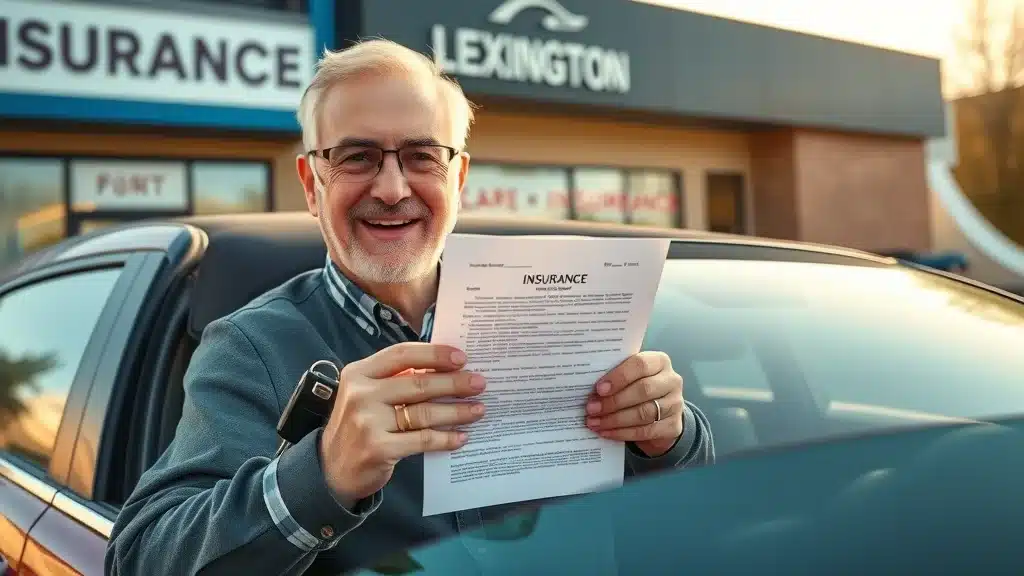
Confident driver with new car insurance policy in Lexington, South Carolina securing required coverage

Ready for a Personalized Quote? Compare Minimum Car Insurance Requirements in Lexington South Carolina Today

“Get fast, hassle-free comparisons for minimum car insurance requirements in Lexington South Carolina — start your quote now to stay legal and protected!”

Take action today—get a personalized car insurance quote for Lexington SC to ensure you’re covered, compliant, and ready for the road ahead.

For 2026, staying ahead of minimum car insurance requirements in Lexington South Carolina means better protection, peace of mind, and fewer hassles—review your policy and get a fresh quote now.

Sources

Understanding the minimum car insurance requirements in Lexington, South Carolina, is essential for all drivers to ensure compliance with state laws and adequate financial protection. As of 2026, South Carolina mandates the following minimum coverage limits: Bodily Injury Liability: $25,000 per person and $50,000 per accident. Property Damage Liability: $25,000 per accident. Uninsured Motorist Coverage: $25,000 per person and $50,000 per accident for bodily injury, and $25,000 per accident for property damage. These requirements are designed to ensure that drivers can cover costs associated with injuries or damages they may cause to others. However, given the rising costs of medical care and vehicle repairs, these minimums may not be sufficient in the event of a serious accident. Therefore, many drivers opt for higher coverage limits to provide greater financial security. It’s also important to note that driving without the required insurance in South Carolina can lead to severe penalties, including fines, license suspension, and the requirement to file an SR-22 certificate, which can significantly increase insurance premiums. For more detailed information on South Carolina’s car insurance laws and to ensure your coverage meets the state’s requirements, you can refer to the South Carolina Department of Insurance. Additionally, the South Carolina General Assembly provides updates on legislative changes that may affect insurance requirements. Staying informed about these requirements will help you maintain compliance and ensure adequate protection on the road.

How Much Does Car Insurance Cost in Columbia SC in 2026?

Shoppy Columbia SC Insurance

Did you know? In 2026, Columbia residents are paying nearly 12% more for car insurance than last year’s statewide average. Rising costs, shifting traffic patterns, and even the busy energy around the University of South Carolina are making car insurance premiums more unpredictable than ever. If you’re wondering how much does car insurance cost in Columbia SC in 2026, this guide will give you a clear look at the numbers, the reasons behind the changes, and practical tips for navigating the local insurance landscape.

A Surprising Look at Car Insurance Rates in Columbia, South Carolina for 2026

For many Columbia drivers, 2026 has brought an unexpected surge in car insurance rates. The average cost of car insurance in Columbia currently sits at $970 per year for minimum coverage and $2,395 for full coverage. These numbers track slightly above the state average—continuing an upward trend shaped by both regional and statewide dynamics in South Carolina. While statewide rates for minimum coverage hover just below $915 and the national average is $984, local factors like weather-related claims and urban growth are pushing Columbia’s premiums higher.

These insurance costs impact every driver differently depending on their ZIP code, the type of vehicle, and their personal driving record. Whether you’re a student at USC, a commuter navigating rush hour on Gervais, or a retiree enjoying the city’s neighborhoods, understanding the cost of car insurance in Columbia is key to budgeting and finding the right coverage. This article cuts through the statewide averages and delivers a local perspective so you can make smarter choices about your insurance in South Carolina.

Downtown Columbia SC cityscape through a windshield, showing cars, traffic lights, and sunny weather — car insurance rates Columbia 2026

“In 2026, Columbia drivers are seeing insurance premiums rise nearly 12% above last year’s statewide average — but why?”

What You’ll Learn in This Guide to Car Insurance in Columbia, SC

  • The current average car insurance rates in Columbia and South Carolina in 2026
  • Key local factors impacting the insurance cost in Columbia
  • How your driving record, ZIP code, vehicle type, and coverage choices affect your insurance premiums
  • Tips for saving money on car insurance in South Carolina
  • How to compare insurance companies and find the best rates

Insurance agent consulting Columbia SC family, discussing car insurance options for 2026

Car Insurance Cost Breakdown in Columbia, SC: 2026 Data & Trends

Columbia continues to experience higher insurance rates than both the South Carolina state average and the national average in 2026. Here’s how car insurance costs compare by coverage level, putting local figures into perspective. Understanding the cost differences between minimum and full coverage can help drivers make more informed decisions and anticipate changes in their annual premiums.

Type of Coverage Average Cost (Columbia) SC State Average National Average
Minimum Coverage $970 $915 $984
Full Coverage $2,395 $2,210 $2,385

How the Average Cost of Car Insurance in Columbia Compares Regionally

When comparing average car insurance rates, Columbia’s premiums illustration a midsize city trend: not as high as some metro hubs, but higher than rural areas. The cost of car insurance in Columbia outpaces most other mid-sized South Carolina cities such as Charleston and Greenville, largely due to denser traffic, a higher concentration of insured vehicles, and a notable frequency of storms that drive up claim counts. The regional gap is most visible in full coverage rates, where Columbia exceeds the state average by nearly $200 annually.

If you’re relocating within South Carolina or comparing city-to-city, expect Columbia to generally fall above average in terms of insurance cost—driven primarily by local traffic issues, an influx of students during school year, and higher vehicle repair costs in the area. Still, Columbia’s car insurance premiums remain competitive against bigger states’ urban centers, which is a relief for many locals trying to save money where possible.

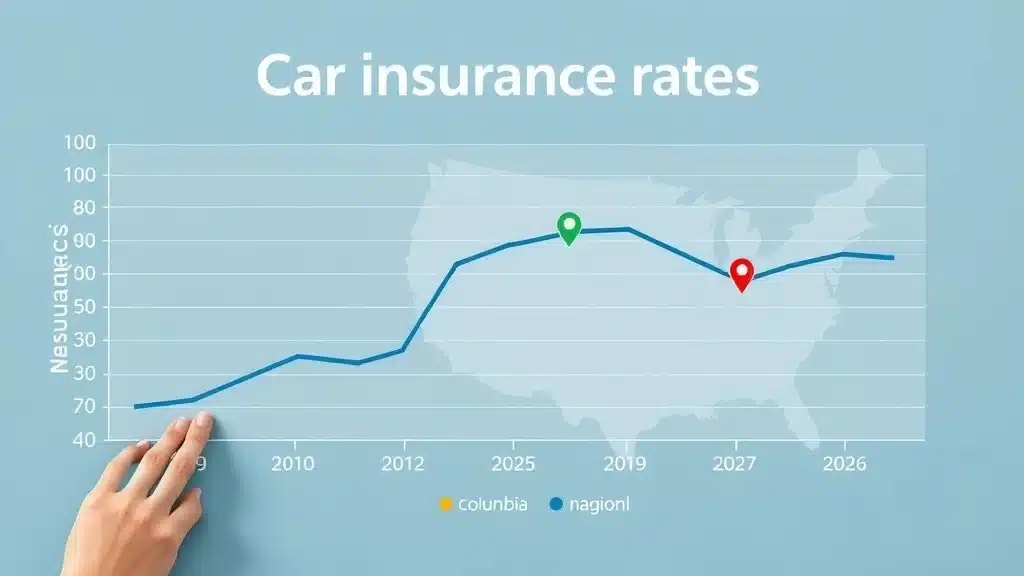
Chart showing Columbia SC car insurance rates versus South Carolina and national averages in 2026

Auto Insurance Premium Trends: 2025–2026 Year-Over-Year Analysis

The year 2026 brings a continuation of the premium hikes observed since 2024. Columbia’s average increase in auto insurance premiums from 2025 to 2026 is estimated at about 7%, compared to a roughly 5% increase statewide. Weather-related claim surges—especially from storms and heavy rainfall in the summer months—are a core reason for ongoing account adjustments. In addition, more collisions, rising repair costs, and shifts in how insurance companies calculate risk (often by ZIP code) mean that rates are both less predictable and more localized than ever before.

One notable trend is the growing divergence between minimum coverage and full coverage premiums. As labor, parts, and medical costs go up, the value of comprehensive or collision protection rises, which is reflected in higher policy prices. These factors, combined with insurer rebalancing after underwriting losses in prior years, suggest that drivers in Columbia should budget for slightly larger annual increases in insurance premiums than in the recent past.

Car dashboard in Columbia, SC showing increase in insurance costs in 2026

Key Factors That Influence How Much Does Car Insurance Cost in Columbia SC in 2026?

The cost of car insurance in Columbia, SC for 2026 is determined by a web of interacting local and personal factors. While some aspects (like insurer pricing models) may be out of your control, understanding the biggest influencers can help you take steps to control your rates. Localized issues—such as accident frequency near USC, unpredictable storm damage, or congestion on Assembly Street—combine with personal elements like your driving record or credit score to shape the final insurance premium you’ll pay.

Let’s look closely at what pushes rates up or down in Columbia, focusing on local trends, risk factors, and the details that almost always catch new drivers by surprise.

The Impact of Local Traffic, Storms, and University Life on Insurance Rates

Columbia’s roads reflect a unique blend of residential commuters, out-of-town parents, and thousands of students living away from home. Major events at the University of South Carolina, coupled with game days and frequent summer thunderstorms, lead to increased accident reports and more claims. Insurance companies, aware of higher risk around neighborhoods like Five Points and Old Shandon, price this risk into both car insurance rate calculations and policy renewals.

Additionally, South Carolina weather remains a wild card in local insurance cost equations. With more severe storms in recent years, insurers have seen spikes in comprehensive claims for hail, flooding, and wind damage. The layering of these environmental factors with the ebb and flow of university traffic creates a perfect storm for higher car insurance premiums in the Columbia area.

Columbia SC university area with traffic and storm — insurance risk factors in 2026

How Driving Record, Credit Score, and Age Affect Your Insurance Premium

Your personal profile is a top driver of car insurance cost in Columbia. Insurers scrutinize your driving record for violations such as a speeding ticket (even one minor infraction can bump your rate), and they weigh your credit score as a predictor of claim risk. Younger drivers—especially students and new commuters—face significantly higher premiums, while older, low-mileage drivers benefit from age-based and usage discounts.

Maintaining a clean driving record, improving your credit score, and avoiding risky behaviors (like distracted driving) can lower your rates dramatically over time. If you’ve recently had a ticket, claim, or drop in credit, expect a higher average rate until your history stabilizes. These factors, combined with your vehicle choice and past insurance history, create a real local difference between what you and your neighbor might pay for otherwise similar coverage.

Drivers of different ages and vehicles in Columbia, SC — showing personal factors affecting insurance premium in 2026

Why Your ZIP Code in Columbia SC Matters for Insurance Costs

Insurance companies have learned that ZIP code is one of the best predictors of risk, and this holds true in Columbia. Neighborhoods closer to major campuses, high-traffic retail corridors, or areas with higher accident or theft rates tend to have higher insurance premiums. For instance, historic districts near downtown or areas with frequent weather claims are often “rated up” compared to lower-claims suburbs.

If you’ve moved recently in Columbia, don’t be surprised to see your car insurance rate change on renewal—sometimes by hundreds of dollars per year. Even within the city, rates can swing dramatically based on local claim data, congestion trends, and crime rates reported to insurance companies.

How Coverage Types Change the Cost of Car Insurance in Columbia SC

Beyond the basics of minimum liability or state-required insurance, drivers in Columbia have choices about the protection level they want. Those choices come with substantial differences in insurance cost. Local insurers price full coverage—which typically includes liability, comprehensive, and collision—much higher than policies offering only the minimum required under South Carolina law.

Deciding which type of coverage is best for your circumstances means assessing both your car’s value and your personal risk tolerance. Here’s how your decision can affect annual premiums.

Minimum Coverage vs. Full Coverage: What Does Each Really Cost?

In 2026, minimum coverage policies in Columbia average about $970 per year, meeting state law for bodily injury and property damage liability. But the moment you upgrade to full coverage (adding protection for your own vehicle as well as broader liability), your premium nearly triples to around $2,395. This jump isn’t just about covering more risk—it’s also about local claim frequency, repair cost inflation, and insurer calculations that take the average car’s age and type into account.

Drivers of newer or financed vehicles are usually required by the lender to carry full coverage. But for those with older cars or limited budgets, minimum state-mandated coverage still leaves you exposed to out-of-pocket expenses after accidents, theft, or South Carolina’s frequent storms. Understanding these differences is essential when making a strategic choice about how much you want to spend—and how much risk you’re comfortable with—when buying car insurance in Columbia.

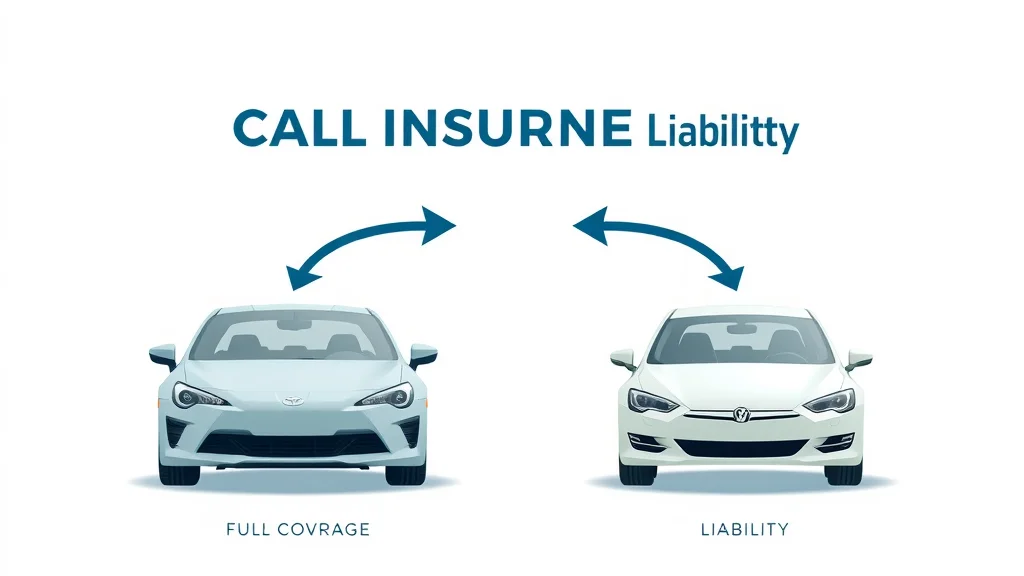
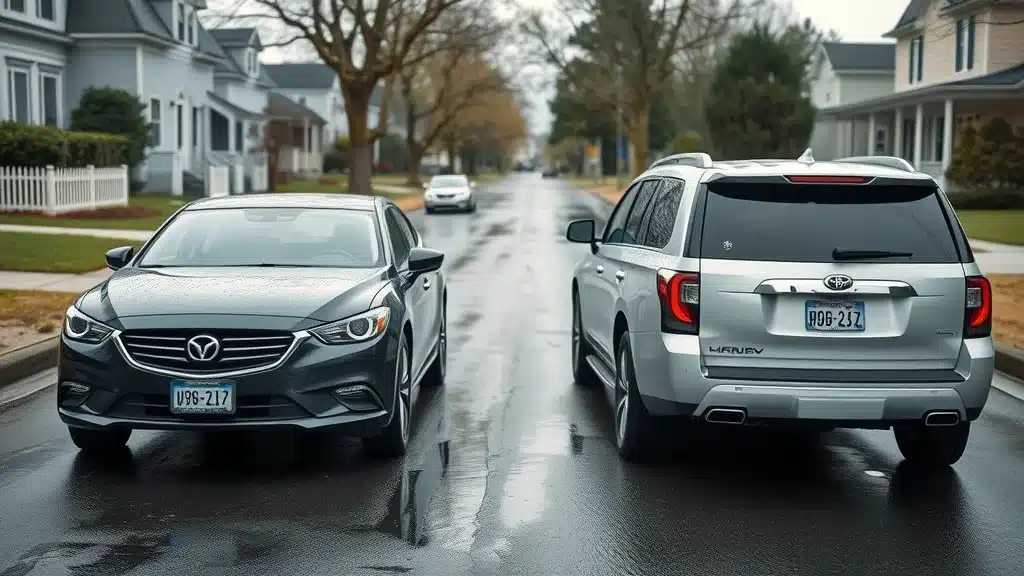
Comparison of used sedan and luxury SUV in Columbia, SC — differences in insurance cost by coverage 2026

Optional Add-Ons: Are They Worth the Higher Insurance Premium?

Many Columbia drivers wonder if extras like uninsured motorist, roadside assistance, or glass replacement are worth their price. Add-on coverages do boost your total insurance cost—sometimes by as much as 15–20%—but can be crucial in a city where about 1 in 7 drivers is uninsured.

Options like comprehensive coverage provide peace of mind after storms or vandalism. Others, like gap coverage for new cars or rideshare endorsements for those who drive for Uber or Lyft, may be dictated by your lifestyle or vehicle use. Always discuss these add-ons with your agent to weigh cost versus benefit given Columbia’s particular risk factors.

Comparing Car Insurance Companies in Columbia, South Carolina

  • Largest local car insurance providers by market share in 2026
  • Ratings and customer satisfaction for insurance in South Carolina
  • Which companies offer the most competitive insurance premiums?

Several national and regional insurance companies serve Columbia, but the best policy depends on your specific situation. Local market leaders—such as State Farm, Allstate, GEICO, and local outfits like SC Farm Bureau—compete on both service and price. Customer satisfaction scores and claim response times may be even more important than rate quotes alone, particularly in a region like South Carolina where unexpected weather can trigger widespread claims.

Most Columbia residents agree: shopping for coverage every 1–2 years almost always leads to a better deal. Comparing policy quotes and researching customer reviews are vital if you want the lowest insurance premium for your unique combination of ZIP code, vehicle, and driving history.

Typical Insurance Costs for Common Columbia Driver Profiles

The average car insurance premium changes dramatically depending on whether you’re a young driver, experienced commuter, or retiree sticking close to home. Here’s a snapshot of what you might expect to pay for car insurance in South Carolina based on three frequent Columbia personas:

Profile Average Annual Premium
Single student, age 22, clean record $3,420
Married couple, age 40, 1 speeding ticket $2,210
Retiree, less than 5 miles/year $1,090

Insurance agent and Columbia customer shaking hands after discussing car insurance rates in 2026

Why Are Car Insurance Costs Increasing in South Carolina and Columbia SC?

  • Rising claim frequency from severe weather
  • Increased urban traffic congestion and accidents
  • Inflation of repair and medical costs
  • Insurance company rate adjustments in South Carolina

Multiple factors are behind rate hikes in Columbia and across South Carolina. Most notably, more severe summer storms have led to greater numbers of damage claims. Citywide growth means more congestion and fender-benders, which directly raise the average cost of insurance in south carolina. Combine this with inflation in the repair and healthcare markets, and insurers have little choice but to adjust rates upward in order to remain solvent.

Insurer rate adjustments aren’t always about profit—it’s often about recalibrating after particularly expensive storm years, or about finding the right balance between risk exposure and coverage availability for South Carolina drivers.

Summer storm hitting Columbia, SC — insurance claims rising in 2026

“Columbia’s rising population and frequent summer storms have a measurable impact on car insurance rates.”

How Can You Save Money on Car Insurance in Columbia SC in 2026?

  1. Shop and compare insurance rates annually
  2. Take advantage of student and safe driving discounts
  3. Improve your credit score
  4. Bundle home and auto insurance
  5. Check for telematics and usage-based discounts

Even with rates trending upward, there are practical ways to save money on car insurance in Columbia. Annual comparison shopping is the biggest driver of savings—insurance companies regularly update their models and often offer “new customer” incentives or discounts for safe drivers, students, or those with excellent credit. For many, bundling auto and home insurance results in discounts as high as 15%. Increasingly, telematics programs that monitor mileage or driver behavior provide strong incentives for low-mileage or careful drivers who want a more tailored (and cheaper) insurance premium.

Improvements in your credit score or changing to a vehicle with lower repair costs can also lower your rates over time. By staying informed and proactive, you’ll be better positioned to handle changes in car insurance costs—and perhaps even beat the system.

People Also Ask: Is Car Insurance Going Up in 2026?

Expert Analysis: Projected Rate Increases for Car Insurance in South Carolina

All reputable industry projections point to continued insurance rate increases in South Carolina for 2026, with most major insurers forecasting average hikes of 5–8%. The biggest drivers remain storm-related claims, inflation in vehicle and health sectors, and a steady uptick in accidents involving younger or inexperienced drivers. While there’s some variation based on company and ZIP code, Columbia is unlikely to see rates drop anytime soon. Regularly reviewing your policy and exploring new insurer offers will be important in keeping your costs manageable this year.

Insurance analyst in Columbia SC reviewing charts of car insurance cost projections for 2026

People Also Ask: How Much Will Auto Insurance Go Up in 2025?

Yearly Premium Change: 2024 vs. 2025 vs. 2026

Columbia drivers saw auto insurance premiums rise roughly 5% going into 2025, followed by an even sharper increase of 7% into 2026. This pattern mirrors trends in other cities across the state, with incremental yet significant annual jumps making car insurance a growing part of household budgets. The primary culprits? More frequent severe weather, rapidly rising medical/repair costs, and an evolving insurance industry recalibrating risks for the modern, increasingly urban South Carolina.

Expect moderate but persistent rate hikes for at least the next year, especially as insurers continue to digest loss data and reconsider their exposure to high-risk neighborhoods and risky driver profiles.

People Also Ask: Why Am I Paying $400 a Month for Car Insurance?

High Risk Categories and How to Lower Your Car Insurance Cost

If you find yourself paying $400 a month, you likely fall into a “high-risk” category—perhaps due to recent accidents, tickets, a low credit score, younger age, or living in a high-claim ZIP code within Columbia. Advanced vehicles with above-average repair costs, a history of lapses in insurance coverage, or recent gaps in employment can also drive your rates up.

To reverse this trend, focus on building a clean driving record, improving your credit score, exploring less costly vehicles, or even moving to a lower-risk ZIP code. Compare several offers and ask about safe driver, low-mileage, and bundled policy discounts. In most cases, costs can be brought down with diligence and by reexamining the specifics of your policy with local agents.

People Also Ask: Why Is Car Insurance Going Up in South Carolina?

A Closer Look at Economic, Environmental, and Policy Factors

Insurance costs are rising across the region for several key reasons. Economic inflation has pushed the price of parts, vehicles, and medical care higher, directly boosting insurance premiums for both basic and full coverage policies. South Carolina’s more frequent and severe summer storms are driving up comprehensive and property damage claims, while urban growth in places like Columbia increases the likelihood of both traffic accidents and theft.

Regulatory changes, as well as new risk models adopted by insurers, can mean bigger jumps in renewal pricing for certain driver groups or postal codes each year. In short, the upward trend is being shaped by a triangle of economics, weather, and evolving insurance industry practices.

FAQs: How Much Does Car Insurance Cost in Columbia, SC in 2026?

  • What is the average cost of car insurance in Columbia, SC for full coverage?
    As of 2026, the average annual cost for full coverage in Columbia is $2,395, higher than both the South Carolina state and national averages.
  • How can I qualify for lower car insurance premiums?
    Maintain a clean driving record, raise your credit score, shop rates annually, and ask about available discounts for bundling, safe driving, student status, or telematics programs.
  • Are there special rates for students near USC?
    Many insurers offer discounts to good students (higher GPAs), often requiring proof of enrollment at University of South Carolina. Student ZIP codes, however, can drive rates higher due to accident frequency.
  • What factors do insurance companies evaluate most in 2026?
    Insurers consider your driving history, credit score, age, vehicle, ZIP code, and chosen coverage level most heavily in determining your premium.
  • Is it cheaper to pay car insurance annually or monthly?
    Many carriers provide “pay-in-full” discounts to those who pay annually. Monthly billing can cost more over time due to installment fees.

Real Quotes: Columbia Residents Describe Their 2026 Insurance Premiums

“I was surprised my rate jumped after moving to Five Points, but not after my sister had two claims in just one year.”
– USC Student, 23

“Bundling my car and home saved me over $500 per year on insurance premiums.”
– Devonte, Rosewood Resident

Key Takeaways: Understanding Insurance Costs in Columbia SC for 2026

  • Car insurance costs in Columbia SC are projected to remain slightly above the state average in 2026.
  • Credit, driving record, age, ZIP code, and coverage level drive your final rate.
  • Annual rate shopping and bundling coverage typically yields the best savings.

Conclusion: Navigating 2026 Car Insurance Costs in Columbia SC

Choosing Coverage as a Columbia Resident — What Matters Most?

  • Start by understanding your driving needs and local risks
  • Regularly review your insurance policy and compare company offerings
  • Don’t hesitate to seek expert advice for the best outcomes

By staying informed and proactive, you can make the most out of your insurance coverage and avoid paying more than necessary as the local market evolves.

Ready to compare quotes? Get Car Insurance In Columbia Nowhttps://insuranceshoppingexperts.com/columbia-sc-car-insurance/

Sources

In 2026, Columbia, South Carolina, continues to experience car insurance rates that are slightly above both the state and national averages. The average annual premium for full coverage in Columbia is approximately $2,395, compared to the South Carolina state average of $2,210 and the national average of $2,385. (insurify. com) Several factors contribute to these elevated rates: Urban Traffic Density: Columbia’s status as a mid-sized city with dense traffic leads to a higher likelihood of accidents, influencing insurance premiums. (budgetautoquote. com) Severe Weather Risks: The region’s susceptibility to storms and heavy rainfall results in increased claims for weather-related damages. (budgetautoquote. com) Demographic Factors: The presence of the University of South Carolina introduces a significant number of young drivers, who statistically pose higher risks, thereby affecting overall insurance costs. (budgetautoquote. com) Insurance premiums in Columbia also vary based on individual factors such as driving history, credit score, age, and the specific ZIP code. For instance, drivers with clean records and good credit scores may secure lower rates, while those with violations or residing in high-claim areas might face higher premiums. (budgetautoquote. com) To mitigate these costs, Columbia residents are encouraged to: Compare Rates Annually: Regularly shopping around can help identify more competitive rates. (budgetautoquote. com) Maintain a Clean Driving Record: Avoiding traffic violations can lead to lower premiums. (budgetautoquote. com) Consider Bundling Policies: Combining auto insurance with other policies, like homeowners insurance, may result in discounts. (budgetautoquote. com) By staying informed and proactive, drivers in Columbia can better navigate the evolving insurance landscape and potentially reduce their premiums.

Does Homeowners Insurance Cover Earthquakes in Lexington, SC?

Shoppy Lexington SC Insurance

Did you know that South Carolina is one of the most earthquake-prone states east of the Mississippi, and yet many Lexington homeowners are unaware of a major gap in their insurance coverage? In this comprehensive guide, we’ll explore if and how your homeowners insurance covers earthquake damage in Lexington, SC. You’ll gain practical knowledge about how to protect your home, your personal property, and your peace of mind against unexpected seismic events.

Understanding Earthquake Coverage: Essential Insights for Lexington, SC Homeowners

Earthquake coverage remains an often-overlooked aspect of home protection in Lexington, SC, but recent events have shown it’s more relevant than ever. For many homeowners, distinguishing between standard homeowners insurance and specialized earthquake insurance is vital. Most homeowners insurance policies do not cover earthquake damage, which means that in the event of a tremor, property losses, repairs, and additional living expenses may not be reimbursed unless you carry a separate or add-on earthquake insurance policy.

In this article, you’ll discover how earthquake insurance supplements standard coverage, learn about policy inclusions and exclusions, and understand how to evaluate your risk and available options as a Lexington homeowner. The steps to add or improve your earthquake protection will empower you to make confident insurance decisions in a region where seismic activity is a genuine concern.

  • How earthquake coverage works in Lexington, SC
  • Differences between homeowners insurance and earthquake insurance
  • Typical inclusions and exclusions
  • How to evaluate your risk and policy options
  • Steps to add or enhance coverage

Why Earthquake Coverage Matters: Surprising Statistics & Insights

According to the U.S. Geological Survey, South Carolina ranks among the most earthquake-prone states east of the Mississippi.

Aerial view of residential neighborhood in Lexington, SC with highlighted local fault line, illustrating regional earthquake risk — earthquake coverage

  • Key facts: South Carolina has experienced a series of moderate and minor earthquakes over the past decades, with the Charleston region historically recording the largest earthquake in eastern United States history (1886).
  • Recent history: Local seismic activity has increased awareness and scrutiny of earthquake insurance needs across Lexington and the Midlands.
  • Geological survey data: Maps and studies reveal that portions of Lexington are located near regional fault lines, making the need for earthquake coverage both practical and timely for homeowners.

How Standard Homeowners Insurance Addresses Earthquake Damage

Homeowners Insurance: Does It Cover Earthquake Damage?

A standard homeowners insurance policy protects against a variety of perils, such as fire damage, theft, and windstorms, but rarely covers earthquake damage. Earthquake insurance is considered a separate line of coverage, sometimes offered as an endorsement or as a standalone policy. Without this additional protection, expenses from cracked foundations, collapsed walls, or ruined belongings due to an earthquake must be handled out-of-pocket.

  • Definitions: Homeowners insurance covers regular perils, while earthquake insurance specifically covers seismic losses.
  • Without earthquake insurance: Homeowners are left to fund costly repairs themselves after an event.
  • Exclusions: Typical policies explicitly exclude Earthquake damage, except in rare provisions or special bundles.

Concerned homeowner in Lexington, SC reviewing insurance paperwork to determine if earthquake damage is covered

Earthquake Damage: Common Exclusions

Standard homeowners policies may cover limited “ensuing” losses—like fire that results from an earthquake—but they do not extend to repairs for the earthquake itself. Damage to personal property, such as electronics and important documents, may also be excluded, leaving a gap in your financial security after a seismic event.

  • Structure vs. personal property: Your home’s structure and attached garages usually require earthquake coverage for protection.
  • Uncovered scenarios: Losses from foundation cracks, chimney damage, or ground movement are often denied without earthquake insurance.
  • Living expenses: After a major earthquake, the cost of staying elsewhere may not be reimbursed under most standard homeowners policies.

Earthquake Insurance Policies: What They Cover and Why You May Need One

Earthquake Insurance Policies Explained

Earthquake insurance policies are designed to fill the coverage void left by standard homeowners insurance. These specialized plans directly address the destruction and disruption that earthquakes can inflict on Lexington homes. They cover structural damage, loss of valuables, and often, the living expenses required to relocate after a disaster.

  • Supplemental protection: Earthquake insurance augments your home insurance, ensuring you’re reimbursed for seismic losses.
  • Covered losses: Policies usually address structural repair, personal property replacement, and temporary housing.

Personal Property, Structural, and Additional Living Expenses

Earthquake coverage often extends to three key areas: structural repair, personal property, and additional living expenses. Each aspect is essential for recovering financially and maintaining daily life if your home is significantly damaged.

  • Personal property: Earthquake insurance generally insures valuable contents, but may have specific limitations, such as lower coverage for expensive jewelry or electronics.
  • Home repair: Policies typically cover the cost to repair or rebuild damaged structures, including attached garages.
  • Temporary relocation: Many plans help cover hotel stays or rent if your house becomes unlivable due to a quake.

Safe Lexington, SC family checking earthquake emergency kit, indicating preparedness for earthquake coverage benefits

Comparing Earthquake Insurance to Standard Homeowners Insurance Policies

Coverage Feature Standard Homeowners Insurance Earthquake Insurance
Structural Damage No Yes
Personal Property Coverage Limited Yes
Additional Living Expenses Sometimes Yes
Covered Natural Events Fire, wind, theft Earthquake, aftershocks
  • Pros and cons: Standard homeowners policies may offer lower premiums, but fail to cover unique earthquake risks. Earthquake insurance, while carrying higher deductibles, provides essential protection in a major quake.
  • Layering coverage: Policyholders can “layer” earthquake coverage on top of their existing insurance for maximum protection.

Side-by-side image of two Lexington, SC houses: one damaged by earthquake, one intact, illustrating benefit of earthquake insurance coverage

Assessing Earthquake Risk in Lexington, SC

To make an informed insurance decision, Lexington homeowners should consider their property’s earthquake risk. Geological surveys and fault line mapping provided by agencies such as the U. S. Geological Survey help determine risk zones, while the area’s history of seismic events, although less frequent than California, demonstrates that serious earthquakes are possible.

  • Geological surveys: Studies identify whether your home is near a fault line or at risk for severe ground shaking.
  • United States trends: South Carolina’s seismic history proves that earthquake hazards aren’t limited to the West Coast.
  • Property location: Knowing if your Lexington home is near a regional fault line will help determine your insurance needs and premium levels.

“Earthquake risk is not just a West Coast phenomenon. Even areas like Lexington, SC, can experience damaging temblors.” – Insurance Expert

How Much Does Earthquake Coverage Cost in Lexington, SC?

Factors Affecting the Cost of Earthquake Insurance

The price of earthquake insurance in Lexington, SC can vary based on several key factors. The value and construction type of your home, your home’s distance from a local fault line, and your choice of deductible play significant roles. Higher-value homes or those built on less stable soil will usually pay more for comprehensive earthquake coverage.

  • House value and construction type
  • Proximity to a fault line
  • Level of selected deductible
Coverage Level Annual Premium (Est.) Deductible
Basic $300-500 5%
Enhanced $600-900 10%
Premium $1,000+ 15%

“It’s common to see deductibles range from 5% to 15% of the home’s insured value, so choosing the right level is crucial.” – Local Insurance Agent

Professional insurance agent in Lexington, SC consulting with homeowner about earthquake insurance policy and deductibles

How to Add Earthquake Coverage to Your Homeowners Insurance Policy

  • Consult with your insurance agent to verify whether your current policy includes or excludes earthquakes.
  • Compare earthquake insurance policies across leading providers for coverage details, premiums, and deductibles.
  • Ask specific questions about exclusions, the calculation of deductibles, and the process for filing claims after an earthquake.

“Don’t assume your current homeowners insurance covers earthquakes. Always confirm and ask about endorsements.”

Notable Providers and Resources for Earthquake Coverage in Lexington, SC

  • Leading private insurers such as State Farm, Allstate, and Nationwide provide earthquake insurance or add-ons in Lexington.
  • FEMA (Federal Emergency Management Agency) and state-level emergency agencies offer disaster resources but do not replace private insurance coverage.
  • The California Earthquake Authority (CEA) serves as an example for other states but does not write policies in South Carolina; still, its resources and recommendations may help inform your emergency preparedness.

Modern insurance agency office facade in downtown Lexington, SC, representing earthquake insurance providers and resources

Earthquake Deductibles: What Lexington, SC Homeowners Should Know

Understanding the 5% Earthquake Deductible

Earthquake insurance policies typically use a percentage-based deductible, which means you must pay a percentage of your home’s insured value before coverage kicks in. For example, with a 5% deductible on a $400,000 policy, you would pay the first $20,000 of earthquake damage, and the insurer would cover losses above that amount.

  • Deductibles function as your “skin in the game”—the higher the deductible, the lower the annual premium, but potentially more out-of-pocket after a disaster.
  • Calculating your expected expenses after a quake helps you make smart decisions about coverage levels and budgeting for emergencies.

The Claims Process: Filing for Earthquake Damage

  • Document all damage immediately: Take photos, videos, and notes about home and personal property losses.
  • Your insurance agent’s role: They will guide you through submitting the claim, often performing onsite visits and explaining the timeline for approval and payment.
  • Resolution timeline: While every insurance company differs, the claim process for earthquake damage typically ranges from a few weeks to several months, depending on the complexity of assessed losses.

Lexington SC homeowner photographing earthquake damage for insurance claim process

Common Mistakes When Choosing Earthquake Insurance in Lexington, SC

  1. Underestimating earthquake risk: Many believe the threat is negligible outside of California, which is not accurate for South Carolina.
  2. Overlooking deductibles and coverage limits: Not understanding how much you’ll need to pay out-of-pocket can create financial surprises at claim time.
  3. Assuming all insurers offer adequate earthquake policies: Coverage can vary widely by company and region, so check the details.
  4. Not reviewing renewal terms: Terms, premiums, and exclusions may change from year to year; always read your updated insurance policies before renewal.

Protecting Your Personal Property and Reducing Earthquake Damage

  • Strengthen your home: Secure foundations, chimneys, and major appliances; retrofit older structures to improve resistance to tremors.
  • Secure valuables: Store important documents in fireproof, waterproof safes and anchor items like televisions and bookshelves.
  • Maintain a home inventory: A digital or written inventory list helps streamline insurance claims and ensures you do not overlook covered personal property after a disaster.
  • Real stories: Homeowners in Lexington share their claims experiences during recent seismic events and how appropriate earthquake coverage made recovery possible.
  • Agent perspectives: Local insurance agents discuss policy details, lessons learned, and how to reduce coverage gaps in light of Lexington’s measurable earthquake risk.

People Also Ask: Earthquake Coverage Questions

What does earthquake coverage cover?

  • Earthquake coverage typically pays for damages to your home’s structure and attached garages, loss or damage to personal property, and often, additional living expenses if your house is uninhabitable after an earthquake. Unlike typical homeowners insurance, it is designed for seismic-specific claims and can be tailored for your needs.

How much does it cost to insure a $400,000 house?

  • Earthquake insurance premiums for a $400,000 home in Lexington, SC generally range from $600 to $1,200 a year. The exact price depends on your deductible, your home’s construction, and how close you are to a regional fault line.

What is not covered by earthquake insurance?

  • Common exclusions include pre-existing damage, flood damage resulting from post-earthquake events, loss of land value, vehicles, and detached structures that are not specified in the policy. It’s always wise to review your insurance cover in detail with your agent.

What is the 5% earthquake deductible?

  • A 5% earthquake deductible means the first 5% of your home’s insured value is your responsibility. On a $400,000 home, this is $20,000—only losses exceeding that are covered by your policy.

FAQs: Earthquake Insurance and Homeowners Insurance Policies

  • Can I buy earthquake coverage as an add-on? Yes, most insurance companies offer earthquake endorsements that you can add to your homeowners policy.
  • Will FEMA assist with earthquake damage if I don’t have earthquake insurance? FEMA usually provides limited grants and low-interest loans after a disaster, but this assistance does not replace having robust private insurance for full recovery.
  • Who regulates earthquake insurance policies in South Carolina? The South Carolina Department of Insurance oversees the regulation of earthquake policies for all insurers operating within the state.

Key Takeaways for Lexington, SC Homeowners on Earthquake Coverage

  • Standard homeowners insurance typically does not include earthquake coverage.
  • Earthquake insurance policies are essential for comprehensive protection against seismic risk.
  • Evaluate your regional risk using local and federal geologic data before choosing a policy.
  • Understand how policy deductibles and limits impact your ability to recover after a quake.

Ready to Protect Your Home? Find the Right Home Insurance in Lexington, SC

  • Explore the most competitive earthquake insurance policies available.
  • Speak with a trusted insurance agent about tailoring coverage for your Lexington property.
  • Compare policies today: Home Insurance In Lexington SC

Conclusion

Earthquake coverage is a smart investment for Lexington, SC homeowners seeking to close coverage gaps and protect their personal property and homes from seismic risks. Don’t wait—review your insurance policies and enhance your coverage today!

Sources

Understanding earthquake insurance is crucial for homeowners in Lexington, SC, given the region’s seismic activity. The South Carolina Department of Insurance provides a comprehensive guide titled “Are You Covered for an Earthquake?” This resource details the necessity of separate earthquake coverage, as standard homeowners policies typically exclude earthquake damage. It also explains deductible structures and offers steps to take if your property sustains earthquake damage. (doi. sc. gov) Additionally, the South Carolina Emergency Management Division offers valuable insights in their “Contacts and Resources” section. This page emphasizes the state’s moderate to high earthquake risk and outlines reasons to consider earthquake insurance, including potential financial impacts and coverage details. It also provides information on the SC Emergency Manager App, which can help homeowners stay informed about seismic activity and preparedness measures. (earthquake. sc) For a broader perspective, Kiplinger’s article “Should You Get Earthquake Insurance?” discusses the importance of earthquake insurance for U. S. residents in seismically active areas. It highlights that standard home insurance typically excludes earthquake-related damages, necessitating separate policies. The article also covers factors influencing insurance costs and the potential financial consequences of not having coverage. (kiplinger. com) If you’re serious about protecting your home and finances from earthquake damage, these resources will provide you with the necessary information to make informed decisions about your insurance coverage.

Do You Need Earthquake Coverage in Columbia, SC?

Shoppy Columbia SC Insurance

Did you know that South Carolina is the most earthquake-prone state on the East Coast and has experienced thousands of tremors since 1900? Many homeowners in Columbia don’t realize that their standard home insurance does not cover earthquake damage—leaving a major gap in protection if disaster strikes. In this in-depth guide, we reveal why earthquake coverage matters in Columbia, SC, explore what’s at stake for property owners, and show you how to make a well-informed decision for your home’s safety and your financial security.

A Surprising Risk: Why Earthquake Coverage Matters in Columbia, SC

When most people think about devastating earthquakes in the United States, California usually comes to mind. However, South Carolina ranks as one of the top seismic regions on the East Coast and, surprisingly, has a long history of damaging tremors. In Columbia, the risk is real, though frequently overlooked—making earthquake coverage a critical consideration for homeowners. While the odds of a major quake are relatively low, the financial consequences of going without coverage can be severe, especially since standard home insurance policies don’t cover earthquake damage. Without a specific earthquake insurance policy, homeowners may be left to absorb all repair costs, possible rebuilding expenses, and additional living expenses if their home becomes uninhabitable.

In recent decades, minor earthquakes have rattled homes across Richland County. Even small tremors can cause foundation cracks, shifting walls, and damage to plumbing or electrical systems—repairs that aren’t cheap. Many homeowners make the mistake of assuming that such a risk won’t affect them or that their insurance company would cover these damages. Unfortunately, this misconception could leave families facing tens of thousands of dollars in uncovered damage. Reviewing your exposure and understanding the regional geology can help you decide if earthquake coverage in Columbia is a wise step for protecting your investment and peace of mind.

Columbia SC homeowner on their porch examining home insurance binder with subtle foundation cracks, illustrating earthquake coverage concerns

Startling Facts and Regional Data About Earthquake Damage

Earthquake risk in Columbia, SC, often flies under the radar, but regional data tells a different story. South Carolina is home to the second most active seismic zone east of the Mississippi: the Charleston Seismic Zone. According to the United States Geological Survey (USGS) and South Carolina’s own emergency management agency, the state has experienced over 80 recorded earthquakes since 2000 alone, most concentrated in the central and eastern regions of the state. Though many of these quakes are too minor to cause widespread destruction, even small shifts can inflict difficult-to-diagnose structural damage to homes, particularly older brick houses or properties built before modern building codes accounted for seismic threats.

In 1886, Charleston, just two hours from Columbia, was struck by a magnitude 7. 0 quake that damaged structures as far away as Ohio and caused ground shaking in Columbia. More recently, smaller quakes—like the 2022 Elgin series—have reminded area residents of their vulnerability. Emergency preparedness experts caution that South Carolina’s deep, soft soils can actually amplify tremors, increasing damage risk. Despite these facts, fewer than 10% of homeowners in the region carry earthquake insurance. Having a financial safeguard in place isn’t just about historical events—it’s about realistic forward planning.

“Many homeowners in South Carolina underestimate their earthquake risk, especially in the central region.” – Columbia Geological Survey Expert

What You’ll Learn About Earthquake Coverage

  • The fundamentals of earthquake coverage compared to standard homeowners insurance
  • Columbia, SC’s earthquake insurance risk landscape
  • How earthquake damage is assessed and covered
  • Factors influencing earthquake insurance cost in Columbia
  • How to evaluate your own risks and coverage needs

Understanding Earthquake Coverage and Earthquake Insurance

What Is Earthquake Coverage?

Earthquake coverage is an add-on option or separate insurance policy designed to help property owners recover from earthquake damage that isn’t covered by a traditional homeowners insurance plan. If an earthquake causes your home to crack, shift off its foundation, or even experience total loss, earthquake insurance can help you pay for necessary repairs, rebuilding, and even temporary relocation as part of additional living expenses. Unlike fire damage or theft, which are often included in a standard policy, earthquake risks are usually excluded—meaning you’re financially exposed unless you secure this specialty protection.

The specifics of earthquake insurance can vary by provider, but most policies offer coverage for structural damage to the main dwelling, attached and detached structures (like garages), and, optionally, your personal property. Some policies even cover costs for debris removal and emergency repairs, providing a crucial buffer for families rebuilding after a seismic event. Coverage may be available as an endorsement to your home insurance or as a standalone earthquake insurance policy, depending on your insurer and your home’s construction.

Insurance agent in Columbia SC explaining earthquake insurance options to diverse homeowners, referencing digital visuals

How Earthquake Insurance Is Different From Homeowners Insurance

Many property owners assume their standard policy will cover earthquake damage, but this is a costly misconception. Homeowners insurance is designed for common perils such as fire damage, hail, theft, or certain types of water damage, but it specifically excludes losses caused by earthquakes. As a result, when a tremor shakes your home or cracks your foundation, your insurer won’t pay unless you’ve added earthquake coverage. This knowledge gap leaves many residents in Columbia, SC, dangerously unprotected.

Unlike regular homeowners insurance plans, earthquake insurance comes with its own structure, typically including a separate deductible (often calculated as a percentage of your total insured dwelling value) and distinct exclusions. Coverage can be customized based on your lender’s requirements, the value of your property, and unique risk factors (such as local seismicity, age, and style of your home). Because these policies address a specialized risk, they typically need to be purchased separately, either from your home insurance company or through specialty providers with experience handling seismic damage claims.

How Insurance Policies Cover Earthquake Damage and Additional Living Expenses

If an earthquake damages your home, a dedicated earthquake insurance policy can help pay for repairs to your home’s structure, attached garages, and certain personal property. But there’s another benefit that’s often overlooked: reimbursement for additional living expenses (ALE). This coverage kicks in if your home becomes uninhabitable due to earthquake damage, paying for hotel stays, temporary rentals, restaurant meals, and other costs you may incur while rebuilding. ALE can be a financial lifesaver during a major disruption, allowing families to maintain their routines without incurring overwhelming out-of-pocket costs.

Not every policy covers additional living expenses by default—some include it as a standard feature, while others require it as an add-on. Policy details matter, so it’s essential to read your plan’s terms carefully or consult with an experienced insurance agent to ensure comprehensive protection. Remember: earthquake insurance is purpose-built to cover damage that’s excluded from traditional homeowners plans, filling an essential coverage gap that’s crucial for financial stability after a quake.

Comparison of Standard Homeowners Insurance vs. Earthquake Insurance Policy Features
Policy Feature Standard Homeowners Insurance Earthquake Insurance
Covers Earthquake Damage No Yes
Fire Damage Yes Yes (if related to earthquake, sometimes excluded)
Flood Damage From Earthquake No No (usually separate flood insurance required)
Structural Damage Covered (excluding earthquakes) Covered (if caused by earthquake)
Personal Property Covered (excluding earthquakes) Optional/add-on
Additional Living Expenses Covered (excluding earthquakes) Often covered but check policy specifics

Does Columbia, SC Need Earthquake Coverage?

Seismic Risks and Historical Earthquake Damage in South Carolina

South Carolina may not get as much publicity for seismic activity as California, but its geological landscape holds surprising risks. The Charleston Seismic Zone, located southeast of Columbia, is capable of producing significant earthquakes, as history has shown. The infamous 1886 earthquake caused severe damage in Charleston and was felt across the United States, including throughout Columbia. Modern events, such as the recent Elgin earthquake swarm in 2022, serve as reminders that risk persists—and it extends into the greater Columbia region.

The consequences of even a moderate earthquake can be substantial: foundation cracks, collapsed chimneys, dislodged utilities, and damage to your home that may not be visible at first glance. Insurance companies and the US Geological Survey warn that certain building types—like older brick or stone homes—are particularly susceptible. With so many residents living in properties predating modern seismic codes, and with minimal natural buffers, much of Columbia’s housing stock is at risk, underscoring the importance of evaluating your options for earthquake coverage.

Map of South Carolina with seismic risk zones highlighted and Columbia regional context for earthquake coverage

Insights From the US Geological Survey on Columbia’s Risk Profile

The US Geological Survey (USGS) assesses seismic potential across the United States using fault line mapping and historical activity. According to their risk models, Columbia sits in proximity to the Charleston Seismic Zone, and there is measurable long-term risk for moderate to severe earthquakes. The Federal Emergency Management Agency (FEMA) and South Carolina’s emergency management authorities classify parts of the Midlands as having ‘medium’ seismic risk—higher than much of the East Coast.

Earthquake maps indicate that central South Carolina, including Columbia, is overdue for a moderate shaker. As urban growth places more homes and businesses in potential impact zones, the potential for damage caused by a future quake will only increase. While earthquake authority bodies can’t predict exactly when the next event will strike, they affirm the importance of having an insurance policy to mitigate personal financial loss. These insights should nudge homeowners to consider a proactive, risk-based approach to earthquake preparedness.

How Earthquake Coverage Prepares for Unexpected Expenses

One of the most significant benefits of earthquake insurance is its protection against the unexpected costs of repairing or rebuilding your home. Without coverage, you could face tens or even hundreds of thousands of dollars in out-of-pocket expenses for issues such as cracked foundations, damaged walls, or the need to rebuild entirely. Because standard home insurance excludes this peril, Columbia residents without a dedicated earthquake policy find themselves in a financially precarious position after a significant event.

In addition to physical repairs, coverage for additional living expenses is particularly vital. Displacement from your home due to unsafe living conditions can mean weeks—or even months—of added costs: temporary rent, utilities, increased travel, and meal expenses. With earthquake insurance, these are covered, helping families stay safe and comfortable while navigating the disruption of a natural disaster. The bottom line: preparation through insurance equals peace of mind, even when the risk feels remote.

Earthquake Insurance Policies: What They Cover and What They Don’t

Typical Earthquake Damage Covered by an Insurance Policy

An earthquake insurance policy is primarily intended to cover earthquake damage that affects the structure of your home, including its foundation, walls, roof, and attached garages. Some plans also include coverage for selected internal home systems (like HVAC, electrical, and plumbing) and limited personal property such as electronics or furniture. If an earthquake renders your home uninhabitable or unsafe, policies typically reimburse additional living expenses—from temporary housing to meals and laundry—while repairs are made.

Further, many earthquake insurance policies can be customized. You may choose to include separate structures like fences or detached garages or increase personal property limits depending on your asset profile. Coverage typically starts only after deductible requirements are met—but for most families, it provides crucial protection against the potentially ruinous cost of seismic damage that isn’t covered by standard insurance.

Exclusions: What Is Not Covered by Earthquake Insurance

It’s equally important to recognize what earthquake insurance does not cover. Most policies expressly exclude indirect damage caused by landslides, sinkholes, fire damage (unless specifically added), flooding from burst pipes or breaks in water mains, and any loss to landscaping, pools, vehicles, or fences. Often, separate riders or other types of insurance are recommended to address the full spectrum of risks associated with earthquakes.

Understanding these exclusions can help you fine-tune your risk management strategy. If your Columbia, SC property includes costly landscaping or non-attached buildings, speak directly with your insurance agent about what options are available and whether you should carry additional policies. A thorough review ensures you’re protected where it matters most and can help avoid surprises if you ever need to file a claim.

  • Common Items Not Covered: Landscaping, pools, fences, vehicles, detached patios, pre-existing structural problems, and losses from earth movement not directly caused by an earthquake.

Understanding Earthquake Deductibles (Including the 5% Deductible)

Earthquake insurance policies use percentage-based deductibles, which work differently from the fixed deductibles (like $1,000) common to regular home policies. For example, if you carry a 5% deductible on a $400,000 home, you are responsible for the first $20,000 of earthquake damage before your policy provides coverage. This means you need to be financially prepared to cover this amount out of pocket in case of a claim. The deductible applies separately to each coverage type (dwelling, personal property, additional living expenses), so understanding your financial exposure is crucial.

Higher deductibles can help lower your premium—but they increase the costs you must pay if disaster strikes. When shopping for earthquake coverage in Columbia, SC, weigh your budget against your risk and choose a deductible that balances affordability with the need for meaningful protection. Always review these details with your insurance agent to understand the impact on your overall risk plan.

How Much Does Earthquake Insurance Cost for a $400,000 House in Columbia, SC?

Factors That Impact Earthquake Insurance Cost

The price of earthquake insurance in Columbia, SC, depends on several variables. The most significant factors are your home’s value, its construction type (brick, frame, stone), overall age, proximity to known fault lines, and soil composition beneath the foundation. Homes built on softer soils, or those not up to modern seismic codes, often carry higher premiums with insurance companies due to the increased risk of damage caused by tremors. Additionally, the estimated cost of reconstruction in local markets and your chosen deductible will have a meaningful impact on your final premium.

Location within the city also matters—homes situated in mapped higher-risk zones, as established by the geological survey and emergency management agency, will see higher rates than those outside of active seismic zones. Policy customization—such as adding personal property, increased ALE limits, or riders for unique structures—will also influence your annual premium. These factors underscore the importance of requesting customized quotes from providers who understand the specific seismic risks present in Columbia, SC neighborhoods.

Sample Premium Estimates for Earthquake Insurance Policies in Columbia, SC ($400,000 Home Value)
Construction Type Annual Premium (5% Deductible) Annual Premium (10% Deductible)
Wood Frame $230 – $350 $160 – $250
Brick/Masonry $400 – $600 $280 – $400
Older/Pre-1980 Construction $500 – $700 $350 – $480
New/Modern Seismic Code $200 – $320 $140 – $210

Estimates based on leading insurance companies and earthquake authority sources as of 2024. Actual rates may vary.

Tips for Lowering Your Earthquake Premium in South Carolina

Homeowners shopping for earthquake insurance in Columbia, SC can take concrete steps to reduce their premiums. Start by reinforcing your home if possible—retrofitting older properties, securing water heaters, and bolting the foundation can all demonstrate reduced risk to insurance companies. Opting for a higher deductible (such as 10% versus 5%) will directly lower your annual cost, though this does increase your out-of-pocket expenses in the event of a claim.

Comparing quotes from specialized earthquake authority providers, bundling your earthquake coverage with your existing home insurance, and working with an experienced insurance agent familiar with Columbia’s unique risk factors can also drive savings. Some insurers may offer additional discounts if you’ve installed safety upgrades or if your neighborhood demonstrates community-wide mitigation efforts. Always ask about available policy discounts to maximize your protection while minimizing cost.

How to Choose the Right Earthquake Coverage for Your Property

Evaluating Earthquake Risks: Homeowners, Renters, and Beyond

Choosing the best earthquake insurance requires an honest assessment of your unique risk profile. Begin by considering your home’s age, type of construction, and proximity to mapped fault lines, as well as recent seismic activity tracked by the US Geological Survey. Don’t overlook your financial situation: could you afford to repair or rebuild without insurance after a major quake? If not, earthquake coverage becomes less an option and more a necessity. Renters should know that while the dwelling itself is the landlord’s responsibility, renters insurance can sometimes include earthquake protection for personal belongings—ask your agent for details.

Local building codes, neighborhood history, and even soil type can all contribute to your risk. Use publicly available tools from the Federal Emergency Management Agency (FEMA) or your insurance company’s online risk assessment calculators. Columbia residents should factor in regional history, recent tremors, and home value when shopping for the right insurance policy.

  • Checklist: Steps to Take When Shopping for Earthquake Insurance
    • Review your current homeowners or renters insurance to confirm earthquake exclusion.
    • Assess your property’s risk—account for age, style, materials, and location.
    • Contact multiple insurance companies familiar with Central SC’s seismic activity.
    • Compare policy details: coverage limits, deductibles, exclusions, and ALE benefits.
    • Choose additional endorsements/riders if you have special property (detached structures, etc.).
    • Work with a local insurance agent to clarify policy fine print and tailor to your budget.
    • Revisit coverage as your property value, neighborhood risk, or building code changes.

Expert Insight: Is Earthquake Coverage Worth It in Columbia, SC?

“While major earthquakes are rare, the financial damage can be enormous—and standard insurance policies don’t cover quake losses.” – Regional Insurance Authority Advisor

Deciding Factors: Home Construction, Neighborhood, and Local Fault Lines

Should you invest in earthquake coverage in Columbia, SC? For many, the decision hinges on a combination of local seismic risk, the age and construction of your home, and the proximity to known fault lines. Homes built before 1990—particularly brick or stone properties—are more vulnerable to earthquake damage and should be prioritized for coverage. Likewise, neighborhoods located in mapped risk zones or built on softer soils face elevated risk assessments from geological surveys and insurance companies alike.

Even if your neighborhood has never experienced a major quake, the presence of fault lines near Columbia means the risk is not zero. Investing in earthquake insurance is about safeguarding your family’s financial stability if the unexpected occurs. Consult with a trusted insurance agent and regional experts to tailor your protection to the unique risks of your home and community.

Inspector evaluating Columbia SC home's foundation for earthquake risk with modern tools and clear documentation

People Also Ask About Earthquake Coverage in Columbia, SC

What does earthquake coverage cover?

Earthquake coverage generally includes repairs to your home’s structure, detached structures, and sometimes your personal belongings. Policies may also include additional living expenses if your house is uninhabitable after an earthquake.

How much does it cost to insure a $400,000 house?

Costs vary, but earthquake insurance for a $400,000 house in Columbia, SC can range between $200 and $600 annually. Precise rates depend on construction type, deductible selection, and provider.

What is not covered by earthquake insurance?

Earthquake insurance typically does not cover external landscaping, pools, fences, or vehicles. It also commonly excludes flood or fire damage caused by quakes, which may require separate coverage.

What is the 5% earthquake deductible?

A 5% earthquake deductible means you’re responsible for the first 5% of your home’s insured value (e.g., $20,000 on a $400,000 home) for repairs, before coverage begins.

Frequently Asked Questions About Earthquake Insurance and Coverage

  1. Is earthquake coverage mandatory for homeowners in Columbia, SC?
    No. Currently, neither the state of South Carolina nor local ordinances require earthquake coverage for homeowners. However, some mortgage lenders may ask for it in high-risk areas, and it’s good practice to consider adding protection.
  2. Can renters purchase earthquake insurance in Columbia?
    Yes, renters can often add earthquake protection to their renters insurance to cover personal property. Check with your provider to see what options are available locally.
  3. Does an insurance policy cover earthquake damage to contents?
    Some earthquake insurance policies offer optional coverage for personal property, while others may require a separate endorsement. Review your policy specifics and talk to your insurance agent.
  4. Are there alternatives to traditional earthquake insurance policies?
    Some specialty insurers and state-backed authorities offer alternative plans, and FEMA’s disaster grants may be available after certain events. However, private earthquake insurance is the most reliable protection for homeowners.

Key Takeaways: Earthquake Coverage in Columbia, SC

  • Most homeowners insurance policies in Columbia, SC do NOT cover earthquake damage
  • Unique geological factors put parts of South Carolina at higher quake risk
  • Earthquake insurance fills a significant coverage gap for many homeowners
  • Consider your property value, location, and risk tolerance before deciding

Explore Home Insurance Rates in Columbia, SC

Couple in Columbia SC comparing home and earthquake coverage quotes online with confidence

Ready to compare earthquake coverage and find the best rates?Check out our local insurance partner for personalized Columbia, SC home insurance quotes.

Conclusion: Should You Get Earthquake Coverage in Columbia, SC?

Understanding your risk and making an informed decision on earthquake insurance will help you protect your property and your family’s financial security.

Sources

South Carolina experiences approximately 10 to 15 earthquakes annually, with three to five of them felt by residents. Notably, standard homeowners insurance policies do not cover earthquake damage; a separate endorsement or policy is required to protect against such losses. (doi. sc. gov) The 1886 Charleston earthquake, with an estimated magnitude of 6. 9–7. 3, caused significant damage and was felt as far away as Boston and Chicago. This event underscores the potential risk of seismic activity in the region. (en. wikipedia. org) Given the state’s seismic history and the limitations of standard insurance policies, homeowners in Columbia, SC, should consider obtaining earthquake coverage to safeguard their properties and financial well-being.

How Car Insurance Rates Are Calculated in Lexington SC

Shoppy Lexington SC Insurance

Did you know? Lexington drivers can pay up to 25% more on average for car insurance premiums than drivers just a few miles away—all because of local risk factors unique to the area. Understanding how car insurance rates are calculated in Lexington SC isn’t just a matter of formulas; it’s a combination of your driving habits, neighborhood risk profiles, and even the South Carolina weather. If you’ve ever wondered why your car insurance seems high or what you can actually do about it—this guide is for you.

A Surprising Look at How Car Insurance Rates Are Calculated in Lexington SC

Many Lexington residents are startled to learn that car insurance premiums are far from set in stone, even among neighbors with similar vehicles. Insurance companies use a blend of personal data, local risk profiles, and statewide regulations to arrive at your rate. Did you know even your ZIP code, proximity to high-traffic intersections, or a single speeding ticket can each trigger significant swings in your insurance costs? This section peels back the layers to reveal the variables—both obvious and hidden—that influence auto insurance rates in Lexington, SC. With insights from local experts and real comparisons, we demystify the process so you can make smarter, more cost-effective insurance decisions tailored to life in Lexington.

Whether you’re a seasoned driver with a pristine record or a family with a new teen behind the wheel, understanding the key ingredients in how car insurance rates are calculated in Lexington SC empowers you to spot savings opportunities and avoid surprises. In the next sections, we’ll break down the process, highlight unique Lexington factors, and provide actionable tips you can use right away to manage your car insurance premium.

Suburban Lexington SC neighborhood with families standing beside parked cars, highlighting auto insurance factors in a local context

What You’ll Learn About How Car Insurance Rates Are Calculated in Lexington SC

  • Key components influencing car insurance rates in Lexington SC
  • How insurance companies determine your insurance premium
  • Local regulations and their impact on auto insurance costs
  • Ways to save on your car insurance premium in South Carolina
  • Common questions drivers have about insurance rates

Understanding Car Insurance Rates in Lexington SC

When you receive your policy renewal or a new car insurance quote, the number on the page often appears mysterious. But there’s a method to the math. In Lexington, SC, insurance companies evaluate a mix of local risk, your personal driving record, and your individual choices about coverage. The auto insurance premium you pay directly reflects perceived risk—both of you having an accident and of a costly claim being filed. Local factors, like traffic patterns at exits off I-20 or increased hailstorms, directly influence insurance premiums in this part of South Carolina. Understanding these local nuances is key, because what works to lower rates in other states or even neighboring cities might not apply here.

For example, South Carolina state law requires certain minimum insurance coverage (including liability limits for bodily injury and property damage), but local insurers in Lexington may look closer at your neighborhood’s crime rates, storm history, or even proximity to popular schools. These factors, along with your personal details and choices in car insurance coverage, combine to shape your unique car insurance rate. By understanding this process, Lexington drivers can make informed choices—like adjusting deductibles or seeking out eligible discounts—to manage their insurance costs over time.

Young Lexington SC driver reviewing car insurance documents in a home office with Lexington-themed decor, representing understanding of local insurance rates

Major Factors That Impact How Car Insurance Rates Are Calculated in Lexington SC

Driving Record and Incident History

Your driving record is one of the most influential elements in determining how car insurance rates are calculated in Lexington SC. If you have a clean driving record—free from accidents, traffic violations, or claims—insurers consider you a lower risk, often resulting in a lower car insurance premium. Conversely, incidents such as speeding tickets, at-fault accidents, or a DUI can lead to higher premiums or even limit your options to certain high-risk insurance companies. Each incident on your record typically stays with you for three to five years, so recent events carry the most weight.

It’s important to note that the cost of an insurance claim—whether for personal injury or property damage—also plays a role. If you’ve filed multiple claims within a short timeframe, an insurer may project a pattern and bump you into a higher risk tier. Even one serious incident can push your rates up, while a long period of clean, claim-free driving can unlock discounts. For Lexington families, regularly reviewing your driving history (and any young drivers’) is a key step in managing overall auto insurance premiums.

Location-Specific Risks and Lexington SC Traffic Patterns

Where you live and drive in Lexington can have a sizable impact on your car insurance rates. If you’re located near high-traffic corridors like Highway 378 or close to schools where congestion peaks during drop-off hours, insurers may rate your risk higher due to the increased likelihood of accidents or vehicle theft. Lexington’s periodic storms and propensity for hail also factor into higher-than-average insurance costs, as weather-related claims are more common here compared with inland or less storm-prone areas.

Additionally, certain neighborhoods in Lexington may have above-average rates of vandalism or auto break-ins—both of which affect individual and neighborhood-wide insurance premiums. Insurance companies use aggregate local data to predict the chances you’ll need to file a claim. That’s why two drivers with similar profiles but living just a few streets apart could see different rates, all based on location-specific statistics. As Lexington continues to grow, local risk factors and traffic patterns will remain at the heart of rate determination.

Lexington SC street with diverse drivers and moderate traffic, showing how local risk impacts car insurance rate calculations

Vehicle Type and Insurance Costs

The type, age, and value of your vehicle are critical components in how car insurance rates are calculated in Lexington SC. For example, insuring a brand-new SUV loaded with advanced safety features but also high repair costs will generally cost more than covering a modest used sedan. Luxury cars, performance vehicles, and those with high theft rates typically generate higher premiums because repairs are expensive and risks associated with theft or damage are elevated. Conversely, vehicles with strong safety ratings and lower repair costs can lead to lower insurance premiums.

Insurance companies also factor in whether your car is leased, owned outright, or financed. If a lender or leaseholder requires full coverage—including comprehensive and collision coverage—your overall insurance cost rises. Drivers who opt for minimum legal coverage on older, less valuable vehicles will often pay less. However, keep in mind that lower-cost choices may increase out-of-pocket costs if you have to file a claim after an accident. In Lexington, practical vehicle choices tailored to your needs and risk profile can be a major source of savings.

Variety of cars with owners comparing vehicles at a Lexington SC dealership, representing how vehicle type impacts insurance premiums

Coverage Options: Minimums vs. Full Coverage

The amount and type of insurance coverage you choose dramatically affects your car insurance premiums. South Carolina requires specific minimums for bodily injury and property damage liability, but many Lexington drivers opt for additional protections, such as full coverage. Full coverage expands your insurance policy to include collision and comprehensive coverage, safeguarding against theft, hail, deer strikes, and more. Choosing a higher deductible can lower premiums but increases out-of-pocket risk when you file a claim.

It’s also common to add endorsements or “riders” for roadside assistance, rental cars, or gap insurance (essential for newer or financed vehicles). Each add-on increases your auto insurance premium. Conversely, scaling back coverage, especially on older vehicles, saves money but also reduces your financial safety net. The decision should be based on your personal financial situation, vehicle value, and comfort with risk. In Lexington, local storm risks and high repair costs may make some form of comprehensive and collision coverage a smart investment—even if it means a slightly higher premium.

Credit Score and Financial Factors

Many Lexington drivers are surprised to learn their credit score can play a significant role in determining how car insurance rates are calculated in Lexington SC. Insurers view a higher credit score as a sign of financial responsibility, which correlates statistically with fewer claims. As a result, drivers with strong credit often pay lower insurance premiums, while those with lower scores may face higher premiums—sometimes by hundreds of dollars per year. This practice is legal and widespread across South Carolina, and virtually all insurance companies consider it in their pricing algorithms.

Other financial indicators may also be included, such as your history of late bill payments or outstanding debts. Improving your credit score—even modestly—can yield substantial savings on auto insurance premiums. Simple steps like paying bills on time, reducing credit card balances, and regularly monitoring your credit report not only improve your financial profile but could lead to lower insurance costs with your next policy renewal. In Lexington’s competitive insurance market, keeping tabs on your credit is a powerful tool for controlling auto insurance rates.

Lexington SC resident reviewing credit report at kitchen table, illustrating how credit scores affect car insurance premiums locally

Personal Demographics: Age, Gender, and Marital Status

It’s no secret that insurance companies consider personal demographics such as age, gender, and marital status when setting car insurance premiums. In South Carolina, younger drivers—especially teens—typically pay the highest rates due to limited driving experience and higher accident risk. Males under 25 are usually quoted higher than females, although these gaps often narrow with age and clean driving. Married individuals also tend to see lower premiums, as statistical data links marital status to safer driving habits and fewer claims.

These demographic factors are largely out of your control, but certain strategies can help. For example, families in Lexington can often save by bundling policies or adding young drivers to an existing policy with established driving records. This also reveals why policy premiums often drop significantly after age 25 and after marriage. Ultimately, while you can’t change your age or gender, understanding their impact prepares you to compare options wisely or seek discounts where available.

Auto Insurance Companies and Local Regulations in South Carolina

How Insurance Companies Calculate Insurance Premiums

Insurance companies use sophisticated risk models tailored to your location, vehicle, and personal profile to estimate your insurance premium. While some elements are standard—like required coverage limits in South Carolina—many are hyper-local. These models weigh your driving record, claims history, vehicle type, and credit score against statistical data for Lexington. Factors such as frequency of hail claims or accident rates on roads like US-1 or I-20 are built into the algorithm, explaining why your auto insurance premium may differ from those in nearby towns.

Insurance companies also consider how likely you are to file a claim. The more claims, accidents, or violations you have (or your neighborhood averages), the higher the projected cost to insure you—resulting in higher insurance costs. By regularly reviewing insurer calculation methods and shopping around, you’re more likely to find a company whose risk profile matches your own driving habits and situation, keeping your premiums as low as possible.

South Carolina State Regulations and Their Effect on Insurance Rates

The state sets the ground rules for all car insurance policies issued in Lexington. South Carolina law mandates minimum liability coverage: at least $25,000 per person, $50,000 per accident for bodily injury, and $25,000 for property damage. These minimums guide how every insurer structures basic coverage—but local risk still shapes your final rate. For example, storm surcharges or “zone-based” rating factors may be layered onto the base premium for Lexington addresses due to the area’s storm and hail risk history. South Carolina also allows the use of credit score and does not cap how much rates can climb after a claim, making shopping around especially important.

Differing underwriting standards, discount offerings, and claims processing protocols among insurance companies—within the same regulatory framework—mean it’s essential for drivers to compare multiple insurance quotes before selecting a policy. Local regulations, while providing baseline protections, leave plenty of room for negotiation and possible savings with the right guidance.

Professional South Carolina insurance agent consulting clients in Lexington, with legal guides and paperwork illustrating local insurance regulations

Table: Comparing Car Insurance Premiums in Lexington SC vs. Other South Carolina Cities

City Average Annual Insurance Premium Major Rate Factors
Lexington SC $1,650 High traffic density, storm risk
Columbia $1,490 Urban, higher theft rates
Charleston $1,780 Coastal, flood risk
Greenville $1,420 Suburban, moderate traffic

List: Personal Actions That Can Lower How Car Insurance Rates Are Calculated in Lexington SC

  • Maintaining a clean driving record
  • Shopping for quotes from multiple insurance companies
  • Adjusting coverage options
  • Improving your credit score
  • Taking defensive driving courses
  • Bundling home and auto insurance policies

Lexington SC driver comparing auto insurance quotes at a sunny café, showcasing proactive ways to lower car insurance rates in the area

Quotes: Local Expert Insights on Car Insurance Premiums in Lexington SC

“In Lexington, unique traffic patterns and rapid population growth have a direct impact on local insurance premiums.” – Insurance Shopping Experts

“Many drivers don’t realize how much their zip code and credit score can influence their auto insurance premium in South Carolina.” – Local Insurance Agent

Watch our explainer video for a dynamic breakdown of local factors, insurance calculations, and insights from Lexington SC streets, weather, and insurance agents. This engaging visual resource helps make sense of everything you’ve read so far!

Hidden Costs: Lesser-Known Factors in Car Insurance Premiums in Lexington SC

Some of the highest costs in car insurance go hidden in the fine print. In Lexington, severe weather surcharges, windshield replacement clauses, or increased rates for particular professions may all impact your premium. For example, repeated claims for hail or flood damage in certain Lexington neighborhoods have pushed some insurers to add ‘catastrophic loss’ fees or require higher deductibles. Some drivers pay more due to specialized commute routes (such as long drives along the I-20 corridor) that are statistically linked to more frequent accidents or delayed response times after a crash.

Even a small claim for personal injury or comprehensive and collision coverage on a new vehicle could trigger a spike in your insurance cost next year. That’s why it’s crucial not only to understand your policy’s coverage, but also to regularly review and compare policies from different providers. These ‘hidden’ factors mean your insurance premium may change even if your own record stays spotless—so stay vigilant and stay informed!

Lexington SC commuter in car during hailstorm on highway, representing hidden costs like weather surcharges and policy details in local insurance rates

Practical Example: Insurance Cost Calculation Breakdown for a Lexington Family

Imagine the Smith family, living in a residential area off Sunset Boulevard. Both parents drive daily to downtown Columbia for work, each with a good driving record, modest credit scores, and a pair of mid-range vehicles—one newer SUV with full coverage and one older sedan with minimum liability. They recently added their 17-year-old daughter to the policy. As soon as her name was added, their car insurance premium jumped by nearly $900 annually. Why?

Insurance companies calculated their new rate by weighing increased accident risk for teen drivers, Lexington’s local weather patterns (which led them to opt for comprehensive and collision coverage), and a slightly below-average household credit score. The Smiths shopped around, bundled their home and auto policies, and had their daughter complete a defensive driving course—ultimately reducing their annual increase by about $250. This real-world scenario shows just how much each factor can shift your rates, and why being proactive and informed is the Lexington way to save.

Lexington SC family discussing insurance premiums at home, with paperwork, car keys, and a dog creating a practical insurance decision scene

People Also Ask About How Car Insurance Rates Are Calculated in Lexington SC

Who has the cheapest car insurance rates in South Carolina?

While rates change often, some of the cheapest car insurance in South Carolina is typically offered by national companies like GEICO, State Farm, and Progressive, as well as local providers catering to safe drivers and multi-policy discounts. However, what’s cheapest statewide may not be cheapest in Lexington, where local claims history and risk profile are critical. Always compare personalized quotes from multiple insurance companies to find your true lowest rate.

What does $100k/$300k/$100k mean?

This common insurance shorthand refers to liability coverage limits: $100,000 maximum per person for bodily injury, $300,000 total per accident for bodily injuries, and $100,000 for property damage per accident. These limits are well above South Carolina’s basic requirements and offer robust protection—but may also increase your insurance premium compared to state minimums. Higher limits provide greater financial security, especially after a serious accident.

Why am I paying $400 a month for car insurance?

A $400 monthly premium is typically the result of one or more high-risk indicators—such as recent accidents, younger drivers on the policy, lower credit scores, high-value vehicles requiring full coverage, or living in a higher-risk Lexington neighborhood. Review your policy, check for eligible discounts, and compare with at least three other insurance companies. Simple changes—a defensive driving course, higher deductible, or improved credit score—could help reduce your monthly bill substantially.

Why is SC auto insurance so high?

South Carolina generally sees higher average auto insurance premiums due to a confluence of factors: recent storm frequency, elevated accident and claim rates, and relaxed regulatory frameworks that allow rapid rate increases after claims. Lexington amplifies these trends with local weather events, rapid growth, and dense traffic. Exploring your policy and risk profile can help you offset some of these higher premiums.

Don’t miss our exclusive interview with a local Lexington insurance agent—discussing real questions from residents, local rate pitfalls, and simple solutions for lowering your insurance cost. Access this video to hear straight from a trusted neighborhood expert.

FAQs: How Car Insurance Rates Are Calculated in Lexington SC

  • What are the minimum insurance requirements in SC?
    South Carolina requires a minimum of $25,000 bodily injury per person, $50,000 per accident, and $25,000 in property damage liability coverage. Uninsured motorist coverage matching these limits is also mandatory.
  • How does adding a teen driver affect my car insurance premium?
    Adding a teen increases your premium significantly—sometimes by 50% or more. Teens are statistically more likely to be involved in crashes. Many insurers offer “good student” or safe driver discounts to help alleviate this cost.
  • Does my insurance cost change if I move within Lexington SC?
    Yes. Even a move within Lexington can change your insurance rate if you end up in a neighborhood with different historical claims or theft rates. Always update your address and request a new quote when you move.
  • What discounts are available on car insurance in Lexington SC?
    Common discounts include multi-policy bundling, defensive driving courses, good student, accident-free, and anti-theft device discounts. Check with your agent for all available savings relevant to your profile.

Key Takeaways: Understanding How Car Insurance Rates Are Calculated in Lexington SC

  • Numerous personalized and local factors affect your insurance rates
  • Shopping around and maintaining a clean record is key for lower insurance premiums
  • Knowing how insurance companies calculate premiums empowers smarter choices
  • Lexington SC has unique risk factors not seen statewide

Ready to See How Your Car Insurance Rates Are Calculated in Lexington SC?

Compare quotes now – Car Insurance In Lexington SC

Sources

Understanding how car insurance rates are calculated in Lexington, SC, involves considering various factors, including local risk profiles, driving records, and vehicle types. To gain deeper insights into these elements, consider exploring the following resources: “Average Car Insurance Cost in South Carolina (2026) | Insurify”: This article provides a comprehensive overview of average car insurance rates across different South Carolina cities, including Lexington, and discusses factors influencing these rates. (insurify. com) “Cheapest Car Insurance in Lexington | (From $26 Monthly)”: This resource offers detailed information on how various driving violations can impact car insurance premiums in Lexington, SC, and provides insights into obtaining affordable coverage. (way. com) By reviewing these resources, you can better understand the specific factors affecting car insurance rates in Lexington, SC, and identify strategies to manage your premiums effectively.

How to Evaluate Home Insurance Reviews in Columbia SC

Shoppy Homeowners Insurance
A family of four stands smiling on the front porch of a cream-colored house with white trim, surrounded by green bushes and a well-kept lawn on a sunny day.

“When researching home insurance in Columbia SC, online reviews can provide insight into customer experiences. However, understanding how to interpret ratings, complaint patterns, and service trends is essential before making coverage decisions.”

Did you know that more than 61% of Columbia SC residents say honest home insurance reviews directly shaped their choice of insurance company—and 1 in 3 switched providers after reading a dissatisfied client’s story? In the unpredictable world of homeowners insurance, the experiences of real neighbors matter more than ever.

Whether you’re a first-time buyer or a longtime homeowner in Columbia, choosing the right insurer can protect your investment, your peace of mind, and even your wallet. This comprehensive guide will lift the curtain on what locals really say about insurers, coverage options, and the claims process—helping you confidently navigate the market for homeowners insurance in Columbia SC.

A Surprising Look at Home Insurance Reviews: Unveiling Facts Every Columbia SC Resident Should Know

Home insurance reviews in Columbia SC are about more than just star ratings—they’re firsthand stories that reveal what truly matters when disaster strikes or policies change. With the right information, you can separate genuine feedback from sales pitches and zero in on the insurance companies that will stand by you.

Today’s Columbia homeowners are not only comparing insurance rates and coverage but also scrutinizing real-life experiences, customer service, and claims satisfaction. This shift puts power in the hands of buyers, encouraging insurers to improve their service and transparency. You’ll learn how to decode these reviews, compare top homeowners insurance companies like State Farm and Allstate, and identify the right policy for your unique needs and budget. Whether you care about flood insurance, bundling home and auto, or just want responsive claims help, this article delivers clarity you can use.

home insurance reviews - Inviting family home in Columbia SC neighborhood, lush landscape, warm afternoon light, photorealistic

What You’ll Learn From These Home Insurance Reviews in Columbia SC

  • Understand different home insurance policies and coverage
  • Compare top homeowners insurance companies in Columbia SC
  • Spot trends in customer satisfaction and service
  • Evaluate insurance rates and coverage benefits
  • Discover what sets leading insurance companies apart

Why Home Insurance Reviews Matter in Columbia SC

For Columbia SC residents, reading home insurance reviews isn’t just a helpful step—it’s crucial. With unpredictable weather and fluctuating local rates, your choice in a homeowners insurance company could mean the difference between seamless recovery after a disaster and frustrating delays or denied claims. Reviews often highlight real-world details like the speed of claims handling and the ease of reaching an insurance agent, spotlighting which insurance companies truly support clients when it counts most.

Local reviews reflect the unique risks of Columbia SC—like flood-prone areas or historic neighborhoods—and show how insurers respond to area-specific challenges. When neighbors share honest feedback, it reveals hidden costs, coverage gaps, and standout service, empowering you to shop smarter. Ultimately, these transparent insights turn an overwhelming task into an informed decision, putting your home and family on solid ground.


Diverse group evaluating home insurance reviews on laptops in Columbia SC

The Impact of Customer Reviews on Choosing Homeowners Insurance Companies

The influence of customer reviews on selecting a homeowners insurance company in Columbia SC can’t be overstated. Prospective buyers are looking past marketing materials and honing in on stories from real customers. Reviews disclose how home insurance companies resolve claims, communicate during crises, and adjust policies to fit individual circumstances. Gone are the days when residents chose solely based on an online quote—now, they cross-reference customer satisfaction scores, complaint data, and even company reputation with the National Association of Insurance Commissioners.

“Customer satisfaction is now more vital than ever for insurance companies. Honest reviews empower buyers to make informed choices.”

As residents share their personal stories, the Columbia SC insurance market is being reshaped, with the best companies improving customer service and coverage options to earn trust. Transparent reviews lead to more competitive rates, better policy features, and ultimately, protection that reflects the community’s needs.

Trust and Transparency: How Real Reviews Shape the Home Insurance Market

Authentic home insurance reviews foster trust by providing an unvarnished look into each insurance company’s strengths and weaknesses. For Columbia homeowners, transparency in reviews can mean the difference between feeling secure and facing costly surprises when filing a claim. When real policyholders talk about prompt payments or, alternatively, frustrating delays, it helps new buyers spot trustworthy insurers and avoid common pitfalls.

This environment of open feedback also pushes homeowners insurance companies in Columbia SC to prioritize honesty and clarity—especially regarding policy terms, deductibles, and what’s excluded. Over time, this dynamic not only elevates customer satisfaction but also sets higher standards across the local insurance industry.

Key Factors Evaluated in Columbia SC Home Insurance Reviews

When Columbia SC homeowners talk about their experiences with home insurance companies, certain themes consistently surface. Effective home insurance reviews analyze insurance coverage details, the claims process, pricing, and unique add-ons like flood insurance. Understanding these key areas equips you to evaluate whether an insurance policy is truly right for your situation, beyond the basic premium numbers presented in an online quote.

Homeowners insurance isn’t just about having a policy—it’s about peace of mind when life throws the unexpected your way. Reliable reviews should shed light on which companies deliver the fastest payouts, most helpful agents, and most comprehensive cost coverage. Below, we break down the specifics to watch in local feedback.

Insurance Coverage Details: What Should Columbia SC Residents Look For?

Reading home insurance reviews, you’ll quickly notice most customers discuss their insurance coverage and policy details. A leading concern is dwelling coverage, which protects the physical structure of your home. Local reviews highlight the importance of understanding your coverage limit, knowing whether you have replacement cost or actual cash value, and making sure your policy includes liability coverage and adequate protection for personal property.

In Columbia SC, specific endorsements—like hurricane or flood insurance—can be make-or-break. Many reviewers note gaps related to regional risks, especially if their area is prone to flooding or storm damage. Understanding what’s not covered (for example, sewer backup or high-value collectibles) lets you ask smarter questions and avoid unwelcome surprises. Real reviews frequently cite the benefits of working with a knowledgeable insurance agent who helps clarify and customize home insurance policies to meet local needs.

Insurance coverage review with agent and homeowner in Columbia SC

Customer Service and Claims Experience: What Reviews Reveal

Few things matter more than a prompt, stress-free claims process. Columbia SC homeowners consistently mention customer service in their home insurance reviews, praising agents who are quick to respond and empathetic during emergencies. Satisfied customers often highlight insurers that proactively guide them through documentation and repair steps, leading to higher customer satisfaction.

On the other hand, negative reviews tend to focus on long wait times, unclear communication, or confusing denials of claims. A clear trend emerges: the best homeowners insurance companies excel at both communication and resolution speed, making it simple to get back to normal after a storm or accident. Reviews that dig into specific claim experiences offer the most telling insights for potential policyholders.

Insurance Rates and Value: Comparing Homeowners Insurance Companies

Insurance rates in Columbia SC can vary dramatically based on your home’s age, location, and the coverage options you select. The reviews that stand out provide a well-rounded view of both pricing and the actual value delivered—including factors like discounts for bundling home and auto insurance and policyholder perks.

Customers often weigh the overall cost coverage—are you getting enough protection for your premium? Are increases pronounced at renewal? Real feedback reveals how often rates rise, whether coverage limits are enough for local rebuilding costs, and how insurance companies handle claims relative to their prices. Comparing these elements side by side, as real buyers do, is key to finding the smartest deal for your circumstances.

Flood Insurance and Special Coverage for Columbia SC

Given South Carolina’s history of flooding and hurricanes, many Columbia homeowners consider flood insurance a must. Reviews from locals often explain that standard homeowners insurance typically excludes flood damage—a costly oversight if you live near bodies of water or low-lying neighborhoods.

Policyholders share tips on choosing between private flood insurance and the National Flood Insurance Program (NFIP), pointing out the pros and cons of waiting periods, premium costs, and claim payout speed. Reading these firsthand accounts can steer you toward a policy that adequately covers flood and other region-specific risks, offering vital peace of mind.

Comparison of Key Coverage Options in Home Insurance Policies for Columbia SC Homeowners
Coverage Type Included in Standard Policy? Common Add-Ons Notes for Columbia SC
Dwelling Coverage Yes Replacement Cost Increase Ensure limits match local rebuild costs
Personal Property Yes High-Value Item Endorsements Review coverage for special items
Liability Coverage Yes Umbrella Policies Consider extras for large properties
Flood Insurance No Available as stand-alone Essential for flood zones
Water/Sewer Backup No Optional Rider Recommended in older neighborhoods

Top Homeowners Insurance Companies in Columbia SC: Comprehensive Reviews

With dozens of insurance companies competing for your business, Columbia SC residents often narrow their search to a few trusted names. Reviews of State Farm, Allstate, and regional insurers reveal important differences in policy features, claims support, and local service.

By comparing real experiences, you can choose a company that not only promises solid protection but has a documented track record of keeping those promises. Let’s look at how top-rated companies stack up, according to honest feedback from local homeowners.

State Farm: Real Home Insurance Reviews and Performance

State Farm stands out in Columbia SC’s home insurance reviews for its tailored coverage options, rapid claims handling, and strong agent network. Customers regularly comment on the company’s transparent rate quotes and willingness to clarify coverage limits—especially dwelling coverage for older or renovated homes.

Many reviewers mention bundling their home and auto insurance with State Farm to receive meaningful discounts. Some even praise their insurance agent for proactive annual reviews, ensuring policies evolve with home improvements or new risks. State Farm’s blend of robust coverage, attentive service, and local expertise consistently earns high marks in customer satisfaction, making it a popular pick for Columbia homeowners.

Allstate: What Columbia SC Customers Are Saying

Allstate receives frequent mentions in Columbia’s home insurance reviews for its customizable policy options and broad range of extra coverages. Homeowners appreciate easy access to tools for quickly getting an online quote, as well as the company’s emphasis on digital claims tracking.

Some customers highlight strong customer service and prompt settlements, while others cite gradual annual insurance rate increases. Reviews also note the flexibility in deductible and replacement cost limits, which can help the policy fit your budget or changing needs. Allstate’s local agents often earn praise for helping clients navigate complex coverage scenarios, including special endorsements unique to the South Carolina region.

Local and Regional Insurance Company Standouts

In addition to national brands, Columbia SC is home to strong regional players. Companies like The Hartford, Farm Bureau Insurance, and Auto-Owners Insurance earn high marks in reviews for understanding the specific needs of local homeowners. Clients often describe their experiences as more personal, with claims handled by adjusters who understand area risks—floods, hurricanes, or historic district challenges.

Reviewers applaud these companies for being responsive during local emergencies and for proactive risk management advice. Policyholders value straightforward rate explanations and transparent coverage details. When deciding between a national or regional insurance company, many Columbia homeowners find the latter’s personal approach and local knowledge offer unbeatable peace of mind.

Homeowners insurance companies — office buildings downtown Columbia SC

Comparing Insurance Cover: How Do Leading Home Insurance Companies Perform?

Comparing insurance cover between homeowners insurance companies in Columbia SC requires reviewing both customer ratings and a breakdown of included/excluded protections. Local reviews facilitate direct comparisons, showing where each company excels—whether in rapid claims settlements, flexible policy options, or value-added extras like identity theft protection or eco-friendly upgrades.

It’s important to analyze not just costs, but what’s actually covered in the event of a disaster. Customer satisfaction ratings and review depth illuminate whether companies are delivering what homeowners need—especially when storm season rolls through. This honest feedback can help you avoid common pain points like underinsurance or hidden exclusions.

Customer Satisfaction Ratings for Major Homeowners Insurance Companies in Columbia SC
Company Average Customer Rating Claims Support Pricing Transparency Local Service Reputation
State Farm 4.6/5 Excellent Very Good High
Allstate 4.3/5 Very Good Good Good
Farm Bureau Insurance 4.7/5 Excellent Excellent Exceptional
Auto-Owners Insurance 4.5/5 Good Good High

Breaking Down Home Insurance Reviews: What Columbia SC Homeowners Love and Dislike

Home insurance reviews in Columbia SC often reveal repeating patterns—what customers consistently love, and what common complaints pop up. By paying close attention to these recurring themes, you’ll gain insight into what truly sets apart the leading homeowners insurance companies in the area.

Below we break down the hallmarks of stellar reviews as well as the warning signs often found in negative feedback.

Common Themes in Positive Home Insurance Reviews

  • Fast claims process
  • Helpful customer service
  • Comprehensive coverage for the price
  • Flexible payment options

Positive feedback centers on insurers that deliver what they promise: rapid response after storms, attentive agents, and easy-to-understand policies. Bundling savings on home and auto or policy customizations for unique properties are also often mentioned as high-value features. These strengths not only foster loyalty but indicate a company’s commitment to customer satisfaction.

Typical Complaints Found in Home Insurance Reviews

  • Slow claims payout
  • Rate increases over time
  • Difficulty reaching support
  • Misunderstood dwelling coverage details

Negative reviews frequently call out slow or complicated claims processes, as well as surprise premium increases after the first policy term. Others cite being left “in the dark” when trying to decipher specific coverages like dwelling coverage or special endorsements. Such complaints provide critical warning signs for shoppers and underscore the importance of transparent, responsive insurers.

How to Interpret and Use Home Insurance Reviews When Shopping in Columbia SC

Interpreting home insurance reviews goes beyond simply scanning ratings; it’s about spotting reliable trends and filtering out outliers. The best reviews include specific event details and mention exact types of insurance coverage or claims situations. Learning to distinguish these can save you time and, potentially, thousands of dollars.

Use reviews to build a shortlist of insurance companies that meet your criteria—then dig into the experiences that match your home’s risk profile or policy needs. By asking targeted questions about claims, customer service, and special protections like flood insurance, you’ll make an educated decision that supports your family’s needs.

Home insurance reviews comparison by a Columbia SC homeowner at laptop

Spotting Reliable Reviews vs. Outliers

It’s natural to focus on extreme reviews, but the most trustworthy feedback usually lies in the middle. Look for reviews that describe exact circumstances (“My roof was damaged by hail—claims paid same week”), share both positives and setbacks, and reference specific insurance policy features or local agents.

Be cautious of short, vague comments (e.g., “Great!” or “Awful service!” without explanation), or clusters of reviews within a short time that seem overly positive or negative. Spotting patterns in language, the level of detail, and the frequency of certain complaints can help you filter genuine insights from outliers or potentially biased submissions.

Key Questions to Ask Based on Home Insurance Reviews

After reviewing local feedback, be sure to ask your insurance company or agent these questions:

  • What is the claims process and average turnaround for my neighborhood?
  • Are there local exclusions or add-ons needed for Columbia SC (like flood insurance)?
  • What’s included and not covered in my dwelling coverage limit?
  • How are insurance rates determined, and will I be notified of any increases in advance?
  • Can I bundle with auto insurance for a discount?

Insurance Rates in Columbia SC: What Home Insurance Reviews Teach Us

Finding the right insurance rate for your needs isn’t just about scoring the lowest premium. Home insurance reviews indicate that balancing coverage and cost is especially vital in Columbia SC, where weather, crime rates, and even age of home all affect the bottom line. More comprehensive feedback empowers smart shoppers to strike a balance that truly protects their assets.

By looking at detailed reviews, you’ll see how sharply policy prices can rise after claims or at renewal—and where discounts for bundling or loyalty are genuinely honored. Real experiences reveal hidden fees, coverage limits for unique features, and ways to get the best value for your premium dollar.

Factors That Affect Insurance Rates for Homeowners in Columbia SC

Locals report that several key elements impact home insurance rates in Columbia SC:

  • Location (proximity to flood zones or high-risk areas)
  • Age and condition of your home and roof
  • Selected dwelling coverage and overall policy limits
  • Claims history and local weather patterns
  • Bundling with auto insurance or other products

Many reviewers also mention the importance of discussing possible discounts with your agent, such as those for installing home security systems, being claim-free, or updating electrical/plumbing systems. Reviewing feedback on rate hikes helps you anticipate and negotiate renewals more successfully.

Balancing Coverage and Cost: Insights from Home Insurance Reviews

While a low initial insurance rate is appealing, reviews consistently warn against sacrificing adequate cost coverage for short-term savings. Many Columbia homeowners find value in paying slightly more for broader protection or a policy with higher replacement cost coverage. Others suggest adjusting deductibles or coverage limits to bring rates in line with their budget without risking underinsurance.

Policyholders highlight that shopping around and re-quoting with online tools annually helps ensure you remain competitive while your needs change. Paying attention to multi-policy discounts and loyalty perks mentioned in reviews also maximizes your overall protection per dollar.

Getting Value: The Cheapest Insurance Rates vs. the Best Customer Service

Cheapest isn’t always best. Home insurance reviews frequently contrast companies with rock-bottom rates to those offering outstanding customer service and rapid claims response. Columbia homeowners often find that slightly pricier policies come with priceless peace of mind, particularly when disaster hits and timely support is non-negotiable.

Locals recommend weighing all factors—service reviews, rate stability, claims reputation, and policy extras—before making a final choice. Informed shoppers routinely cite satisfaction with both their costs and their claims experiences.

Columbia SC Home Insurance Company Rates vs. Customer Satisfaction
Company Avg. Annual Premium Customer Service Rating Claims Satisfaction Bundling Discount Available?
State Farm $1,400 4.7/5 4.8/5 Yes
Allstate $1,450 4.5/5 4.6/5 Yes
Farm Bureau $1,380 4.8/5 4.9/5 Yes
Auto-Owners Insurance $1,420 4.6/5 4.7/5 Yes

Customer Satisfaction: Why It’s Central to Home Insurance Reviews in Columbia SC

Customer satisfaction is at the heart of every reliable home insurance review. Policyholders who receive prompt, fair claims support and transparent communication are far more likely to recommend their insurer to Columbia SC neighbors. This creates a cycle where top-rated homeowners insurance companies strive to provide an ever-better customer experience, further raising the industry bar.

As Columbia’s insurance environment evolves, the power of informed buyers—and shared customer stories—only grows stronger. Below, we explore what keeps satisfaction high and how review trends can guide your next move.

Happy homeowner with insurance claims agent in Columbia SC, smiling, shaking hands

How Claims Handling Impacts Customer Satisfaction

Nothing defines an insurance company more than how it handles claims after unexpected events. In Columbia SC, customer satisfaction hinges on how quickly and fairly claims are processed for repairs or total loss. The best-reviewed insurers offer 24/7 hotlines, local adjusters, and straightforward paperwork, ensuring customers aren’t left waiting or feeling ignored.

Local reviewers share stories that detail both swift resolutions and cases where claims dragged on for weeks or even months. Fast claims approvals with minimal hassle not only improve satisfaction but also turn first-time clients into loyal, long-term policyholders.

The Role of Customer Service in Building Trustworthy Reviews

Excellent customer service—from initial quotes to final claims checks—consistently distinguishes top homeowners insurance companies. Columbia residents rate companies highest when they feel respected, listened to, and valued throughout the relationship. Proactive communication, regular policy check-ups, and quick responses to questions boost both positive reviews and overall trust in the insurer.

In contrast, reviews flagging hard-to-reach agents, confusion over policy details, or long wait times should serve as cautionary tales for shoppers.

Real Customer Stories: Quotes from Columbia SC Homeowners

“My insurance company helped us recover quickly after a storm—claims were approved within days.”

From grateful policyholders who rebuilt after hurricanes to those who switched insurers due to rate hikes or unsatisfactory service, these authentic voices underscore the value of learning from neighbors’ direct experiences.

Homeowners Insurance Policy Options: What Home Insurance Reviews in Columbia SC Reveal

Feedback from Columbia SC residents shows policy options are not one-size-fits-all. While standard homeowners insurance policies provide baseline protection, most reviewers urge comparing additional coverage for region-specific risks and higher-value dwellings.

Many homeowners highlight the importance of reviewing your insurance policy annually, especially as local costs and risks change. Below, we explain key policy types and coverage decisions based on real reviews.

Understanding Dwelling Coverage and Its Importance

Dwelling coverage is the backbone of your home insurance policy. It protects against damage to your home itself—walls, roof, foundation—and typically needs to reflect replacement cost for a total rebuild at today’s prices. Columbia SC reviews often warn about underinsuring older homes or not updating coverage after major remodels or additions.

Reviewers suggest regularly reassessing your dwelling coverage with an insurance agent familiar with local construction costs. Don’t overlook extras—like attached garages, sheds, or outbuildings—as undercoverage can leave you responsible for hefty bills after disasters.

Dwelling coverage illustration for Columbia SC homeowners insurance policy

Additional Coverage: Flood Insurance and Personal Property

Flood insurance and extended personal property coverage are front and center in Columbia-area reviews, given seasonal flooding and property crime. Homeowners in at-risk areas strongly recommend purchasing separate flood protection, as standard policies rarely include this peril. When it comes to personal items, reviewers often clarify which valuables need appraisal and endorsement to get full protection (like jewelry or computers).

Those who purchase optional water/sewer backup or equipment breakdown coverage frequently express relief when unexpected problems occur—these riders pay for themselves the first time they’re needed. Without reading reviews, many shoppers overlook these crucial add-ons.

Bundling Home and Auto: What Reviews Say

Bundling home and auto insurance is consistently cited in reviews as a way to lower insurance rates while simplifying service. Many Columbia insurers offer multi-policy discounts, sometimes as high as 20%. Positive reviews note convenience—one agent, coordinated billing—and loyalty perks, while others urge buyers to confirm bundled policies don’t sacrifice coverage quality for savings.

Some reviewers recommend shopping bundled rates annually and ensuring your chosen company is highly regarded for both product lines, not just one. The extra effort pays off in discounts and reduced administrative headaches.

Home Insurance Coverage Comparison for Columbia SC
Policy Type Standard Coverage Optional Upgrades Notes
Standard Homeowners (HO-3) Dwelling, Personal Property, Liability Water/Sewer Backup, Scheduled Property Excludes flood, earthquake
Flood Insurance N/A NFIP, Private Insurers Vital for flood-prone zones
Bundled Home & Auto Homeowners + Auto policies Additional Multi-Policy Discounts Check for cross-policy exclusions

How to Use Home Insurance Reviews to Find the Best Insurance Company

Smart shoppers turn to home insurance reviews to outmaneuver marketing and find insurers that deliver where it counts. By following a deliberate, step-by-step review process, you can pinpoint the insurance company that aligns with your priorities—for price, protection, and peace of mind.

Below you’ll find an action plan, plus common red flags to look out for as you compare local options.

Step-by-Step Guide: Shopping for Homeowners Insurance Companies in Columbia SC

  1. List your home coverage priorities
  2. Search for top-rated insurance companies using recent reviews
  3. Compare quotes and coverage using online tools
  4. Read customer experiences on claims and service
  5. Decide based on a balance of cost, coverage, and satisfaction

This approach ensures you don’t just snag the cheapest rate, but secure protection and service you’ll trust when emergencies hit.

Red Flags to Watch for in Insurance Company Reviews

Beware of these warning signs as you read Columbia SC home insurance reviews:

  • Multiple reports of denied or slow claims
  • Unclear explanations for insurance rate increases
  • Lack of local agents or poor communication
  • Complaints about ambiguous dwelling coverage or hidden exclusions
  • Clusters of similar-sounding, generic reviews

Flagging companies with multiple negative reports in these areas can save you headaches down the road.

Expert Advice: Making the Most of Columbia SC Home Insurance Reviews

Learning to maximize the value of home insurance reviews means looking beyond ratings and digging into the “why” behind each story. Local experts recommend reading a variety of reviews across platforms and considering testimonials specific to your home’s type, age, and neighborhood.

Insurance agent giving expert advice to Columbia SC homeowners

“Read more than just the stars; look for depth in policyholder testimonials and specific feedback on insurance coverage and support.”

Tips for Getting the Most Value From Your Home Insurance Policy

  • Shop your policy at renewal to catch price or coverage changes
  • Regularly update your agent on home improvements
  • Ask about all potential discounts—including smart home and security systems
  • Review claims experiences and request detail on average turnaround
  • Opt for higher replacement cost coverage where possible, not just actual cash value

Satisfied Columbia SC resident reviewing home insurance paperwork at tidy desk

Where to Find Honest and Updated Home Insurance Reviews

Check third-party platforms such as Google Reviews, Better Business Bureau, local Facebook groups, and South Carolina’s insurance department. National resources like the Association of Insurance Commissioners and major consumer review sites also offer valuable insights—and scam alerts.

Don’t hesitate to ask neighbors and friends in Columbia SC for their experiences, as these personal testimonials reflect real, up-to-date support during local emergencies.

Watch our short explainer video for a visual guide to reading and using home insurance reviews, including how to compare coverage options and spot authentic customer feedback from Columbia SC policyholders.

People Also Ask: Home Insurance Reviews Questions

What insurance company is best for home insurance?

Based on home insurance reviews in Columbia SC, State Farm, Allstate, and top-rated local providers like Farm Bureau Insurance are highly recommended for comprehensive coverage, great customer service, and efficient claims support. Your best choice depends on your individual home needs, desired insurance coverage, and whether you value personal agent service or digital convenience.

Which homeowners insurance has the most complaints?

Customer complaint data—including BBB reports and the National Association of Insurance Commissioners database—suggests that complaint frequency varies by location and year, but companies with the most negative feedback in Columbia SC often score lower for slow claims payments and confusing policy language. Always check up-to-date local reviews to see recent trends.

Who has the cheapest insurance rates in Louisiana?

While this guide focuses on Columbia SC, home insurance reviews in Louisiana highlight State Farm, Allstate, and certain region-specific insurers as offering the lowest rates for standard options. Comparing at least three quotes and reviewing customer experiences in your neighborhood remains the best strategy for finding the most affordable and satisfying policy.

What insurance company has the best reviews?

State Farm, Farm Bureau, and Auto-Owners Insurance routinely receive the highest marks from Columbia SC homeowners for their combination of fair pricing, high claims satisfaction, and outstanding customer service. However, your best choice may differ—always match reviews to your priorities.

Hear directly from Columbia SC residents as they share stories of claims processes, bundling savings, flood insurance challenges, and working with local insurance agents—helping you make an informed decision about your own policy.

Frequently Asked Questions about Home Insurance Reviews in Columbia SC

How do I compare home insurance companies using reviews?

Focus on specific details shared in reviews: speed and fairness of claims, responsiveness of customer service, and clarity of coverage explanations. Compare companies using third-party satisfaction ratings and request sample quotes to check for competitive insurance rates.

What aspects of insurance coverage should I focus on in reviews?

Zero in on dwelling coverage limits, replacement cost vs. actual cash value, included/excluded perils (e.g., flood insurance), and satisfaction with personal property claim payouts.

How can I spot fake or biased home insurance reviews?

Be wary of very short, generic praise or complaints, especially if posted in clusters. Look for in-depth, balanced stories referencing Columbia SC neighborhoods, claims specifics, or named agents. Cross-check reviews against trusted platforms and regulatory complaint data.

Are there specific home insurance companies recommended for Columbia SC?

Yes, according to local home insurance reviews, leading options include State Farm, Allstate, Farm Bureau Insurance, and Auto-Owners Insurance—each praised for fast claims handling, strong support, and local expertise.

Key Takeaways From Real Home Insurance Reviews in Columbia SC

  • Local reviews highlight the importance of customer service and claims efficiency
  • Bundling home and auto can offer savings, but check coverage details
  • Flood insurance is often a must in parts of Columbia SC
  • Comparing home insurance rates and customer satisfaction pays off

Make an Informed Choice: Explore Home Insurance Rates in Columbia SC

Ready to compare top-rated insurance companies and get the best deal?Check home insurance rates for Columbia SC residents at Insurance Shopping Experts.

Organized Columbia SC homeowner finalizing home insurance documents

Conclusion

Honest home insurance reviews help Columbia SC residents choose with confidence—prioritize customer service, compare coverage carefully, and check rates regularly for the best protection possible.

Sources

For those seeking deeper insights into home insurance reviews and trusted guidance in Columbia SC, consider exploring Columbia SC Insurance Agency | Insurance Shopping Experts, which offers a local perspective on comparing insurance policies and rates tailored to the needs of Columbia homeowners. Additionally, the Insurance Shopping Experts – YouTube Channel provides video resources covering real-world client experiences, coverage explanations, and tips for selecting the right policy. If you’re serious about choosing the best homeowners insurance based on real feedback and expert advice, these resources will give you the guidance and up-to-date information you need to make a confident decision.

Master the Home Insurance Claims Process Easily in Columbia SC

Shoppy Homeowners Insurance

For further understanding of how to navigate the home insurance claims process, the resource Columbia SC Insurance Agency provides detailed information about available insurance services and how agencies can support you during claims. Additionally, following their updates on Insurance Shopping Experts Facebook Page gives you timely updates, tips, and access to real-time advice from industry professionals. If you’re serious about making the most of your home insurance claims process, these resources will give you insights and tools for a smoother experience.

How To Protect Property From An Ice Storm In Columbia SC Now

Shoppy Insurance
A person leans out of a window, looking thoughtful. Snow-covered branches and trees line a residential street with power lines overhead, creating a cold, wintery scene.

Did you know? Over the past decade, ice storms in South Carolina have caused millions in property damage, catching countless homeowners unprepared and leaving many scrambling to recover

A Startling Look at Ice Storm Risks in Columbia SC

Columbia, SC sits in a region where warm southern air sometimes clashes with sudden cold air masses from the north, creating the perfect recipe for dangerous ice storms. While the South is more commonly associated with hurricanes than blizzards, Columbia’s unique climate makes it susceptible to winter storms that can bring ice accumulation, freezing rain, and even brief periods of heavy snow. These weather events can cripple infrastructure, take down power lines, snap tree branches, and cause severe structural damage to local homes in a matter of hours.

Beyond the dramatic scenes of ice-laden trees and frosted roofs, there’s a real economic threat. A single winter storm can leave homeowners facing expensive repairs to roofs, pipes, and landscaping, with power outages compounding the impact and potentially leading to further damage from freezing temperatures. The unpredictable nature of these storms reinforces the need for year-round vigilance and a proactive approach to winter weather preparation, especially when it comes to evaluating your insurance coverage and understanding your policy exclusions.

ice storm columbia sc - Crisp suburban neighborhood in Columbia, SC — concerned homeowner peering out frosted window, wintry street with ice-laden trees and powerlines, glistening ice, fallen branches, high realism, morning light

“According to the National Weather Service, ice storms have caused millions in property damage in South Carolina over the past decade. Homeowners are often unprepared until it’s too late.”

What You’ll Learn: Protecting Your Home from Ice Storms in South Carolina

  • Key steps on how to protect property from an ice storm in Columbia SC
  • Understanding winter storm insurance implications
  • Essential winter weather preparedness tips
  • Local resources specific to Columbia, SC

Understanding Ice Storms and Winter Weather Hazards in Columbia SC

What Makes Winter Storms and Ice Storms Dangerous in South Carolina?

Unlike typical rain or snow, freezing rain coats surfaces in a nearly invisible, slick layer of ice. Columbia and other parts of South Carolina are particularly vulnerable because of the region’s relatively mild winters, which don’t always prompt residents to winterize their homes. When extreme cold followed by freezing rain hits, the results can be catastrophic: power lines weighed down by ice snap, roads become hazardous, and homes with insufficient insulation may experience burst pipes or dangerous drops in indoor temperature.

This kind of winter weather event can bring a cascade of issues: fallen tree branches can block driveways and damage roofs, cold air can seep indoors through poorly sealed windows, and snow and ice accumulate rapidly, posing risks even to those who are used to more tropical weather. Because winter storms are comparatively infrequent in Columbia, homeowners may not always have a properly stocked emergency kit or adequate pipeline insulation—making them more susceptible to cold weather property damage than some of their northern neighbors.

Comparison of Ice Storm Damage: Columbia SC vs. Other Southeastern Cities

City Average Annual Ice Accumulation (inches) Power Outage Frequency (per winter season) Reported Property Damage (10-year avg.)
Columbia, SC 0.50 2 $12M
Atlanta, GA 0.35 1 $7M
Charlotte, NC 0.80 3 $15M
Greenville, SC 0.55 2 $10M

Winter Storm Preparedness: How to Protect Property from an Ice Storm in Columbia SC

Essential Steps to Protect Your Home in a Winter Storm

Preparation is vital when it comes to safeguarding your home from the significant impacts of winter storms in Columbia, SC. One of the most effective strategies is to physically fortify your home’s envelope—this means sealing windows and doors to block freezing cold air, trimming tree branches close to your roof and power lines to prevent breakage, and investing in reliable insulation for water pipes to avoid costly freeze-related damage. These small but deliberate actions form the frontline defense against ice and snow accumulation, keeping heat in and frigid conditions out.

Beyond envelope protection, proper roof maintenance is essential. Check your roof for loose shingles or clogged gutters that could trap ice and water, leading to structural damage. Ensure you test your heating system and consider a backup power source such as a generator, as winter storms often bring prolonged power outages. Each step not only helps you protect your home during extreme cold weather, but also makes the insurance claims process smoother since you’ll have documented your proactive preparations—something that can be crucial when dealing with adjusters after an ice storm.

  • Seal windows and doors to guard against extreme cold
  • Trim trees and secure outdoor items
  • Insulate pipes to prevent freezing
  • Ensure proper roof maintenance for ice load
  • Test your heating system and backup power sources
how to protect property from an ice storm in columbia sc - Families securing outdoor furniture and trimming trees before storm, Columbia SC

Protecting Your Insurance Coverage: Evaluating South Carolina Policies for Ice Storms

Understanding the specifics of your homeowner’s insurance policy is just as vital as any physical preparation. Many policies in South Carolina cover damage from ice storms, such as roof collapse due to ice accumulation, burst pipes, or even damage from fallen power lines or trees. However, every insurance policy is different—coverage details, exclusions, and limits may catch you off guard if not reviewed ahead of time.

To protect both your home and finances, it’s best to schedule a comprehensive insurance review with a trusted local agent before the winter season begins. Review your policy documents to ensure you have adequate protection not only for direct storm damage, but also for additional living expenses in case your home becomes uninhabitable. Take photos of your property and major belongings as documentation, keep receipts for repairs and improvements, and understand whether your policy covers damage to detached structures. Preparing from an insurance perspective will give you peace of mind—and potentially save you thousands in repair costs if disaster strikes.

Watch an in-depth homeowner walkthrough on emergency prepping, winterizing exterior features, and reviewing coverage strategies specific to Columbia, SC. This video shows real examples of insulation upgrades, safe generator use tips, and policy pointers every homeowner should know before the next cold snap.

The Insurance Impact: Filing Claims after Ice Storm or Winter Weather Events

When and How to File a Homeowners Claim after a Winter Storm

After an ice storm wreaks havoc—causing burst pipes, roof leaks, or downed power lines—what you do in the critical first 48 hours makes all the difference for your insurance claim. Begin by documenting every bit of damage with photos and notes before making temporary repairs. Save receipts for materials or emergency accommodations. Notify your insurance provider as soon as possible and provide a detailed description of the losses. Be ready to give them copies of your home inventory, repair invoices, and proof of proactive measures you took (such as pipe insulation or cleared tree limbs).

Timing is crucial: filing promptly not only speeds up claims processing, but also demonstrates to your insurer that you took all reasonable steps to prevent further issues. Carefully review the adjuster’s findings and never hesitate to ask questions about what is and isn’t covered. If repairs can’t wait, keep detailed documentation for potential reimbursement. Remember, clear and thorough communication with your insurance company will support your claim and help bring your home back to normal sooner.

insurance tips for ice storm columbia sc - Insurance agent discussing ice storm coverage options with homeowner in Columbia SC

Common Exclusions and Coverage Tips for South Carolina Homeowners

While many homeowner policies offer broad protection for winter storm-related damage, South Carolina residents must carefully check for common exclusions. Some policies limit or exclude coverage for water backup from frozen pipes or damage caused by gradual, repeated leaks versus sudden events. Roof repairs may be denied if maintenance was neglected, and certain detached structures may require additional riders for full protection against ice accumulation or heavy snow collapse.

To maximize your coverage—and avoid surprises—always read the fine print regarding extreme cold, ice storm, and winter weather exclusions. Ask your insurance agent about endorsements for sewer backup, sump pump failure, or additional living expense coverage. Keep critical paperwork, photos of your home, and your insurance policy details in a safe, dry, and easily accessible place in case you need to act quickly. Awareness of these nuances is your strongest defense against gaps in winter storm protection.

Expert Insurance Insights on How to Protect Property from an Ice Storm in Columbia SC

Columbia’s local insurance professionals stress the importance of proactive reviews and policy updates before the winter season peaks. Consulting with a local agent ensures that region-specific risks—like rare, severe ice storms—aren’t left uncovered in your policy. Agents recommend bundling key protections, such as property and liability coverage, and regularly updating your inventory as you improve or purchase valuables. This not only covers property loss but protects you from significant financial liability if someone slips and falls on your icy sidewalk or driveway during a storm.

“A comprehensive insurance review before South Carolina’s winter weather season could save you thousands in repair costs,” says a leading Columbia insurance agent.

People Also Ask: How to Prepare for an Ice Storm in the South?

How to prepare for an ice storm in the south?

Preparing your home and property for an ice storm in Columbia, SC, calls for practical, region-specific action. Since extreme cold and freezing rain are not typical for the area, homeowners should focus on weatherizing vulnerable points such as exposed pipes, windows, and attic spaces. Stock up on non-perishable food, bottled water, and essential emergency supplies like extra batteries, flashlights, and warm clothing. Trim back tree branches near power lines and the roof, secure outdoor furniture, and be sure that you have a reliable backup heat source in case of a prolonged power outage. Finally, stay informed: keep up with the local weather forecast, and check on elderly neighbors or those with mobility issues who might need extra support.

Guide: Step-by-Step on Preparing Your Home and Property

  1. Inspect and weatherproof all doors and windows against drafts.
  2. Apply insulation to exposed pipes, especially those in unheated areas.
  3. Clear gutters, top roof repairs, and check your drainage systems.
  4. Secure outdoor gear, trash bins, and patio sets to prevent wind and ice damage.
  5. Test generators and backup power supplies for safe operation.
  6. Create, organize, and maintain a household emergency kit within easy reach.
  7. Communicate a storm plan to all family members and regularly check updates with local emergency management services.
protect pipes from freezing ice storm columbia sc - Homeowner applying insulation to exposed pipes during winter storm prep in Columbia SC

What to stock up on before an ice storm?

One of the cornerstones of ice storm readiness is having an ample supply of essentials. South Carolinians often find themselves cut off from stores or stuck without power for days after an extreme cold snap or ice storm event. When freezing temperatures and winter weather roll in, make sure your home has a well-stocked supply of non-perishable food, bottled water, flashlights, batteries, and medical necessities to support all household members—including pets and family members with special needs.

  • Non-perishable food and bottled water
  • Emergency blankets and warm clothing
  • Battery-powered lights and extra batteries
  • Charged cell phones and backup chargers
  • Medications and first aid supplies
emergency kit and supplies for ice storm in Columbia SC - Bottled water, canned goods, flashlight, batteries, and first-aid kit on modern kitchen counter

What are the 4 P’s in freezing weather?

The “4 P’s” offer a simple way to remember whom and what to protect when extreme cold threatens Columbia homes:

P How It Relates to Ice Storm Preparedness
People Ensure everyone in your household is dressed warmly, has emergency supplies, and knows the storm plan. Check on elderly neighbors and friends during winter events.
Pets Bring indoor pets inside, provide warm bedding, and prepare an emergency kit with enough food and water for several days.
Pipes Insulate exposed pipes, open cabinet doors to promote airflow, and let faucets drip slowly to prevent freezing.
Plants Bring sensitive outdoor plants inside or cover them thoroughly to shield from freezing temperatures and ice accumulation.

How to prepare your house for an ice storm?

  • Verify insulation and draft-proofing
  • Check your roof, gutters, and drainage
  • Install weather stripping
  • Prepare emergency heating options

View our dynamic video featuring a local insurance expert who walks through a Columbia SC home, pointing out essential winterization tips, the best ways to capture photo documentation for your policy, discussions at the kitchen table about reviewing documents, and practical steps for readying insurance coverage between seasons.

FAQs: How to Protect Property from an Ice Storm in Columbia SC

Does standard homeowners insurance cover ice storm damage in South Carolina?

Most standard homeowners policies in South Carolina provide coverage for direct damage caused by ice storms such as roof collapse, burst pipes, or falling trees. However, exclusions for certain types of water damage or failure to maintain your home can limit coverage. Review your policy before winter, and talk to your insurance provider about adding specific riders for full ice storm protection.

What documents should I keep ready for a winter storm insurance claim?

Safeguard your insurance policy, home inventory, receipts for repairs or upgrades, digital and paper copies of photos documenting your property’s condition, and a log of communication with your insurer. Keep these organized and accessible so you can file a more efficient claim after a winter weather event or ice storm.

How often should I review my insurance policy for winter weather events?

Ideally, review your insurance policy annually—especially before the start of winter season in South Carolina. Updating coverage, checking for gaps, and confirming current replacement values with your agent ensures you’re protected against new risks posed by changing weather patterns and property upgrades.

Key Takeaways: Safeguarding Your Columbia SC Home from Ice Storms

  • Proactive home maintenance reduces ice storm risk
  • Check and understand insurance lingo for winter weather
  • Stay alert to extreme cold warnings and winter weather updates
  • Keep essential supplies at hand during South Carolina ice storms

Ready to Protect Your Home and Finances? Consult Your Insurance Experts

Don’t wait—review your coverage, take preventative action, and talk with your local insurance experts. For guidance tailored to your Columbia, SC property, connect with Your Insurance Experts today.

Sources

For even deeper insight into safeguarding your property from winter weather, be sure to consult How to Protect Your Home from Ice Storms: Best Practices for Columbia, SC, which covers detailed, practical steps tailored specifically for Columbia homeowners and highlights crucial preventative measures. Additionally, Comprehensive Guide to Ice Storm Insurance Coverage in South Carolina offers expert analysis on insurance considerations, exclusions, and the latest recommendations to ensure your finances are fully protected. If you’re serious about learning how to protect property from an ice storm in Columbia SC, these resources will give you the actionable guidance and policy clarity you need.